9 Beautiful Flowers You Can Still Plant in July for a Garden Full of Late-Season Color
9 Beautiful Flowers You Can Still Plant in July for a Garden Full of Late-Season Color
Think you’ve missed your chance to plant flowers because it’s already July? Think again.
While spring is often considered the traditional planting season, many fast-growing and heat-loving flowers actually perform wonderfully when planted in mid-summer. With warm soil encouraging rapid germination and plenty of sunshine available, July can be an excellent time to add fresh color to your landscape.
If you garden in USDA Zones 4–9, there are plenty of flowers that still have enough time to bloom before the season ends. Here are nine of the best choices for creating a vibrant late-summer display.
Is July Too Late to Plant Flowers?
Not at all.
One of the most common gardening myths is that planting flowers after spring is a waste of time. While some species do need an early start, many annuals and quick-growing varieties are perfectly suited for July planting.
The secret is choosing flowers that love warm temperatures and mature quickly. Since the soil is already heated by summer, seeds often sprout faster than they do in spring, allowing many flowers to bloom surprisingly quickly.
With proper watering and a little care, you’ll enjoy colorful flowers well into late summer and even early autumn.
1. Zinnias
Zinnias are among the easiest and fastest flowers to grow during summer.
These colorful annuals usually begin flowering about 60 days after planting and continue producing blooms until the first frost.
Ideal for:
- Garden beds
- Borders
- Containers
- Butterfly gardens
Growing Zones: 3–10
Their bright blooms also make excellent cut flowers for indoor arrangements.
2. Marigolds
Marigolds are famous for their cheerful yellow, orange, and gold blossoms, but they’re equally appreciated for helping discourage many common garden pests.
These reliable flowers bloom approximately 50–60 days after sowing and tolerate summer heat extremely well.
Growing Zones: 3–10
They’re perfect for vegetable gardens, flower beds, and containers alike.
3. Cosmos
Cosmos produce elegant, airy flowers that sway beautifully in the breeze.
Once established, they’re drought tolerant, attract bees and butterflies, and make outstanding cut flowers.
Expect blooms within 60–70 days after planting.
Growing Zones: 4–10
Plant them toward the back of flower beds where their tall stems can shine.
4. Nasturtiums
If you’re looking for fast results, nasturtiums are hard to beat.
These colorful flowers often bloom in just 35–50 days, making them one of the quickest choices for July planting.
Growing Zones: 4–9
They’re ideal for:
- Hanging baskets
- Containers
- Raised beds
- Vegetable gardens as companion plants
As an added bonus, both the flowers and leaves are edible.
5. Dwarf Sunflowers
Compact sunflower varieties such as ‘Sunspot’ provide all the beauty of traditional sunflowers without taking over the garden.
They typically flower in 60–70 days and thrive in sunny locations.
Growing Zones: 3–9
Bees, butterflies, and birds absolutely love them.
6. Calendula
Calendula combines delicate beauty with surprising toughness.
Despite its soft appearance, this flower tolerates both warm summer days and cooler autumn nights remarkably well.
Most varieties bloom within 50–60 days.
Growing Zones: 3–9
Calendula also attracts beneficial pollinators and adds bright golden color to borders and containers.
7. Petunias
If you’re planting during July, young petunia plants or established nursery seedlings are often the quickest option.
Fast-growing varieties can begin flowering in as little as 40 days, producing continuous blooms with regular deadheading.
Growing Zones: 4–10
Petunias perform especially well in:
- Window boxes
- Hanging baskets
- Patio containers
- Garden borders
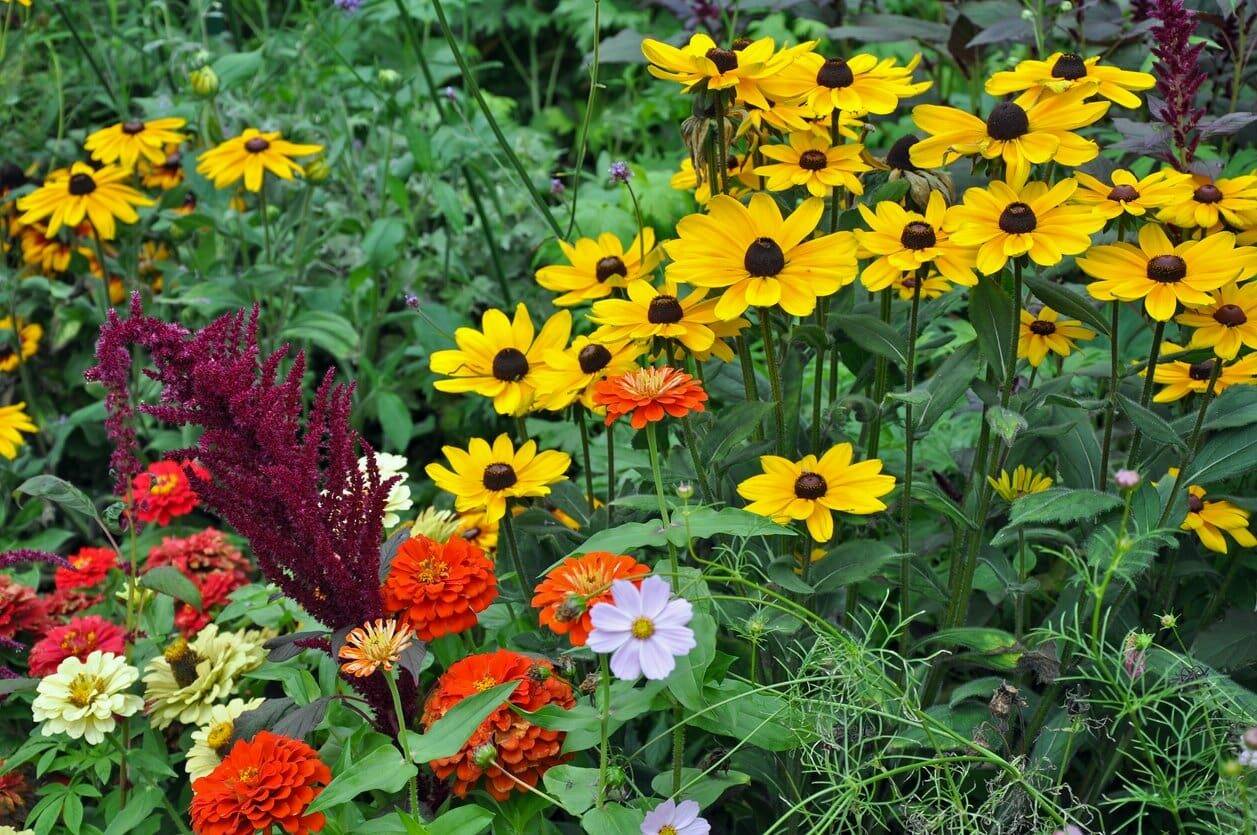
8. Black-Eyed Susan (Rudbeckia)
Black-Eyed Susans are beloved for their golden petals and dark centers.
While July planting may produce only a modest display in cooler climates during the first year, these hardy perennials become increasingly impressive in future seasons.
Growing Zones: 4–9
Their long flowering season makes them an excellent addition to pollinator-friendly gardens.
9. Celosia
Celosia is one of the most heat-tolerant flowering annuals you can grow.
Its unique flame-shaped or feathery blooms bring bold texture and vibrant color to summer gardens.
Under warm conditions, plants generally begin blooming around 60 days after planting.
Growing Zones: 4–10
Celosia works beautifully in flower beds, containers, and fresh-cut bouquets.
Tips for Successful July Planting
Because July often brings intense heat, a little extra attention can make all the difference.
For the best results:
- Water consistently, especially during the first few weeks after planting.
- Apply mulch around plants to help conserve soil moisture and keep roots cool.
- Whenever possible, plant healthy nursery transplants instead of starting from seed for faster blooms.
- Feed established plants with a balanced fertilizer to encourage continuous flowering.
- Water early in the morning to reduce evaporation and help plants cope with afternoon heat.
- Remove faded flowers regularly to encourage new blooms throughout the season.
Final Thoughts
July isn’t the end of the gardening season—it’s simply the beginning of a different one.
By choosing flowers that mature quickly and thrive in warm weather, you can enjoy a spectacular display of color long after many spring gardens begin to fade.
Whether you prefer cheerful marigolds, elegant cosmos, vibrant zinnias, or dramatic celosia, there’s still plenty of time to create a garden bursting with blooms before autumn arrives.
So don’t let the calendar discourage you. Grab a few seeds or young plants, head outside, and give your garden one more beautiful burst of summer color.