
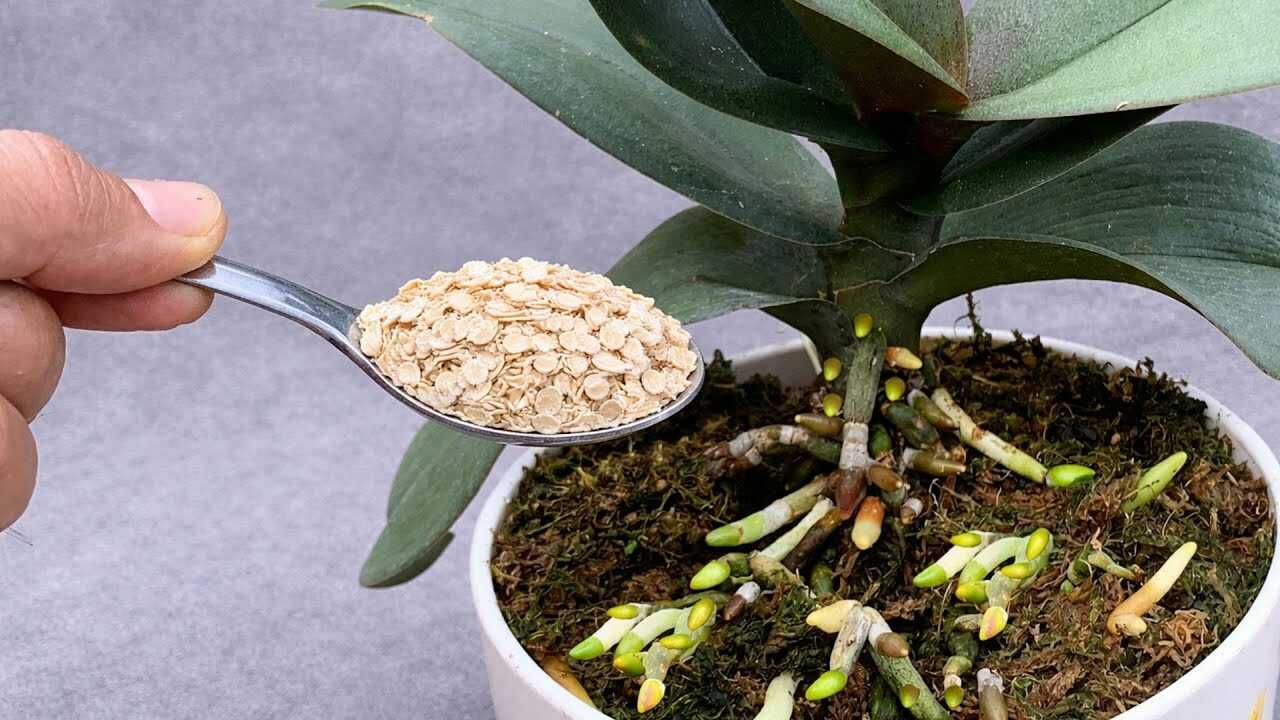
Just One Teaspoon! Watch the Orchid Grow 1001 Roots and Bloom Beautifully
Just One Teaspoon! Watch the Orchid Grow 1001 Roots and Bloom Beautifully
The Magic of Orchids
Orchids are truly stunning plants, enchanting with their delicate petals and vibrant colors. With just **one teaspoon** of care, you can nurture these beauties to thrive and bloom like never before. This guide will help you learn how to cultivate orchids successfully while avoiding common pitfalls.
Step-by-Step Growing Guide
1. Choosing Your Orchid
Start by selecting the right type of **orchid** for your home. The **Phalaenopsis**, also known as the moth orchid, is an excellent choice for beginners due to its low maintenance and long-lasting blooms. Ensure you choose a healthy plant with vibrant leaves and no visible pests.
2. Potting Your Orchid
Use a well-draining **orchid potting mix** that allows for good airflow around the roots. Fill your pot with bark chips, perlite, or sphagnum moss, creating a solid base for your orchid. Remember, orchids prefer to be slightly **root-bound**, so select a pot that matches their size.
3. Watering Techniques
Watering is crucial for your orchid’s health. Use a **watering can** with a narrow spout for precision. Make sure to water once the potting mix has dried out. Soak the roots thoroughly, but avoid letting them sit in water, as this can lead to root rot. **One teaspoon** of moisture should be enough to keep the balance!
4. Light and Temperature Conditions
Orchids thrive in bright, indirect sunlight. A **south-facing window** is often ideal. Additionally, keep your orchids in a room where the temperature remains between **65°F to 75°F** during the day, and slightly cooler at night.
5. Fertilizing Your Orchid
Use a balanced orchid fertilizer every **two weeks** during the growing season (spring and summer). Just one teaspoon can work wonders! Reduce fertilization in the fall and winter when growth slows down.
Practical Tips for Success
- Humidity is Key: Maintain a humidity level of around 50% to 70% for optimal growth. A humidity tray or humidifier can help.
- Repotting: Repot your orchid every 1-2 years to refresh the potting mix and check root health.
- Pest Control: Regularly inspect for common pests like aphids and mealybugs, and treat them promptly with organic solutions.
Common Mistakes to Avoid
- Overwatering: This is the most common mistake. Remember, less is more when it comes to watering!
- Insufficient Light: Don’t place your orchid in too dark a spot—light is vital for blooming.
- Ignoring Signs: Pay attention to your orchid’s leaves and roots. Yellow leaves often indicate overwatering, while wrinkled leaves may suggest not enough water.
A Flourishing Conclusion
With just **one teaspoon** of care, you can watch your orchid grow **1001 roots** and bloom beautifully. Remember to practice patience and enjoy the journey of nurturing these lovely plants. Are you ready to start your orchid adventure? Grab your supplies, and let’s make your home flourish with gorgeous blooms!


