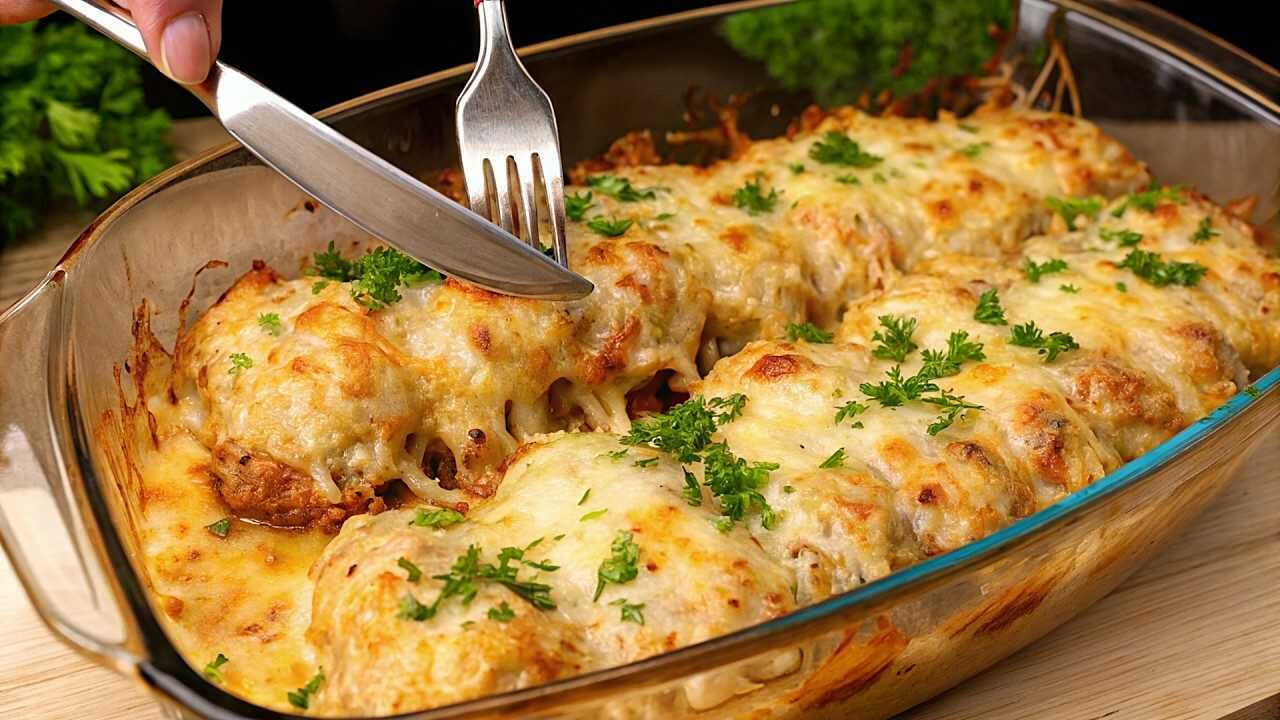
🍽️ My Grandkids Love This Weekend Dinner – Ground Meat, Potatoes and Mozzarella Bake
# 🍽️ My Grandkids Love This Weekend Dinner – Ground Meat, Potatoes and Mozzarella Bake
This hearty family bake combines seasoned ground meat with onion, carrot, red pepper and garlic, then cooks it together with potatoes before finishing everything with melted mozzarella. A fresh mushroom, lettuce and corn salad provides contrast to the rich baked dish.
## Table of Contents
– Ingredients
– Step-by-step method
– Why the recipe works
– Texture and moisture control
– Ingredient substitutions
– Serving ideas
– Make-ahead tips
– Storage and reheating
– Common mistakes
– Frequently asked questions
– Final thoughts
## Ingredients
– 1 kg ground meat
– 1 egg
– 2 tbsp flour
– 1 onion
– 1 carrot
– fresh parsley
– 2 garlic cloves
– 3–4 potatoes
– 1 sweet red pepper
– 120 g mozzarella
– vegetable oil
– olive oil
– a little butter
– salt
– freshly ground black pepper
– dried garlic
– dried herbs
– 1 tsp smoked paprika
– about 1 tsp ground coriander
– For the salad: 100 g mushrooms
– lettuce leaves
– red onion
– canned corn
– fresh dill
– 2 garlic cloves
– olive oil
– salt and black pepper
## Step-by-Step Method
1. Finely chop the onion and grate the carrot. Cut the red pepper into small dice and chop the parsley.
2. Mix the ground meat with egg, flour, onion, carrot, pepper, garlic, parsley and the seasonings. Work the mixture for a few minutes until evenly combined.
3. Shape large, slightly flattened portions of meat. Keep them similar in size so they cook evenly.
4. Peel the potatoes and slice them thinly or cut them into small pieces. Season with salt, pepper, dried garlic, smoked paprika and a small amount of olive oil.
5. Grease a large baking dish lightly. Spread the potatoes and some vegetables across the bottom, then arrange the meat portions over them without packing everything too tightly.
6. Bake at about 190°C for roughly 30–40 minutes, adjusting for the thickness of the meat and potatoes.
7. Add 120 g mozzarella over the meat when the dish is nearly cooked, then return to the oven for another 10–15 minutes until melted and lightly browned.
8. For the salad, sauté sliced mushrooms briefly, cool them, and combine with lettuce, red onion, corn and dill. Dress with olive oil, garlic, salt and pepper.
9. Let the bake rest for about 5 minutes before serving.
## The Most Important Technique
Thin potato slices are important because thick pieces may still be firm when the meat is already cooked. If your potatoes are slow-cooking, parboil them for 5–7 minutes first.
The main cooking method here is **oven baking**. Work at a steady pace and avoid making several major changes to the recipe at the same time. If the mixture looks wetter than expected, pause and correct the moisture before adding large quantities of flour or other dry ingredients.
## Why This Recipe Works
The success of this recipe depends less on complicated technique and more on controlling moisture, temperature and timing. Vegetables such as zucchini, mushrooms and apples can release a surprising amount of liquid. Oats, flour, breadcrumbs, eggs and cheese can absorb or bind some of that moisture, but they work best when the ingredients are prepared correctly first.
Another important point is heat. Very high heat can brown the outside before the center is ready, while very low heat can make fried food absorb excess oil or baked food dry out before it develops color. Moderate, steady heat gives the most reliable result.
Finally, allow the finished food to rest when appropriate. Baked loaves, casseroles and thick patties continue to set for a few minutes after cooking, which improves slicing and serving.
## Ingredient Tips and Smart Substitutions
If a recipe includes grated cheese, use a variety that melts well and is not excessively wet. Gouda, cheddar, Edam and low-moisture mozzarella are dependable choices for savory recipes. Parmesan adds a stronger salty flavor and can be used in smaller amounts.
For yogurt-based sauces, Greek yogurt creates the thickest texture. Regular plain yogurt also works but may make the sauce looser. Sour cream gives a richer result.
When oats are used as a binder, finer oats hydrate faster than large old-fashioned flakes. If your oats are coarse, let the mixture rest a little longer before deciding whether more flour or another binder is necessary.
Fresh herbs can usually be changed according to what you have. Dill, parsley, chives and basil all work well with zucchini. In savory potato or meat dishes, parsley and chives are especially versatile.
## Texture: What You Should Look For
Do not judge doneness only by the clock. Look at the food itself. Fried patties or breaded zucchini should have a firm, golden surface before you turn them. Baked savory mixtures should be set in the center rather than wet or loose. Cakes and loaves should no longer have raw batter in the middle.
For vegetable patties, the ideal texture is crisp or browned outside and tender inside. If they are mushy, the mixture probably contained too much water. If they are dry and dense, there may have been too much flour or too much cooking time.
For cakes made with fruit, vegetables or oats, a moist crumb is usually desirable. Overbaking removes the moisture those ingredients are meant to provide.
## How to Serve It
The best side dish is usually something that contrasts with the main recipe. Rich, cheesy or fried dishes benefit from a fresh salad, cucumber, tomatoes or a yogurt-based sauce. Sweet oat cakes pair well with coffee, tea, plain yogurt or fresh fruit.
If you are serving a savory recipe as a full meal, add a large portion of vegetables rather than another heavy starch. If it is a snack, make smaller portions and serve the sauce separately so the crisp surface stays intact.
## Make-Ahead Advice
You can often prepare vegetables a few hours ahead, but grated zucchini should be squeezed and ideally mixed with the final ingredients close to cooking time because it continues to release water.
Sauces based on yogurt, garlic and herbs can be made ahead and chilled. They often taste better after 10–30 minutes because the flavors have time to blend.
For baked desserts, waiting until the cake has cooled before adding chocolate topping prevents the topping from becoming too thin and running off.
## Storage and Reheating
Cool leftovers completely before placing them in a covered container in the refrigerator. Savory patties, casseroles and breaded vegetables are best reheated in an oven, air fryer or dry skillet because those methods restore some of the crispness.
A microwave is faster, but it tends to soften breaded or fried surfaces. If texture matters, use the microwave only briefly and finish in a pan or oven.
Most yogurt sauces should be stored separately and served cold. Do not repeatedly heat and cool dairy sauces.
## Common Mistakes to Avoid
### Adding More Flour Before Removing Water
If zucchini is watery, the first solution is squeezing it, not adding a large amount of flour. Too much flour can hide the vegetable flavor and make the result dense.
### Crowding the Pan
Food placed too tightly together lowers the pan temperature. Instead of browning, it steams. Work in batches when necessary.
### Turning Too Early
A patty or breaded piece releases more easily once the first side has formed a proper crust. Trying to turn it too soon can tear the coating or break the patty.
### Using Excessively High Heat
Fast browning is not the same as even cooking. Moderate heat gives the center time to cook.
### Ignoring Carryover Cooking
Baked dishes and cakes continue to set after they leave the oven. Cutting immediately can make them seem undercooked or cause them to fall apart.
### Overmixing Batters
For cakes and quick breads, mix only until the ingredients are combined. Excessive mixing after flour is added can make the crumb tougher.
## Frequently Asked Questions
### Can I reduce the cheese?
Usually yes. The finished texture may be slightly less rich or cohesive, but most savory recipes will still work.
### Can I bake a recipe that is normally fried?
Often yes. Brush or spray the surface lightly with oil and bake until golden, turning once if appropriate. The result will be a little different from pan-frying but still enjoyable.
### What if my mixture is too wet?
First remove more water from the vegetables. Then let oats rest if they are present. Add flour, breadcrumbs or starch only in small increments.
### What if the mixture is too dry?
Add a little of a liquid already used in the recipe—egg, milk, yogurt or another appropriate ingredient—rather than adding a large amount at once.
### Can I change the herbs?
Yes. Fresh herbs are flexible. Use dill, parsley, chives, basil or oregano according to the main ingredients.
### How do I know fried patties are done?
They should be browned on both sides, firm enough to lift with a spatula and hot through the center.
### Can I freeze leftovers?
Some baked patties and cakes freeze well, but crisp breaded zucchini is best eaten fresh because the coating softens after freezing and thawing.
### Why did my coating fall off?
The zucchini may have been too wet, or the flour–egg–breadcrumb layers may not have been pressed on firmly enough.
## Final Thoughts
Simple recipes become reliable when you pay attention to the details that affect texture. Moisture should be removed before binding ingredients are added, heat should be controlled rather than rushed, and sauces or toppings should be added at the stage when they help rather than hurt the texture.
Once those basics are right, the recipe becomes easy to repeat and easy to customize. That is what makes this kind of everyday cooking so useful: the ingredients are familiar, the technique is straightforward, and small changes can create a completely different meal the next time you make it.