2-Ingredient Baked Yogurt Cake 🍰🥛 No Flour or Starch!
# 2-Ingredient Baked Yogurt Cake 🍰🥛 No Flour or Starch!
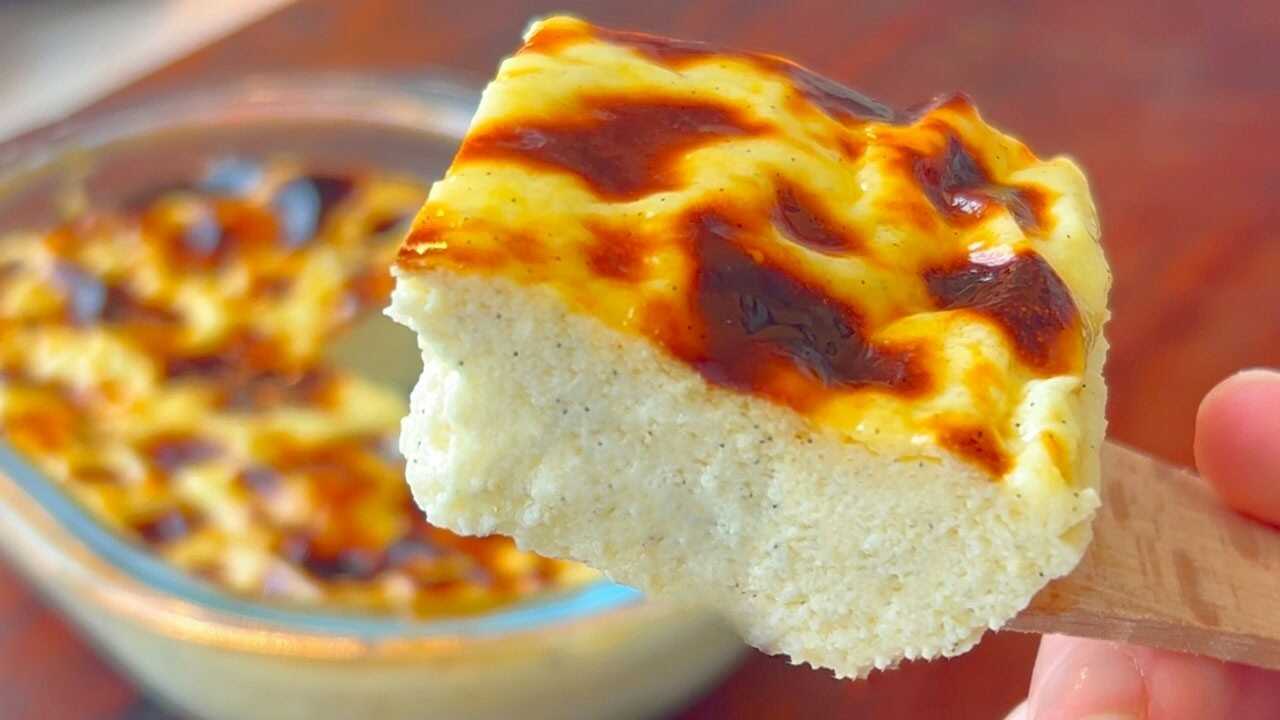
The source uses 300 g sweetened vanilla yogurt and 2 large eggs. It is a two-ingredient baked yogurt cake with no flour or starch. Another yogurt flavor can be used. The finished texture is described as a cross between cake and flan: firm enough to slice, but much creamier than a traditional sponge cake. The source also shows an air-fryer method.
## Technique 1
Read the full recipe before starting and prepare every ingredient and piece of equipment. Exact quantities, temperatures, and times from the source should remain the reference. Preheating the oven, air fryer, or waffle iron when required makes the cooking more predictable. A simple recipe can still fail when ingredients are added in the wrong order or when the appliance is not ready, so a few minutes of organization at the beginning usually saves time later.
## Technique 2
Eggs provide structure in many flourless recipes because their proteins set as they cook. Yogurt adds moisture and creaminess, while cheese changes both texture and saltiness. A thick yogurt behaves differently from a very fluid one, and wet mozzarella can release extra liquid. Use the type of ingredient described by the source whenever possible. If cheese is especially wet, draining it briefly can help a savory bake hold together more cleanly.
## Technique 3
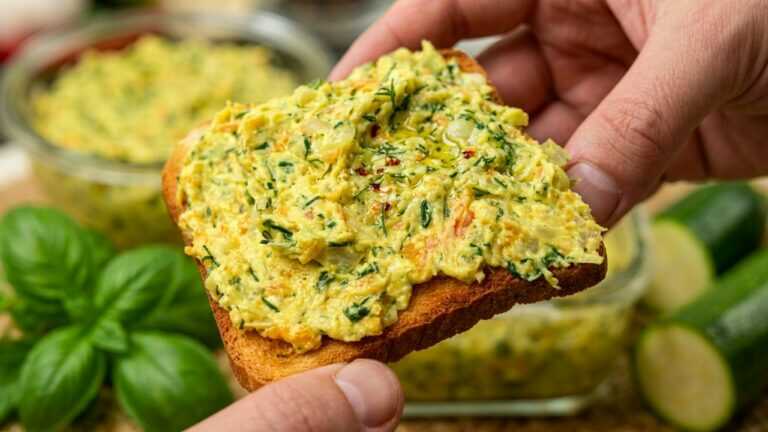
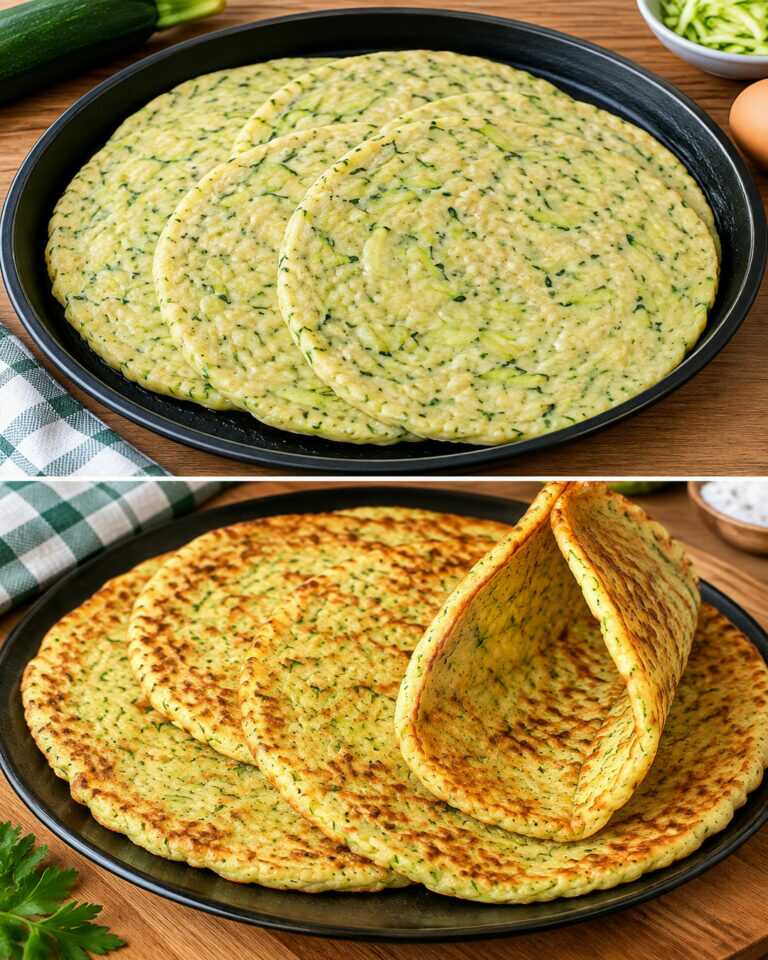
Zucchini naturally contains a large amount of water. When a recipe asks for salting, resting, squeezing, or draining, that step helps prevent a watery center. Cut vegetables to a similar size so they cook evenly. In a recipe with tuna, onion, capers, herbs, eggs, and cheese, distribute everything throughout the mixture instead of leaving heavy ingredients in one area. Good moisture control is often more important than adding extra dry ingredients.
## Technique 4
A flourless recipe is not supposed to look exactly like a conventional flour batter. A two-ingredient yogurt cake can set like a creamy custard, rice-paper waffles use several thin layers as a shell, and a zucchini bake may rely on eggs, cheese, and chickpea flour. Do not automatically add wheat flour because the mixture looks unusual. The structure is created by the ingredients selected in the original recipe and by the way heat is applied.
## Technique 5
Mix only until the ingredients are evenly combined unless the method specifically calls for whipping. Overmixing can make a simple preparation unnecessarily dense or break delicate ingredients. When adding cheese, vegetables, or other pieces, fold them in gently. If the recipe includes baking powder or another leavening ingredient, distribute it evenly so one section does not rise differently from another. Consistency is more useful than aggressive mixing.
## Technique 6
Pan size and appliance choice affect the result. A deep small pan needs more time in the center than a wide shallow pan. In an air fryer, leave enough space for hot air to circulate. In a waffle iron, avoid overfilling because the filling can leak and prevent the plates from closing properly. Follow the temperature from the source instead of increasing it to save time, because the outside can brown before the middle is ready.
## Technique 7
Resting after cooking is part of the recipe. Hot egg-based cakes, casseroles, and vegetable bakes are often fragile immediately after cooking. A short rest lets steam escape and allows the structure to become firmer. Some creamy desserts are easier to slice after chilling, while savory waffles are usually best served soon after cooking so the exterior stays crisp. The intended texture should guide when the dish is served.
## Technique 8
Seasoning should support the main ingredients rather than hide them. Parmesan, tuna, smoked chicken, capers, and melting cheese can already be salty, so additional salt should be used carefully. Oregano, basil, pepper, garlic, or mustard can add flavor without changing the identity of the recipe. In sweet recipes, flavored yogurt may already contain sugar and vanilla, so extra sweetener should only be added when the original recipe calls for it.
## Technique 9
Store recipes containing eggs, dairy, tuna, chicken, or soft cheese in the refrigerator after they have cooled. Keep them covered and avoid leaving them at room temperature for long periods. Reheat savory dishes until the center is properly hot. An oven or air fryer can restore crispness better than a microwave for waffles or baked vegetables. Chilled creamy desserts can normally be served directly from the refrigerator once fully set.
## Technique 10
Common mistakes include changing several ingredients at once, ignoring zucchini moisture, using a pan that is much larger or smaller than the one shown, skipping resting time, or cooking far beyond the stated range. In flourless recipes, adding flour automatically can destroy the texture that makes the dish distinctive. The most reliable method is to respect the original formula, observe the texture near the end, and make only small adjustments when truly necessary.