
Grandma always smoked with coffee like that. Flies stayed well away from us
Grandma always smoked with coffee like that. Flies stayed well away from us
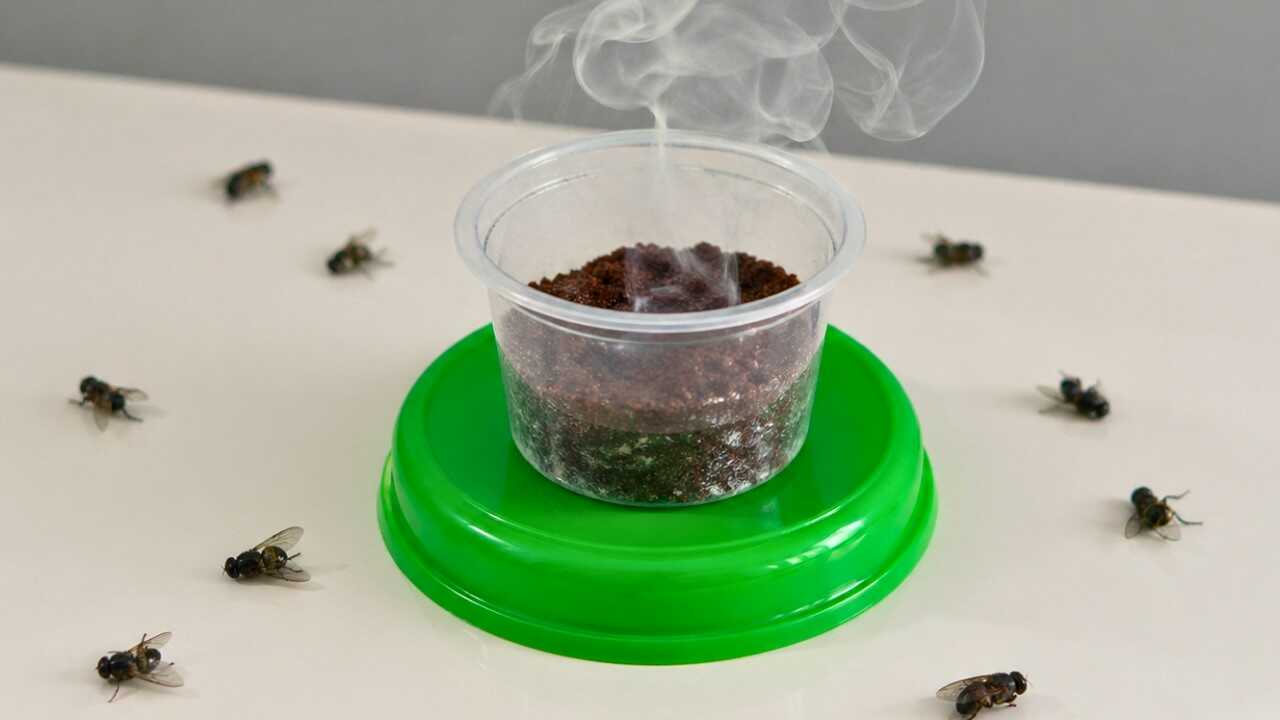
The photo shows a small clear cup filled with dark brown, granular used coffee grounds that are smoldering and producing white smoke while several flies sit nearby. This old-fashioned trick—smoking dried coffee grounds—relies on the aromatic oils and compounds in coffee and the smoke itself to make an area less attractive to flying insects. Below is a practical, safe, and evidence-grounded way to use that same idea in your garden or around patios.
Why smoked coffee grounds can help repel flies
Used coffee grounds contain volatile aromatic compounds (oils and phenolics) and caffeine, which are biologically active. When grounds are dried and smoldered they release a blend of volatile compounds in smoke that can mask plant and human odors and irritate or deter some flying insects. In addition, the smoke acts similarly to other fumigants used historically to repel pests: it interferes with insect sensory cues and movement. This is a complementary, traditional method—not a standalone pest-control cure—so always combine it with basic hygiene and garden care.
Step-by-step: safe method to smoke coffee grounds for fly control
- Collect and dry the grounds: Use used coffee grounds. Spread 1–2 cups on a baking tray or newspaper in sun or a warm dry room until brittle (24–48 hours). Dry grounds burn/smolder more cleanly than wet ones.
- Choose a proper container: Never burn grounds in plastic. Use a small metal tin, ceramic dish, or heatproof planter tray on a non-flammable surface outdoors.
- Measure the dose: For a single burn, use 1–2 tablespoons (10–20 g) of thoroughly dried grounds placed in the container.
- Light safely: Light a match or lighter at the surface so the grounds begin to smolder. You do not need an open flame—aim for steady smoldering smoke rather than large flames.
- Placement and timing: Put the container on a stable, fireproof surface outdoors, away from overhanging foliage, fabrics, and children or pets.
- Burn duration: Allow them to smolder for 20–30 minutes, then fully extinguish by pressing into soil or covering the container to cut oxygen, ensuring no embers remain.
- Repeat as a routine: Use as described below for ongoing control through peak fly season.
Precise dose, frequency and seasonal guidance
For outdoor seating areas and patio pots during high-fly months (spring–summer):
- Use 1–2 tablespoons of dried grounds per burn, placed in a metal/ceramic container.
- Smolder for 20–30 minutes per session.
- Repeat 3 times per week for at least 4–6 weeks during peak season. Expect a noticeable reduction in fly visits in the immediate area while smoke is present and a sustained benefit with regular repetition over several weeks.
- For entryways or small enclosed porches, use dry grounds in breathable sachets (1/4 cup per sachet) and replace every 2 weeks—this provides passive aroma-based deterrence without burning.
Practical tips from experience
- Use only dried grounds: Wet or fermenting grounds can attract fruit flies and produce unpleasant odors.
- Time burns for cooler parts of the day: Early evening or dusk gives smoke a chance to linger when flies are most active.
- Combine with good hygiene: Remove exposed food, pet waste, and overripe fruit—smoking helps but won’t solve attractants that remain.
- Test on a small area first: Some neighbors or plants may be sensitive to smoke; start with one or two burns and observe.
- Compost responsibly: Add used grounds to compost after they’ve been dried and used; they are useful as a green amendment when mixed and composted properly.
Common mistakes to avoid (real botanical and safety errors)
- Do not burn grounds in plastic cups or containers (the image shows a plastic cup—do not copy that for burning). Plastic melts and emits toxic fumes.
- Avoid using large quantities of fresh grounds directly on soil or as a thick mulch layer—fresh coffee grounds can temporarily immobilize nitrogen in the soil and may harm sensitive seedlings if applied in bulk.
- Do not rely solely on smoked grounds if you have a major infestation; heavy fly problems often indicate sanitation or waste issues that must be solved.
- Never leave smoldering material unattended—smoldering embers can reignite nearby debris.
Conclusion — try a safe, seasonal ritual
Smoking dried coffee grounds is a low-cost, traditional trick that can help deter flies around patios and plant areas when used correctly. It works by releasing aromatic volatiles and smoke that mask scents and irritate insect senses. Use the precise doses and frequency above—1–2 tablespoons per burn, 20–30 minutes, three times weekly for 4–6 weeks during peak season—and always burn only in metal or ceramic containers outdoors. Combine this with good garden hygiene and drainage for the best results.
Give it a try this season and keep a short log of sessions and fly counts for several weeks—then adjust frequency as needed. Share your results or questions and keep enjoying your outdoor space with fewer buzzing interruptions.