How to Revive a Dying Orchid: 3 Ways to Bring It Back to Life
How to Revive a Dying Orchid: 3 Ways to Bring It Back to Life
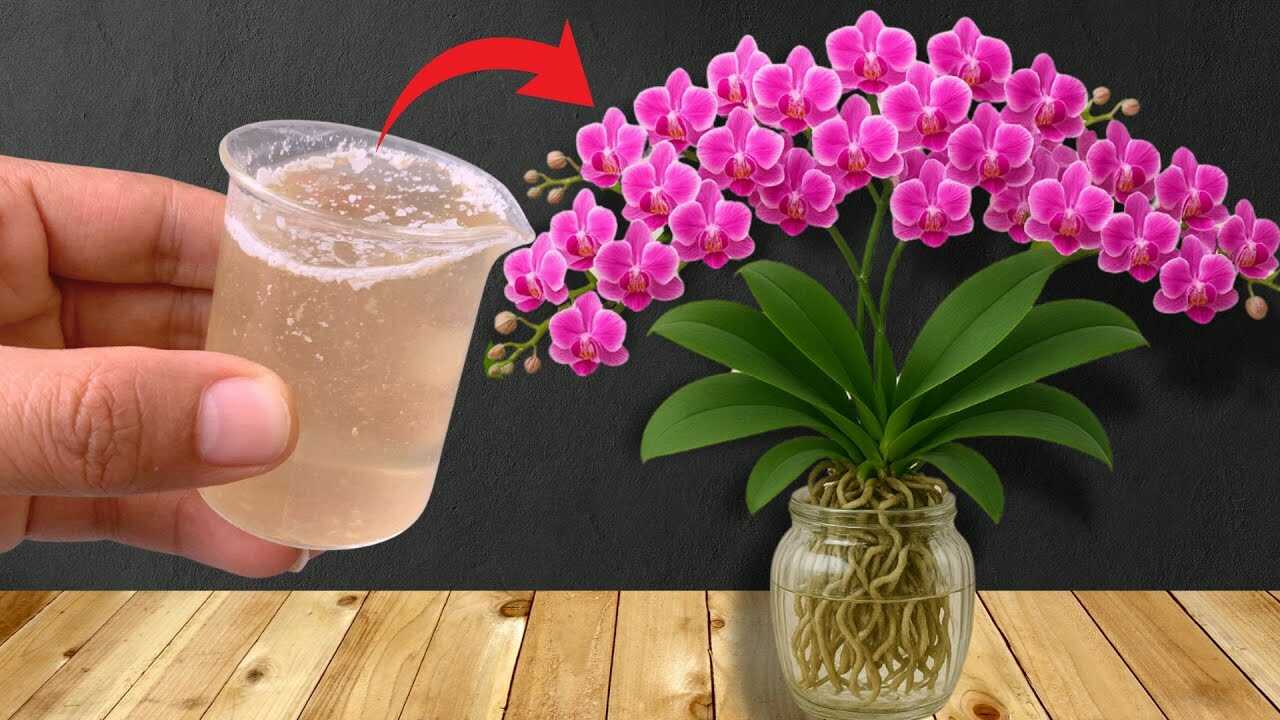
Introduction — the clear gel in the cup
In the photo you can see a small cup of translucent, slightly viscous gel — this is clearly aloe vera gel. Aloe is frequently used in home horticulture because it contains natural **plant hormones** (auxins and gibberellins) and **antiseptic compounds** that can support root formation and reduce surface pathogens. Below are three practical, evidence-based ways to use that exact gel to help revive a struggling orchid. Remember: these techniques complement basic care (light, drainage, correct watering and fertilizing) — they are not miracle cures.
Quick overview of the 3 methods
- Method 1: Aloe root soak to disinfect and stimulate new root growth.
- Method 2: Mild aloe foliar spray to reduce stress and surface microbes.
- Method 3: Aloe as a natural rooting gel for cuttings, keikis or trimmed roots.
Method 1 — Aloe root soak (best for rotten or mushy roots)
When an orchid’s roots are soft, brown or slimy, a properly done root soak can clean and stimulate recovery.
- What you need: Pure aloe vera gel (no perfumes or additives), distilled/rain water, clean scissors or pruning shears, fresh orchid bark mix, a container for soaking.
- Prepare the solution: Mix 1 tablespoon (15 ml) pure aloe gel with 1 cup (240 ml) distilled water. Stir until it disperses — a little cloudiness is normal.
- Step-by-step:
- Gently remove the orchid from its pot and shake away old medium.
- Trim away all clearly dead roots (soft, black or mushy) with sterile scissors.
- Soak the remaining healthy roots in the aloe solution for 20–30 minutes to clean and coat the root tips.
- Allow roots to air briefly (10–20 minutes) so the surface is no longer dripping, then repot into a fresh, well-draining orchid bark mix in a pot with good drainage and airflow.
- Frequency & timing: Do this treatment once at repotting. If roots are still struggling, repeat a single soak 3–4 weeks later. Expect measurable improvement in root firmness and leaf turgor in 4–8 weeks.
- Seasonal note: Perform root work in spring or early summer if possible — orchids root best during active growth. In winter, limit interventions to one gentle treatment unless signs of active growth appear.
Method 2 — Aloe foliar spray (stress reduction and surface care)
For orchids with limp leaves, shriveling or light surface fungal issues, a mild aloe spray can help calm tissue and reduce surface microbes.
- What you need: Pure aloe gel, distilled water, fine mister bottle.
- Prepare the spray: Dissolve 1 teaspoon (5 ml) pure aloe gel into 1 liter of distilled water. Shake well between uses.
- How to apply: Mist leaves and exposed roots lightly once, avoiding saturation of the crown. Do this in the morning so leaves dry during the day.
- Frequency: Spray every 7–14 days during the growing season (spring–summer). Reduce to once every 3–4 weeks in cooler, low-growth months. Use for a maximum of 6–8 consecutive weeks and then reassess.
- Why it helps: The aloe mixture is gentle, helps maintain leaf turgor, and its antiseptic compounds can reduce surface microbes — but it will not cure systemic infections.
Method 3 — Aloe as a natural rooting gel for keikis, cuttings or trimmed spikes
When you want to encourage root formation on a keiki or after trimming back a stem, pure aloe can be used like a soft rooting gel.
- What you need: Fresh, thick aloe gel (or pure commercial gel without additives), sphagnum moss or fine bark, clean knife.
- Step-by-step:
- For a keiki or cutting, apply a thin layer of pure aloe gel to the cut base or root primordia.
- Set the keiki on slightly damp sphagnum moss or in a mix designed for propagation; maintain high humidity (cover with a clear dome or place in a humid spot) and bright, indirect light.
- Check weekly. Keep the medium just moist — avoid waterlogged conditions that cause rot.
- Frequency: Apply aloe once at the time of cutting/keiki placement. Reapply a very small dot of fresh gel only if the base appears dry and rooting has not started after 6–8 weeks.
- Expected timeline: Root initials may appear in 4–12 weeks depending on species and environment.
Practical tips from experience
- Always use pure aloe: Commercial gels with alcohol, fragrances or stabilizers can harm delicate orchid tissues. Use fresh leaf gel or a product labeled 100% aloe vera.
- Water quality matters: Use distilled or rain water for mixes to avoid mineral build-up that stresses orchids.
- Air and drainage: Aloe helps soft tissues, but orchids still need superb air circulation and a free-draining medium. Glass jars with roots submerged (as in the photo) can hold moisture too long — ensure periodic drying and oxygen for the roots.
- Less is more: Thick, undiluted aloe left pooled around roots can trap moisture and encourage rot. Use the precise dilutions above.
- Combine with correct care: After treatment, give the orchid bright, indirect light, a stable temperature and a conservative watering schedule to support recovery.
Common mistakes to avoid
- Applying undiluted aloe gel directly into the pot and leaving it — this can create a soggy microenvironment and fuel rot.
- Over-pruning or overwatering immediately after treatment — aggressive watering undoes the benefits of root stimulation.
- Using aloe products with additives — preservatives and fragrances can damage roots and leaves.
- Expecting rapid bloom recovery — root and leaf recovery takes several weeks to months, and flowers generally follow healthy growth cycles.
Conclusion — start small, expect steady results
The translucent cup of aloe vera gel in the image is a useful, low-risk tool to help revive a struggling orchid when used correctly. Use a single root soak at repotting, a mild foliar spray during active growth, or a thin application as a natural rooting gel for cuttings and keikis. Be precise with the dilutions and schedules above, prioritize proper light, drainage and watering, and expect visible improvement over 4–8 weeks. Try one of these aloe-based methods this season and monitor progress — share your results or ask for troubleshooting if recovery stalls.