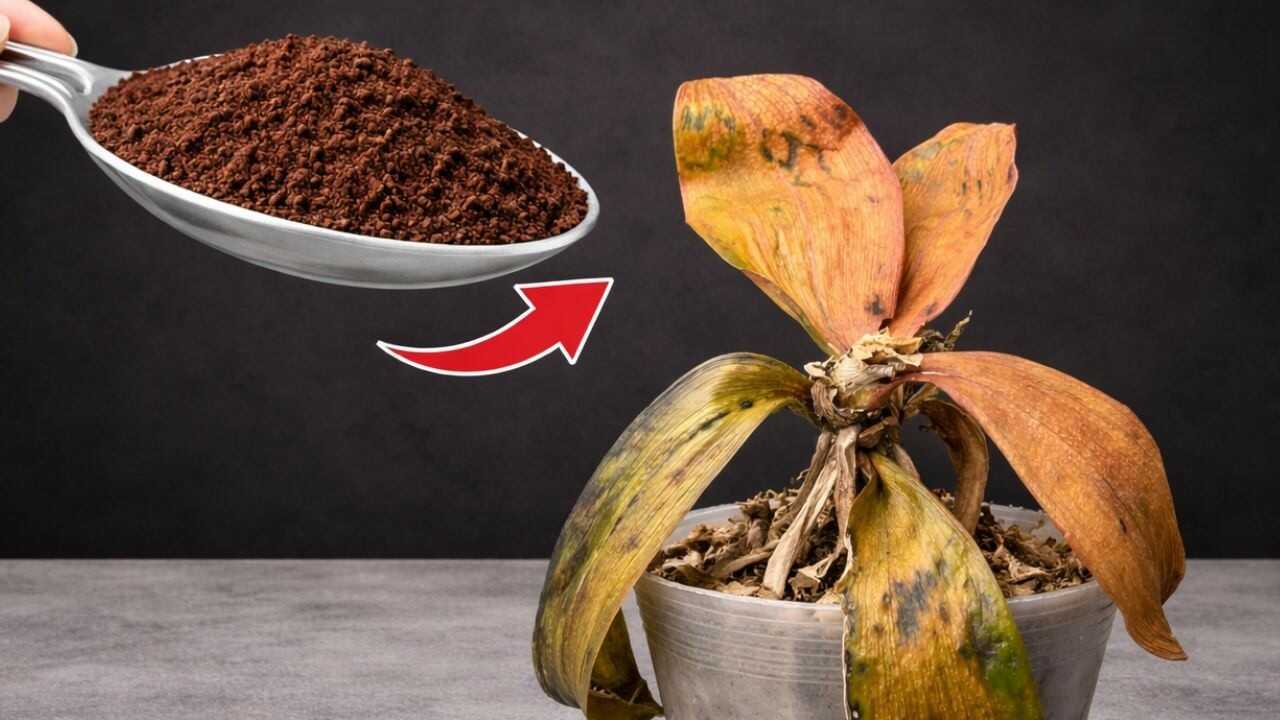
How to Revive a Dying Orchid in 30 Days (Simple Care Method)
How to Revive a Dying Orchid in 30 Days (Simple Care Method)
Introduction
Orchids are stunning plants, but they can sometimes seem to lose their vitality. If your orchid is looking more like a shadow of its former self, don’t despair! With the right care, you can **revive a dying orchid** in just 30 days. This guide outlines a **simple care method** that will help your orchid blossom beautifully once again.
Step-by-Step Revival Process
1. Assess the Damage
Before you start any care regimen, take a good look at your orchid. Check the roots, leaves, and flowers. Yellowing leaves and brown roots are common signs of stress. Determining the issues will guide you in your revival approach.
2. Repotting Time
If the roots are rotting, it’s time to **repot your orchid**. Choose a pot with good drainage and a potting mix formulated for orchids. Carefully remove the plant and trim away any mushy roots. Place it in fresh mix, ensuring the roots have adequate air circulation.
3. Watering Wisely
**Watering** is crucial. Overwatering is a leading cause of orchid demise. Water once a week, allowing the top inch of soil to dry out between waterings. Remember, orchids love humidity. A humidity tray or misting can help create the perfect environment.
4. Sunlight is Essential
Orchids thrive in bright, indirect sunlight. Place your plant near a window, but avoid direct sun which can scorch the leaves. If natural light is lacking, consider using a grow light to provide the energy it needs to flourish.
5. Fertilization for Growth
After repotting, wait a few weeks before you start **fertilizing**. Use a balanced orchid fertilizer during the growing season. Dilute it to half strength and feed your orchid every 2-4 weeks. This will encourage new growth and blooms.
Practical Tips from Experience
- Consistency is Key: Stick to a care schedule, and your orchid will respond well.
- Monitor Temperature: Orchids prefer temperatures between 65°F to 75°F (18°C to 24°C) during the day and slightly cooler at night.
- Keep It Clean: Dust can accumulate on leaves, blocking sunlight. Gently wipe them with a damp cloth regularly.
Common Mistakes to Avoid
- Overwatering: This can lead to root rot and is the most common mistake made.
- Neglecting Humidity: Low humidity levels can stress orchids, so consider using a humidifier or pebble tray.
- Ignoring Pests: Keep an eye out for pests like mealybugs or spider mites, which can harm your plant.
Conclusion
Reviving a dying orchid is entirely possible with patience and care. Following these steps can lead to a vibrant, healthy orchid within 30 days. So, gather your tools, give your orchid the attention it deserves, and watch it flourish. Remember, every plant is unique, so pay attention to its specific needs. **Start your orchid revival journey today!**