How to Save an Orchid with No Leaves (Step-by-Step Rescue Guide)
How to Save an Orchid with No Leaves (Step-by-Step Rescue Guide)
Understanding the Situation
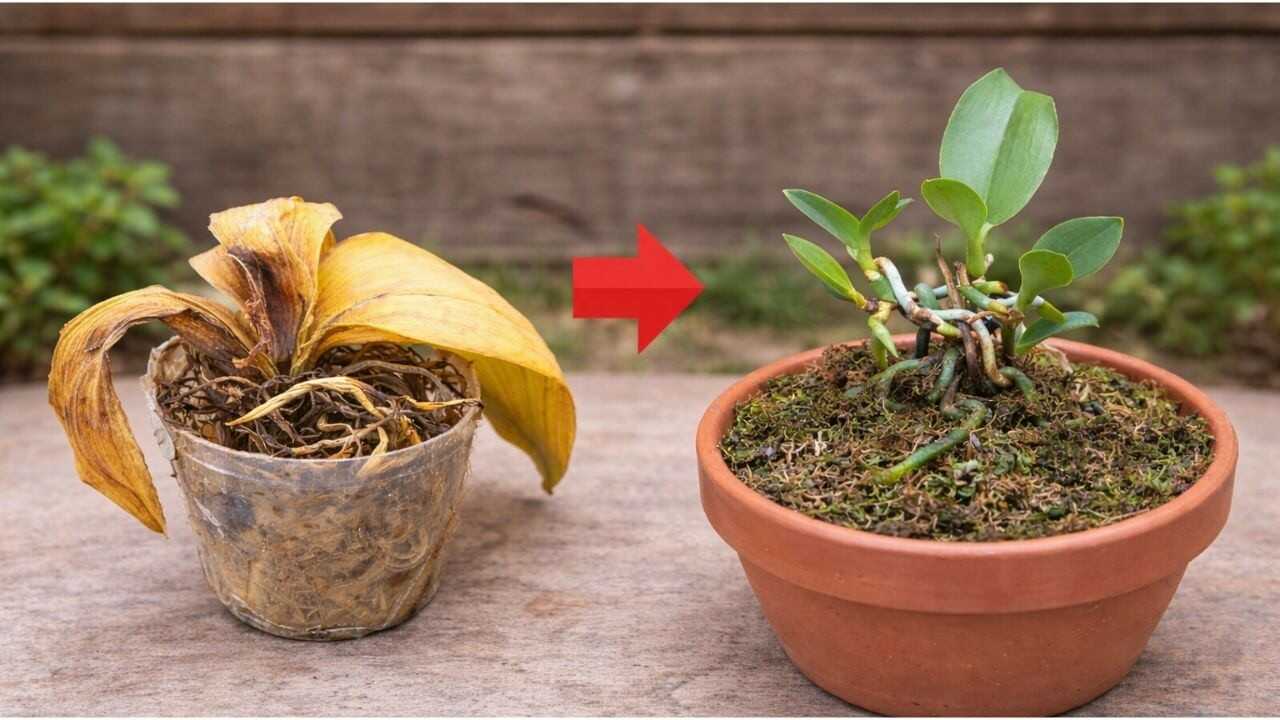
When your beautiful orchid loses all its leaves, it can be a heartbreaking sight. However, don’t lose hope! **Orchids are resilient plants**, and with the right care, you can nurse them back to health. This guide will provide you with effective steps to save your orchid and bring it back to life.
Step-by-Step Rescue Guide
Step 1: Assess the Health of the Orchid
Start by examining the roots of your orchid. Gently remove the plant from its pot and inspect the roots closely. **Healthy roots are firm and white or green**, while rotten roots will appear brown and mushy. If you find any rot, it’s essential to trim these away using sterilized scissors.
Step 2: Repot the Orchid
Choose a pot with good drainage and fill it with fresh orchid mix. Place the orchid in the new pot and gently pack the medium around the roots. Ensure the roots are secure but not tightly packed, as they need air circulation. This step is crucial for recovery and regeneration.
Step 3: Adjust the Care Routine
- Watering: Water the orchid only when the growing medium feels dry. Overwatering can be a common mistake, especially with orchids.
- Lighting: Place the orchid in a location with bright, indirect light. Direct sunlight can scorch the roots and worsen the situation.
- Humidity: Orchids thrive in humidity. Consider using a humidity tray or misting the plant regularly to maintain adequate moisture levels.
Step 4: Fertilize the Orchid
After a few weeks, start using a diluted orchid fertilizer to help stimulate growth. Follow the instructions carefully, as **too much fertilizer can harm the plant.** A balanced fertilizer designed for orchids is the best choice.
Practical Tips from Experience
Be patient! Recovery can take time, and it’s essential to give your orchid the care it needs. Observe your plant regularly and adjust your care as necessary. Remember, **every orchid is different**, and what works for one may not work for another.
Common Mistakes to Avoid
- Overwatering: This is the leading cause of rot. Always check the medium’s moisture level before watering.
- Ignoring light conditions: Orchids can suffer if they’re exposed to too much or too little light. Ensure they receive bright, indirect light.
- Neglecting humidity: Low humidity can lead to stress. Maintain humidity levels to support growth.
Motivating Conclusion
Saving an orchid with no leaves is challenging but absolutely possible! By following these steps and providing careful attention, you can nurse your plant back to health. **Stay dedicated and positive; your efforts will pay off.** Don’t hesitate to share your progress and tips with fellow orchid enthusiasts. Happy gardening!