Just 1 Cup Instantly Revives Any Rotten Orchid This Easy Way
Just 1 Cup Instantly Revives Any Rotten Orchid This Easy Way
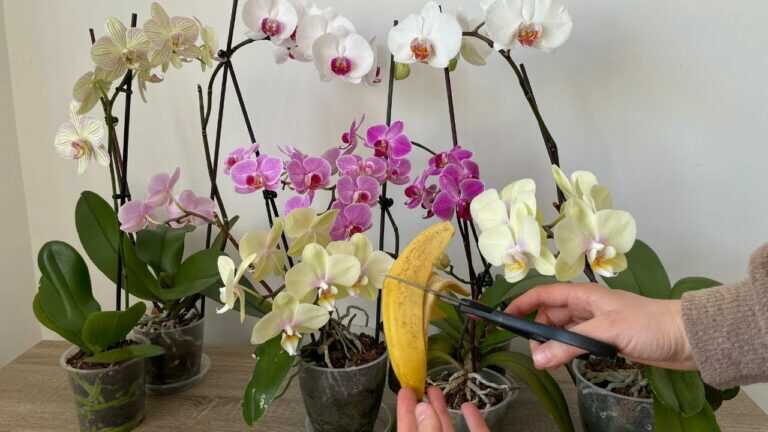
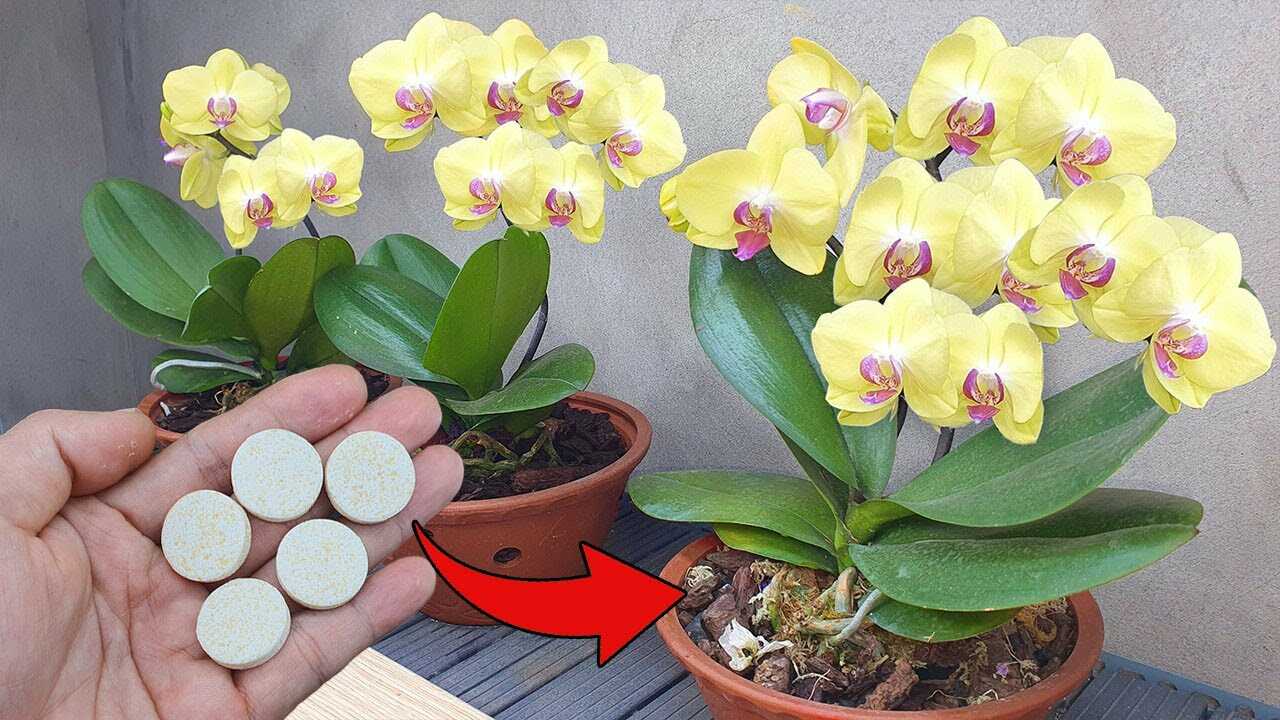
In the photo you can see a hand holding round, white, speckled **effervescent cleaning tablets** (the kind commonly sold as denture or cleaning tablets) and healthy yellow **Phalaenopsis orchids** in bark. This article shows how one tablet dissolved in a cup of water becomes a simple, safe root-cleaning soak that helps recover orchids suffering from **root rot** by using the tablet’s oxygen-releasing cleaning action as a supplement to proper care.
Why this tablet helps (simple botany)
Many effervescent denture/cleaning tablets contain compounds such as **sodium percarbonate** or similar peroxygen donors that release **hydrogen peroxide and oxygen** when dissolved. In horticulture, dilute hydrogen peroxide is a proven, short-term treatment to:
- Loosen and remove decayed organic debris from potting media and roots
- Provide a short-lived oxidative disinfection that reduces surface fungal and bacterial load
- Briefly increase oxygen availability around damaged roots, helping prevent further anaerobic decay
Important: this is a targeted cleaning tool — not a fertilizer or a substitute for light, correct watering, drainage and proper repotting.
What you’ll need (as in the picture)
- 1 **effervescent cleaning tablet** (the white, speckled round tablet shown)
- 1 cup (240 ml) of lukewarm water
- Clean container large enough to hold orchid roots for a short soak
- Sterile pruning shears or scissors, fresh orchid bark or sphagnum moss, and a clean pot with good drainage
Step-by-step: revive a rotten orchid safely
- Inspect and remove: Gently lift the orchid from its pot. Trim away obviously dead, brown, soft or black roots with sterile scissors. Healthy roots are firm and green/white.
- Prepare the tablet soak: Dissolve exactly 1 effervescent tablet in 1 cup (240 ml) of lukewarm water. Wait until fizzing stops and the solution is clear.
- Short soak: Submerge the remaining roots (not the crown/leaves) into the prepared cup for 5–10 minutes only. This time frame loosens debris and gives a mild oxidative clean without damaging living tissue.
- Rinse: After the soak, rinse roots gently with room-temperature tap water to remove loosened material and any residual tablet solution.
- Repot: Place the orchid in fresh, well-draining orchid bark or sphagnum in a clean pot with good drainage. Set the plant so roots have airspace and are not waterlogged.
- Recovery care: Keep the orchid in bright, indirect light, moderate humidity and reduce watering for the first 2–3 weeks to allow root recovery. Resume normal fertilizing only after new healthy roots appear (usually several weeks).
Dosage and frequency (precise and seasonal)
• Recovery phase (when roots are rotten): Use 1 tablet per 1 cup (240 ml) water for a root soak of 5–10 minutes. Repeat the soak once every 2 weeks for up to 8 weeks, monitoring root firmness and new root growth.
• Maintenance once healthy: Use the same preparation every 6–8 weeks as a preventive clean, or after repotting. During winter dormancy reduce to every 8–10 weeks.
Always make each application a short soak only; do not leave roots in the solution overnight or use higher concentrations.
Practical tips from experience
- Check ingredients: Use tablets that list peroxide/percarbonate or similar; avoid products that contain strong chlorine bleach or dyes.
- Work gently: Aggressive root scraping damages any remaining healthy tissue. Let the soak loosen debris before trimming.
- Improve conditions: After treatment, improve airflow, pot drainage and light rather than relying on repeated chemical treatments.
- Record progress: Photograph roots and leaves every 2 weeks to judge recovery over 4–8 weeks.
Common mistakes to avoid (real botanical pitfalls)
- Soaking for too long or using multiple tablets in the same small volume — this can damage living root tissue.
- Thinking the tablet is a cure-all — it treats surface microbes and cleans debris but will not replace repotting, correct watering or fixing drainage.
- Applying the solution to the crown or leaves — keep the solution on roots only to avoid crown rot or leaf damage.
- Fertilizing immediately after treatment — wait at least one week after rinsing and repotting before resuming feeding.
What to expect and timeline
This method is not an overnight miracle. Expect to see steady improvements in root firmness, fewer soft spots, and new root tips over a period of several weeks — typically within 3–6 weeks if environmental conditions are corrected. If the plant shows no recovery after two cycles (about 4 weeks) and healthy tissue continues to decline, consider progressive measures such as propagation of healthy leaves or phalaenopsis keiki techniques.
Final encouragement
This simple, image-accurate trick — dissolving one effervescent cleaning tablet in a cup of water for a short root soak — is a low-cost, practical supplement to revive orchids weakened by rot. Use it as part of a calm, systematic recovery plan: clean roots, fresh bark, correct light, and careful watering. Try it on one plant first, observe results over several weeks, and you’ll soon know whether it’s a good tool for your orchid care routine.
Ready to try it? Gather one tablet, a cup of water, and repotting supplies — then give your tired orchid a careful, two-week recovery plan and watch for gradual improvement.