Just put this on the roots, orchids will sprout spikes immediately and bloom all year round
Just put this on the roots, orchids will sprout spikes immediately and bloom all year round
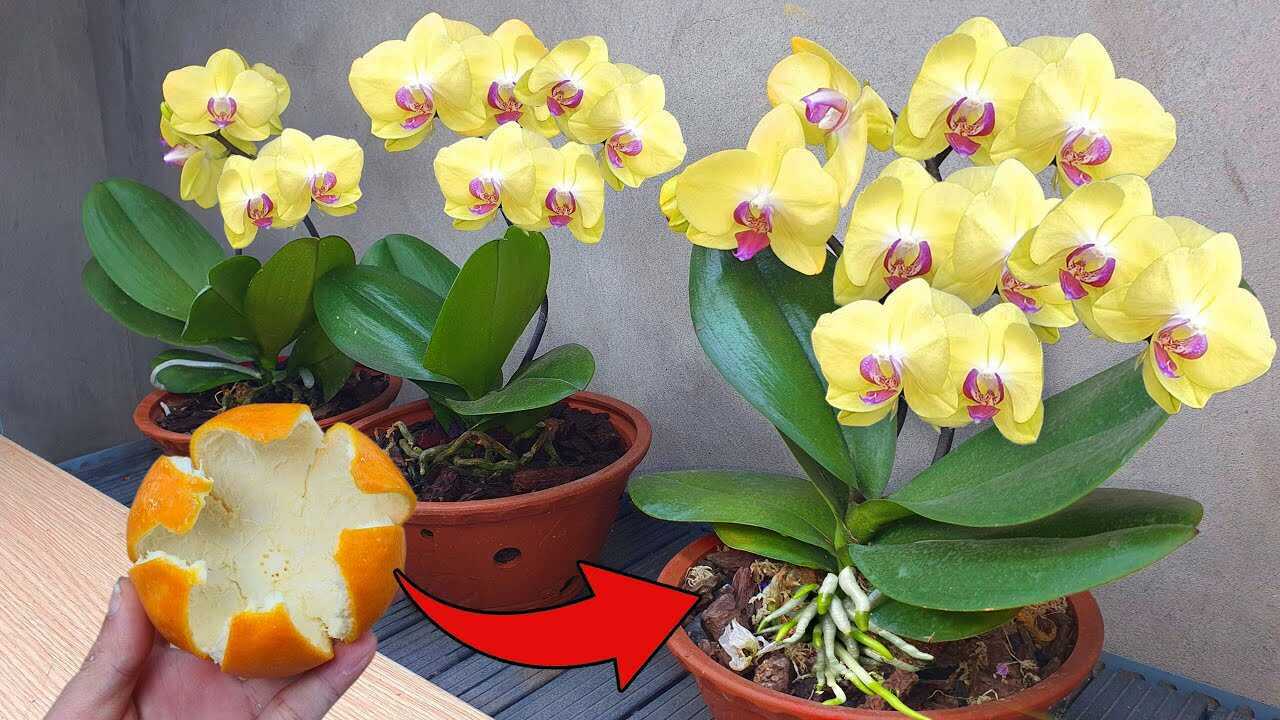
You can see a fresh **orange peel** in the photo — bright orange skin with the white pith inside. That peel is the hero of this simple orchid trick. Used correctly, **citrus peel** supplies slow-release potassium and trace minerals and yields a mild, diluted extract that can help support spike development in Phalaenopsis-type orchids when combined with proper care. This is a supplement, not a miracle: expect visible effects over several weeks, not days.
Why orange peel can help orchids (short, factual)
- Potassium content — citrus peels contain potassium and other mineral salts that contribute to flower formation and overall plant vigor when broken down or applied as a diluted extract.
- Essential oils (limonene) — citrus peels contain limonene and other compounds that have mild antimicrobial properties in low concentrations; when highly diluted this can reduce some surface microbes without harming healthy roots.
- Slow-release and trace elements — dried or composted peels return micronutrients to the root zone over time, complementing regular fertilization.
Step-by-step: make a safe citrus-peel root drench
This root drench is the preferred, low-risk way to use the peel you see in the image. It extracts soluble minerals while avoiding rotting fresh peel in the pot.
- 1 medium orange peel (20–30 g): cut into small strips.
- 1 liter (1 quart) of non-chlorinated water: room temperature.
- Place peel in the water and steep with a lid for 48 hours in a cool place (no direct sun).
- Strain the liquid through a fine sieve — this is your concentrated citrus peel extract.
- Dilute 1:5 with plain water (one part extract + five parts water) before use. Undiluted extract can be too strong and may irritate roots.
- Apply the diluted solution as a root drench: 100–200 ml (3–7 fl oz) per small to medium Phalaenopsis pot, letting excess drain out. Do this once every 3–4 weeks during the active growth season (spring–early autumn).
- In winter, when growth slows, reduce to once every 6–8 weeks or stop until growth resumes.
Alternative: dried peel powder for slow release
- Dry peels fully in sun (several days) or in an oven at low heat (40–50 °C / 104–122 °F) until brittle.
- Grind to a fine powder. Use a very small amount: ¼ teaspoon (≈0.5–1 g) lightly mixed into the top layer of bark in a 12 cm (4–5 in) pot at repotting time only.
- This delivers slow-release potassium and minerals over months. Do not bury fresh peel pieces directly in the pot — they rot, attract pests, and reduce aeration.
Practical tips from experience
- Always dilute — essential oils and acids in citrus can be phytotoxic at high concentrations. The 1:5 dilution keeps it safe for roots.
- Use this as a supplement alongside regular orchid care: correct light, watering, airflow, drainage, and a balanced orchid fertilizer (follow label rates).
- Keep an eye on potting mix pH over months. Citrus extracts can slightly lower pH; orchids prefer ~5.5–6.5. If pH drops too low, flush the pot with plain water and pause treatments.
- Start with one plant as a test. Observe root health and leaf color for 6–12 weeks before treating a whole collection.
Common mistakes to avoid (real botanical pitfalls)
- Do not place raw orange peel directly against roots or buried in the potting medium — decomposition creates anaerobic pockets, heat and rot, and attracts pests.
- Avoid undiluted peel infusion or essential oil products on roots — these can burn roots and damage the crown.
- Do not double up with high-potassium chemical fertilizers the same week — excess potassium can imbalance nutrient uptake. Space treatments at least two weeks apart from strong fertilizer applications.
- Expecting immediate spikes is unrealistic. Spike initiation typically takes several weeks to a few months (6–12 weeks) depending on plant condition and season.
When to expect results and how to measure success
Used correctly, a citrus-peel root drench can support the plant’s nutrient balance and microbial environment, which may encourage spike initiation. Track progress with photos and notes: check roots for firmness and healthy green tips, leaves for steady color, and watch for spike nodes. Expect to evaluate results over 6–12 weeks. If no improvement after a season, focus on repotting, light and temperature adjustments.
Conclusion — a practical, low-cost boost
That orange peel in the picture is a useful, accessible supplement when prepared and used safely: a diluted citrus-peel tea applied as a root drench once a month in the growing season, or tiny amounts of dried powder at repotting, can return potassium and trace elements to the root zone without the risks of burying fresh peel. Always use it as an adjunct to proper light, watering and feeding — not a replacement.
Try the method on one orchid this season, note changes over 6–12 weeks, and adjust frequency if you see any sensitivity. If it works for you, share your before-and-after photos and timing so other growers can learn from your results.