
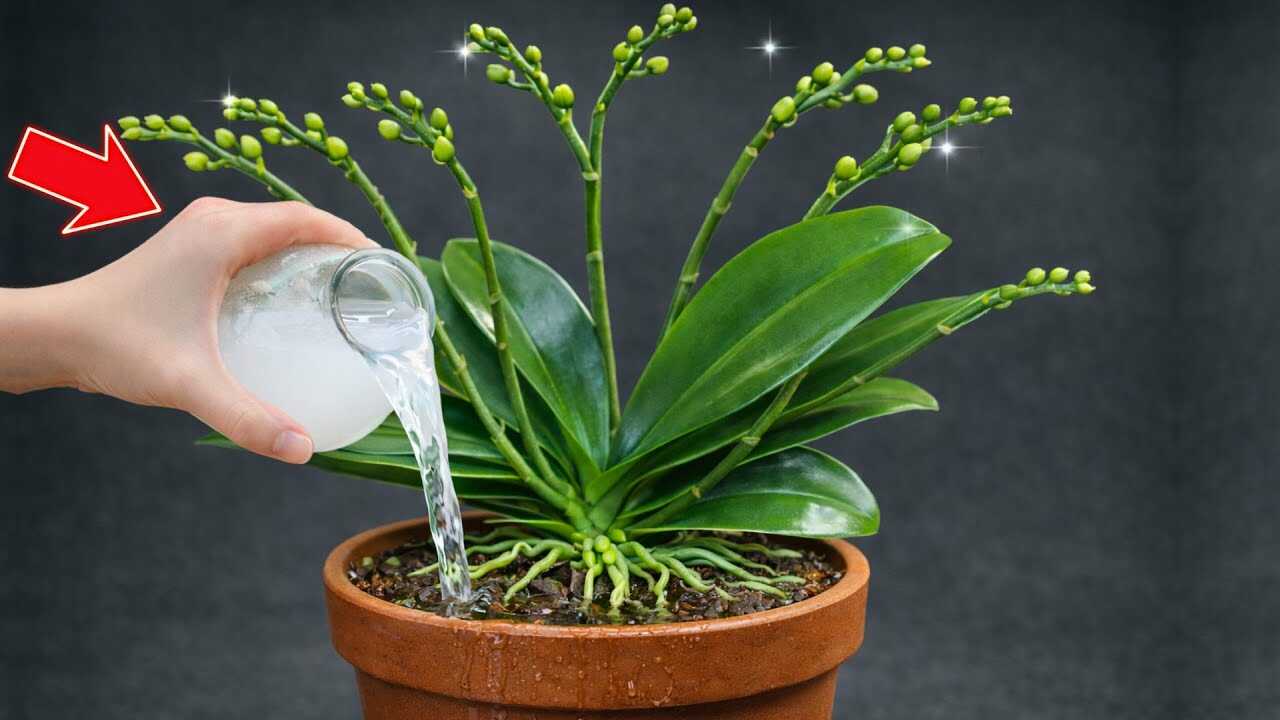
Just Sprinkle This on Top! Orchids with No Flowers Suddenly Bloom
Just Sprinkle This on Top! Orchids with No Flowers Suddenly Bloom
Unlocking the Secret to Blooming Orchids
Have you ever looked at your beautiful **orchids** and wondered why they simply refuse to bloom? You’re not alone! Many orchid enthusiasts face this common dilemma. Fortunately, there’s a simple solution that can breathe life back into your plants. Let’s explore why your orchids might be stalling and how a few easy steps can lead to stunning blooms.
Step-by-Step Guide to Reviving Your Orchids
1. Assess the Environment
First, take a close look at the **environment** where your orchids are placed. Orchids thrive in bright, indirect sunlight. If they’re in a dim corner, consider moving them to a brighter location. Be mindful of drafts and heat sources, as both can stress your plants.
2. Check the Watering Schedule
Next, evaluate your **watering routine**. Overwatering is a common mistake. Allow the top inch of the potting medium to dry out before watering again. Use room temperature water for the best results. Remember, these plants prefer to be somewhat dry rather than soggy!
3. Fertilize Wisely
Adding a **quality orchid fertilizer** can make all the difference. Use a balanced formula designed specifically for orchids every two weeks during the growing season. If your orchids are struggling to produce blooms, a high-phosphorus fertilizer can encourage flowering more effectively.
4. Encourage Humidity
Orchids love humidity! If your indoor air is dry, consider setting your pot on a tray of **pebbles and water**. This simple setup increases humidity without waterlogging the roots. Alternatively, regular misting can provide a quick humidity boost.
5. Repotting When Necessary
Lastly, check if your orchids need **repotting**. If the potting medium is breaking down or if your plant is root-bound, it can hinder blooming. Choose a breathable medium like bark or sphagnum moss, and consider repotting every 1-2 years.
Practical Tips from Experienced Growers
- Use the Right Pot: Ensure your pot has drainage holes to prevent water from accumulating.
- Don’t Rush Blooming: Patience is key! Some orchids take longer to bloom than others.
- Inspect Regularly: Keep an eye on your plants for pests and diseases that may affect blooming.
Common Mistakes to Avoid
- Overwatering: Remember, too much water can drown your orchids.
- Ignoring Lighting Needs: Every orchid species has its specific light requirements; make sure to do your research.
- Skipping Fertilizer: Neglecting to fertilize during the growing season can lead to poor blooming.
Conclusion: Time to Bloom!
Reviving your **orchids** may take a little time and patience, but with these simple steps, you’re well on your way to seeing those breathtaking blooms. Don’t hesitate to sprinkle on that fertilizer and adjust your care routine. Your orchids are waiting to surprise you with their beauty! So, let’s get started today and transform your plants from dull to dazzling. Happy gardening!