
My grandma still uses this to keep flies away. It works
My grandma still uses this to keep flies away. It works
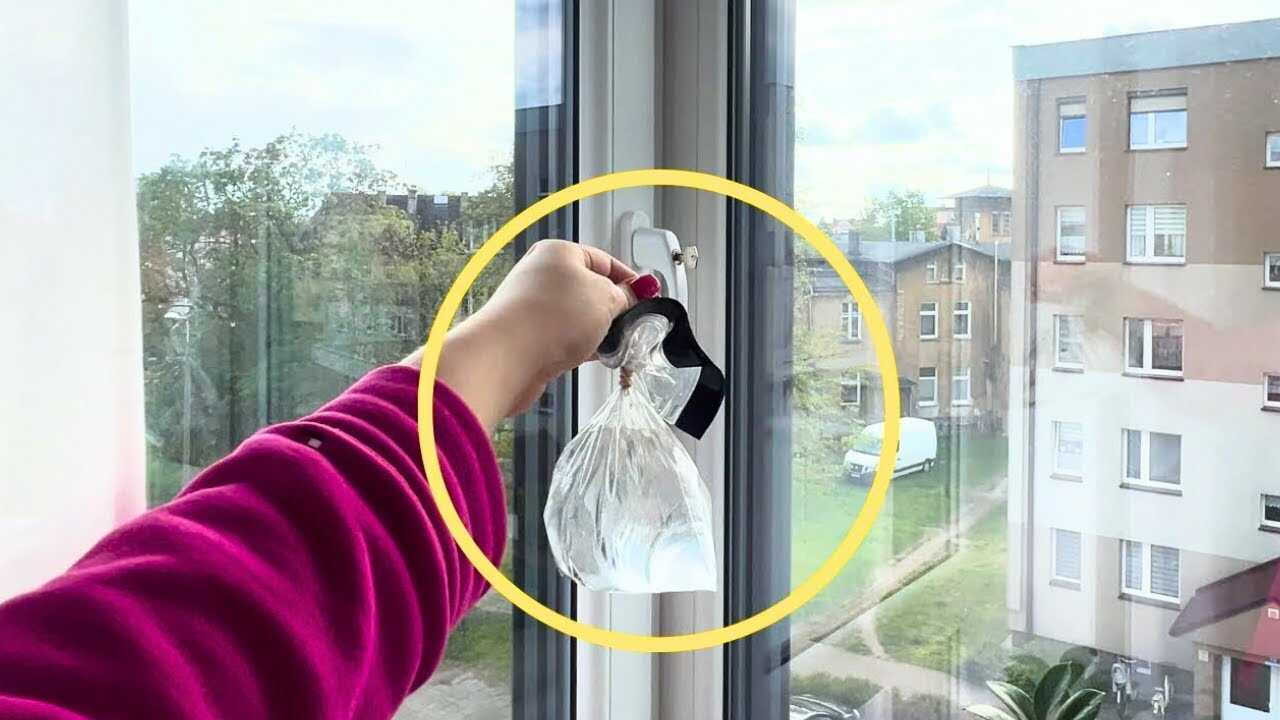
In the photo you can see a small clear **plastic bag filled with water** hanging from a window latch — a simple, old-fashioned trick many gardeners and home-keepers swear by. Below I explain exactly how to use that clear water bag around windows and potted plants, why it can reduce fly landings, and how to do it safely and effectively as a complement to regular plant care.
Why a water bag can help (the real, botanical and entomological basis)
Houseflies and many small nuisance flies rely heavily on **visual cues** and the polarization of light to choose landing sites. A taut bag of water creates moving **reflections and light refractions** that break up the visual cues flies use. This disorienting effect can reduce fly landings without chemicals. Use this as a **complement** to proper hygiene, screens, airflow and plant care — not as a standalone cure.
Step-by-step: prepare and hang the water bag
- Choose a clear, sturdy bag: use a standard sandwich or small produce bag (about 15–20 cm wide) with no holes.
- Fill with water: pour clean tap water until the bag is about one-third full (roughly 150–300 ml depending on bag size). This amount lets the water shift and refract light while keeping the bag compact.
- Seal tightly: twist and knot the bag or use a small plastic clip so it won’t leak. A secure seal prevents dripping and pests.
- Attach near the problem area: hang the bag 10–30 cm (4–12 inches) above or slightly in front of the window, door, or group of potted plants where flies enter or land most often.
- Anchor method: use a suction-hook, adhesive clip, or tie it to the window latch as shown. Make sure the bag can move slightly in the breeze to increase reflections.
Dosage, timing and replacement (precise and seasonal)
Replace the water every 7–10 days under normal spring/fall conditions to keep the surface clear and avoid algae. In hot summer weather, replace the water every 3–4 days to prevent mosquito breeding and overheating. Keep one bag per every 0.5–1 m² of open window space or per cluster of indoor pots, and maintain this routine throughout the active season (several weeks to months).
Practical tips from experience
- Multiple bags: use several small bags spaced evenly if you have a wide window or many plant groupings; even spacing improves light disruption.
- Movement matters: a slight breeze or gentle movement makes the effect stronger — a completely immobilized bag is less effective.
- Keep plants healthy: pair this method with proper watering, drainage and sanitation (remove fallen fruit/leaf debris) to reduce fly attraction at the source.
- Combine with screens: mesh screens and sticky traps work well alongside a water bag for faster improvements.
Common mistakes to avoid (real botanical and entomological errors)
- Don’t leave stagnant water for long: stagnant water can attract mosquitoes and encourage algal growth — replace as recommended.
- Don’t touch plant foliage: avoid letting the bag rest on leaves or soil where extra humidity could promote fungal disease or rot.
- Don’t rely on it alone: ignoring light, ventilation, watering habits and sanitation will limit results — the bag is an aid, not a cure.
- Avoid overcrowding: too many bags touching each other or the glass reduces movement and reflective variety, lowering effectiveness.
What to expect and realistic timeline
You may notice fewer fly landings near treated windows and plant groups within several weeks of consistent use. Results vary with species, light conditions and local fly pressure. Keep routine replacements and combine this visual-disruption method with good plant hygiene for steady, reliable reduction over the active season.
Conclusion — give it a try
This clear **water-in-a-bag** trick is cheap, chemical-free and easy to test. Hang a properly sealed bag, replace the water on schedule, and monitor plants and windows for several weeks. If you see fewer flies, great — keep it as part of your seasonal routine. If not, pair it with screens, traps and improved plant hygiene. Share your results and adjustments — small seasonal changes often make the biggest difference.