
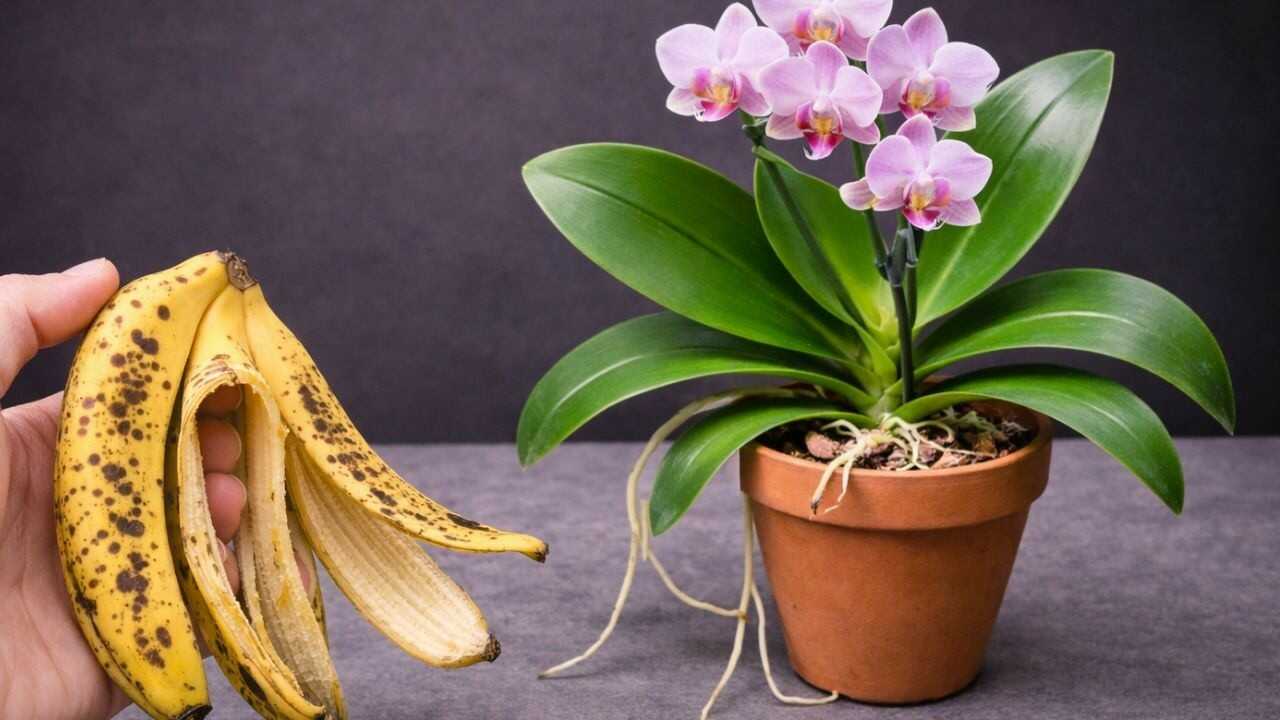
Place a piece under the orchid — it will suddenly bloom.
Place a Piece Under the Orchid — It Will Suddenly Bloom
Unlocking the Secret to Orchid Blooming
Orchids are some of the most fascinating and beautiful plants in the world. If you’ve ever found yourself puzzled as to why your orchid isn’t blooming, you’re not alone. Many enthusiasts often overlook a few key factors that can transform a languishing plant into a blossoming marvel. Let’s dive into the steps to ensure your orchid thrives and flourishes!
Step-by-Step Guide to Reviving Your Orchid
1. Assess the Environment
Orchids require a specific range of conditions to bloom. Ensure that your orchid receives adequate indirect sunlight. Too much direct light can scorch the leaves, while too little will hinder blooming.
2. Check the Potting Medium
Orchids thrive in well-draining potting media. Replace old media if it’s broken down and retains too much moisture. A mix of bark, sphagnum moss, and perlite can offer the right balance.
3. Watering Wisely
Overwatering is a common cause of failure in orchids. Water them every 1-2 weeks, allowing the top inch of soil to dry out between waterings. This will prevent root rot and encourage blooming.
4. Fertilize Regularly
Use a balanced orchid fertilizer every 2-4 weeks during the growing season. Look for fertilizers high in phosphorus; this nutrient encourages blooming and supports healthy growth.
5. Temperature and Humidity
Orchids generally prefer a temperature range of 65°F to 75°F during the day and slightly cooler at night. Maintaining humidity levels around 50-70% can also encourage blooming.
Practical Tips from Experience
- Rotate Your Orchid: Rotate the pot every few weeks to ensure even light distribution.
- Use a Humidifier: If your home is dry, consider using a humidifier or placing a tray of water near the orchid.
- Patience is Key: Sometimes, orchids require time to adapt to changes. Be patient and consistent in your care.
Common Mistakes to Avoid
- Overwatering: This is the number one killer of orchids. Stick to a consistent watering schedule.
- Neglecting to Prune: After blooming, trim the spike to encourage future growth.
- Ignoring Pests: Regularly check for pests like spider mites and aphids that can damage your orchid.
A Motivating Conclusion
Following these simple steps can breathe new life into your orchid, transforming it from a lackluster plant to a vibrant showpiece in your home. Remember, each orchid is unique and may require a bit of trial and error to discover the perfect care routine. So, place that piece under your orchid, nurture it with love, and enjoy the beauty of its blooms! Don’t hesitate—start your orchid journey today!