Put This Under Your Doormat Today—You May Be Surprised by the Results!
Salt is one of the most versatile ingredients in the home. Beyond seasoning food, it can absorb moisture, help with light cleaning and play a role in several traditional household practices.
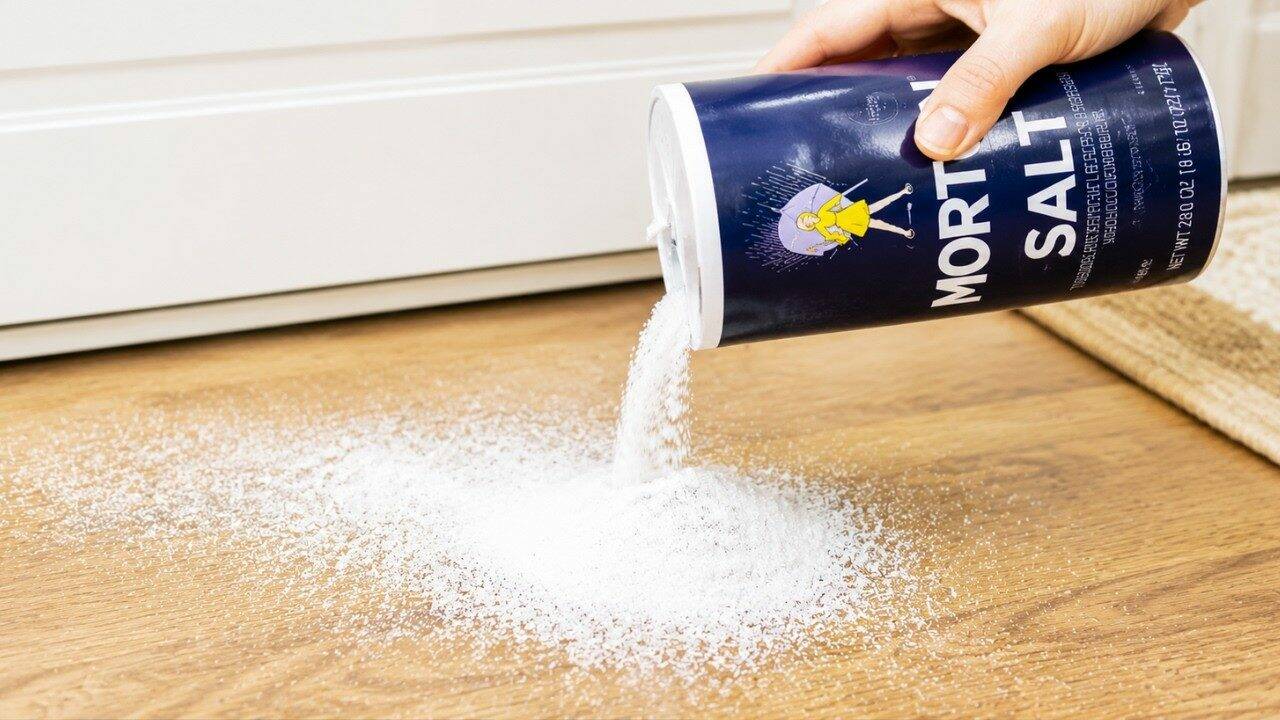
One popular trick involves sprinkling salt near the entrance and covering it with a doormat. Some people believe this helps discourage crawling insects, while others follow the practice as a symbolic way of “cleansing” the entrance to their home.
However, salt alone is not a reliable pest-control treatment. It may also damage metal thresholds, stone, concrete, wood or nearby plants if it becomes wet. Use only a small amount, keep it away from pets and sweep it up promptly.
Here are several other popular household tricks involving salt, herbs, spices and simple ingredients.
1. Salt, Garlic and Bay Leaves Near the Door
This decorative bowl uses ingredients with powerful aromas.
What You’ll Need
- A small bowl
- Coarse salt
- 1 garlic bulb
- Several dried bay leaves
Instructions
Fill the bowl halfway with salt. Cut the top from the garlic bulb and place it upright in the center.
Arrange the dried bay leaves around the garlic, inserting their lower ends into the salt. Place the bowl near the entrance, but somewhere children and pets cannot reach it.
Garlic and bay leaves release noticeable aromas that some insects may find unpleasant. However, there is not enough evidence to claim that this bowl will completely prevent ants, spiders or cockroaches from entering your home.
For an active infestation, remove accessible food, seal cracks, repair leaks and use a pest-control product specifically labeled for the insect involved.
2. Salt and Lime Bedroom Bowl
Another traditional trick involves placing a salted lime in the bedroom.
Cut a lime in half and remove a small piece from the bottom so it sits steadily. Place it in a bowl and sprinkle salt over the exposed surface.
The fresh citrus scent may make the room smell more pleasant and relaxing. However, a lime-and-salt bowl has not been proven to treat insomnia, anxiety or other sleep problems.
Place it on a bedside table rather than directly under the bed, where it could be spilled or forgotten. Discard it once it becomes dry, moldy or unpleasant.
3. Avoid Homemade Coffee-and-Oil Lanterns
Some online demonstrations recommend floating oil over coffee-infused water, threading a homemade wick through a bottle cap and setting it alight.
Although visually attractive, this creates an improvised open-flame device involving hot or burning oil. It can tip over, ignite nearby materials or cause burns. Open flames should never be left unattended or placed near curtains, plants, children or pets.
For outdoor evenings, use a stable commercially manufactured lantern or an approved spatial mosquito repellent instead. Fire-safety guidance emphasizes careful supervision of flames and hot oils.
4. Coffee, Bay Leaf and Pepper Sachets
Strongly scented spice sachets are sometimes placed in cupboards and pantries.
Ingredients
- 3 tablespoons ground coffee
- Several crushed bay leaves
- 1 tablespoon ground pepper
- A small breathable fabric or paper pouch
Mix the ingredients and place them inside the pouch. Position it in a dry cupboard away from uncovered food.
This may freshen the cupboard and produce an aroma that some insects dislike, but it will not eliminate pantry moths or cockroaches.
If pantry moths appear, inspect flour, rice, cereal, nuts, spices and pet food. Discard infested packages, vacuum shelves and store replacement foods in tightly sealed containers.
5. A Safer Approach to Plant Pests
The original trick recommends combining flour, water and dishwashing liquid and spraying it over plants. This mixture may coat leaves, block their pores or cause burning, especially in strong sunlight.
A safer first step for aphids is to spray the affected plant with plain water. Aphids are fragile and can often be knocked from leaves with a firm stream. Beneficial insects may also help control their population naturally.
For more persistent infestations, use a commercial insecticidal soap or horticultural oil labeled for the type of plant being treated. Follow the label carefully and test a small section first.
6. Bay Leaves on Windowsills
Placing dried bay leaves near a window is a simple, low-risk household experiment.
Arrange several leaves along the windowsill or close to small gaps where flies enter. Crush one or two leaves gently to release more fragrance.
The scent may discourage an occasional fly, but bay leaves will not provide complete protection. Window and door screens, covered food and clean waste containers are considerably more dependable.
Replace the leaves when their aroma fades.
7. Vinegar and Essential-Oil Window Spray
A scented cleaning spray can be used around some nonporous window and door frames.
Ingredients
- 200 ml water
- 200 ml white vinegar
- A small amount of essential oil
- Spray bottle
Combine the water and vinegar. Add a few drops of peppermint, lavender or eucalyptus oil, then shake well.
Test the mixture on a hidden area before widespread use. Vinegar can damage marble, limestone, natural stone, waxed wood, certain metals and some painted surfaces.
Spray lightly onto a cloth and wipe suitable frames rather than saturating them. Do not spray essential-oil mixtures around cats, birds, aquariums or animals with respiratory sensitivities.
This mixture may leave a strong scent, but it should not be presented as reliable protection against mosquitoes or ticks. For protection from insect bites, health authorities recommend registered repellents whose safety and effectiveness have been evaluated.
8. Cinnamon-Scented Surface Cleaner
Cinnamon can give a homemade cleaner a warm, pleasant fragrance.
What You’ll Need
- 500 ml water
- 2 cinnamon sticks
- A small amount of dishwashing liquid
- 1 teaspoon baking soda
- Spray bottle
Preparation
Place the water and cinnamon sticks in a saucepan. Simmer gently for approximately five minutes, then remove the pan from the heat.
Allow the liquid to cool completely and remove the cinnamon sticks. Add a small amount of dishwashing liquid and the baking soda. Stir slowly to avoid excessive foam.
Pour the solution into a clean spray bottle.
Use it on washable, nonporous surfaces such as some countertops, cupboard exteriors and outdoor furniture. Test it first and avoid natural stone, untreated wood, delicate paint and electronic equipment.
Wipe the surface afterward with a clean microfiber cloth. Make small batches and discard the mixture if its appearance or smell changes.
The cinnamon adds fragrance, but this cleaner should not be expected to create a complete insect barrier.
What Actually Helps Keep Insects Out?
Homemade scented remedies may be pleasant additions to your cleaning routine, but the following steps are more dependable:
- Repair damaged window and door screens.
- Seal cracks around pipes, doors and baseboards.
- Store dry foods in airtight containers.
- Clean crumbs, spills and grease promptly.
- Empty standing water at least once a week.
- Keep rubbish bins covered.
- Repair dripping pipes and reduce indoor moisture.
The CDC recommends removing or regularly emptying objects that hold water, maintaining screens and using appropriate repellents to reduce mosquito problems around the home.
When protection from mosquito bites is important, use a registered repellent containing a recognized active ingredient and follow its label. Natural, unregistered mixtures may not provide predictable protection.
Final Thoughts
Salt, garlic, bay leaves, coffee, citrus and cinnamon can make interesting additions to household routines. They may freshen rooms, absorb limited moisture or produce aromas that some insects avoid temporarily.
However, they should not be described as instant solutions capable of eliminating every pest. The best results come from combining good cleaning habits, physical barriers and properly labeled pest-control products when necessary.
Most importantly, avoid improvised flames, do not spray untested mixtures directly on plants or animals, and always keep concentrated ingredients away from children and pets.