The Top 3 Reasons Your Cucumbers Are Covered in Flowers Instead of Fruit
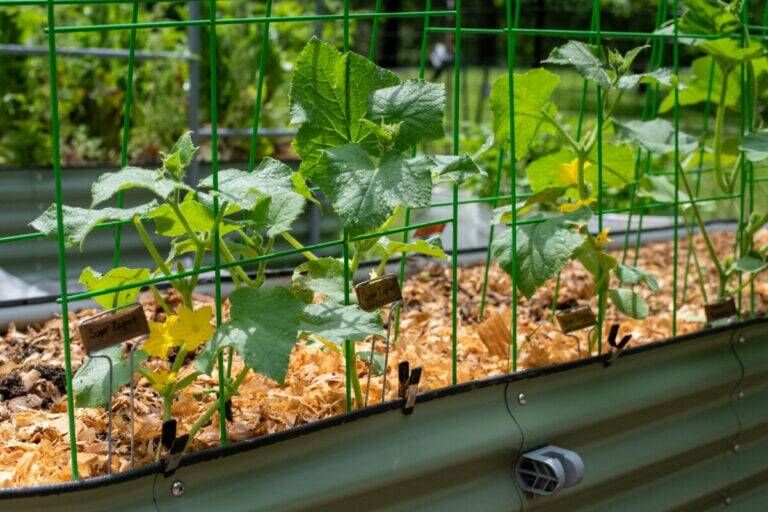
“A bank of beautiful, deep jade green cucumber leaves dotted with lively spots of summery yellow makes for a lovely garden backdrop. But if all you’re finding among those leaves are more flowers and few fruit, you begin to wonder if you’re doing something wrong. There are a few reasons this can happen, depending on where we are in the season, so let’s take a look at each and solve this “pickle” together.
Oh, come on, it’s been ages since I’ve snuck in a gardening pun. Dill with it.
All Flowers and No Fruit
I love tomatoes just as much as the next gardener, and there’s something to be said about eating your first tomato of the season. But ever since I’ve discovered
Persian cucumbers
, they have become the “first bite” of the gardening season that I look forward to the most.
Biologically speaking, the cucumber is a fruit, which is easy to forget when you’re crunching on ‘Straight Eights’ or ‘Boston Pickling’ cukes. But Persian cucumbers remind you that they are a fruit, with their musky, melon-like perfume, and a crunchy bite that stays cool and refreshing even on sweltering days.
In the hottest weeks of summer, I will eat
Israel salad
by the gallon.
And why not, when I’ve got newly harvested onions curing in the shed, and the garden is cranking out tomatoes and cucumbers by the bushel.
Right now, though, my cucumbers are
not
cranking out fruit by the bushel. They seem to be preoccupied with making pretty flowers. We already talked about the
few tasks you need to take care of once your cucumber plants begin to flower
. But what if you’ve taken care of those things and you’re still not getting any cucumbers?
There are generally three reasons why your cucumber plant may be purely decorative, rather than functional.
1. Immature Cucumber Plant
Cucumbers are members of the cucurbit family, and like all cucurbits, they take a while to get their plumbing sorted out. They have a habit of throwing nothing but male flowers when they start flowering. And just as you start noticing female flowers, it seems as though all those male flowers are nowhere to be seen.
It’s frustrating to be sure, but have patience.
It might feel like forever, but it generally only takes about two weeks for your plant to figure out what it’s doing and start producing female and male flowers.
“Excuse me, sir, your services are needed.”
You can cheat a little bit if you want. If you’ve got quite a few female flowers and only one male flower, you can play garden gigolo by removing the petals from the male flower and daubing the pollen-covered stamen among as many female flowers as you can. It gets the job done and gets cucumbers on the table.
2. Poor Pollination Rates
Okay, your plant is reliably putting out both male and female flowers, but you’re still not getting a lot of cucumbers. What gives?
If you’ve got a mature plant on your hands, the problem is usually low pollination rates.
Hang out in your garden for a while and keep an eye on the flowers. Do you notice pollinators visiting them? Look for native bees, hoverflies, bumble bees, squash bees, etc. If you can sit quietly in your garden for more than five minutes without noticing a hum of activity, you’ve got a problem that will affect more than just your cucumbers.
When we plan our gardens each spring, it’s easy to overlook making them pollinator-friendly until summer rolls around, and we don’t have any.
Don’t worry, all is not lost. There are a few things you can do to correct the situation. Here is a list of quick fixes that will bring the pollinators running. Well, flying rather.
Plant Flowers
I know, the reason we’re here is that you already have too many flowers. But this will help; I promise. It’s never too late in the season to plant some flowers among your vegetables. If you’re a regular reader of Rural Sprout, you’ll know I’m a huge fan of growing sweet alyssum interspersed throughout your garden. (
It’s especially great for tomatoes.
) If you can’t find nursery starts, you can sprinkle the seeds around the base of plants in your garden. It grows fairly quickly, and its highly concentrated nectar is like a clarion call for pollinators.
Really, most any flower will do (although
not all will feed your pollinators
), as you want to create blocks of color among your vegetable plants to attract pollinators. They will find your cucumber blossoms (and other veggie blossoms) once there.
Give Pollinators a Place to Rest
Place small dishes around your garden with pebbles in them, then fill them with water. You don’t want to submerge the pebbles completely. These little spots provide water for thirsty pollinators and a place to rest. Not to mention, they are rather charming. I love the look of these pretty
jade-colored pebbles
. I’ve bought several pounds of them in the past couple of years to use for pollinator watering stations as well as
pebble trays for my houseplants
. They’re just so pretty.
They also make cute
flower-shaped pollinator watering stations
, if you don’t want to bother planting real flowers. You can get a set or two of these and poke them in among your vegetables. Don’t forget to place a couple near your cucumbers! Fill them with water and wait for the pollinators to arrive.
If you have sprayed an insecticide or herbicide in your yard, this may be your sign to stop. Many of the more potent yard chemicals often have the unintended consequence of killing off nearby pollinators, which leaves you with a silent garden and unpollinated plants.
3. Pollen Sterility
Are you suffering from a scorching summer? Then there is a good chance the pollen in your cucumber flowers has been affected by the heat. If you’re currently dealing with a heat wave, then there’s a good chance that the pollen in your current batch of flowers is sterile.
Cucumbers produce blossoms and fruit best in the sweet spot of 70°F to 85°F. Once temperatures start to creep up above 90°F and stay there for a while, that’s when you run into problems. It’s even more likely if nighttime temperatures stay above 70°F, as the plant doesn’t get a chance to cool down in the evenings.
The plant will slowly stop producing blossoms, and the few blossoms that it does produce will not be viable because the heat damages the pollen. It can be frustrating because, on the surface, it looks like nothing is wrong.
We’ve been having another heat wave, which means this little female flower just withered and died.
Unfortunately, there isn’t a whole lot you can do in this situation beyond waiting it out. Mulching your cucumbers and watering them regularly will help to keep roots cool and the plant as comfortable as possible below ground, which can be the difference between having a plant survive the heat wave or not.
Thankfully, a break in the heat will allow the plant to resume producing cucumbers again.
These three issues are the usual and most likely culprits for having a flowerbed where a cucumber patch should be. You’ll note that for all three, a healthy dose of patience is a big portion of the fix. But no one likes to wait, especially when it comes to homegrown produce. Give it a little time and keep an eye on things, and this is one gardening issue that usually sorts itself out.”