Zucchini is tastier than meat, nobody believes I cook it so easily and so deliciously
Zucchini is tastier than meat, nobody believes I cook it so easily and so deliciously
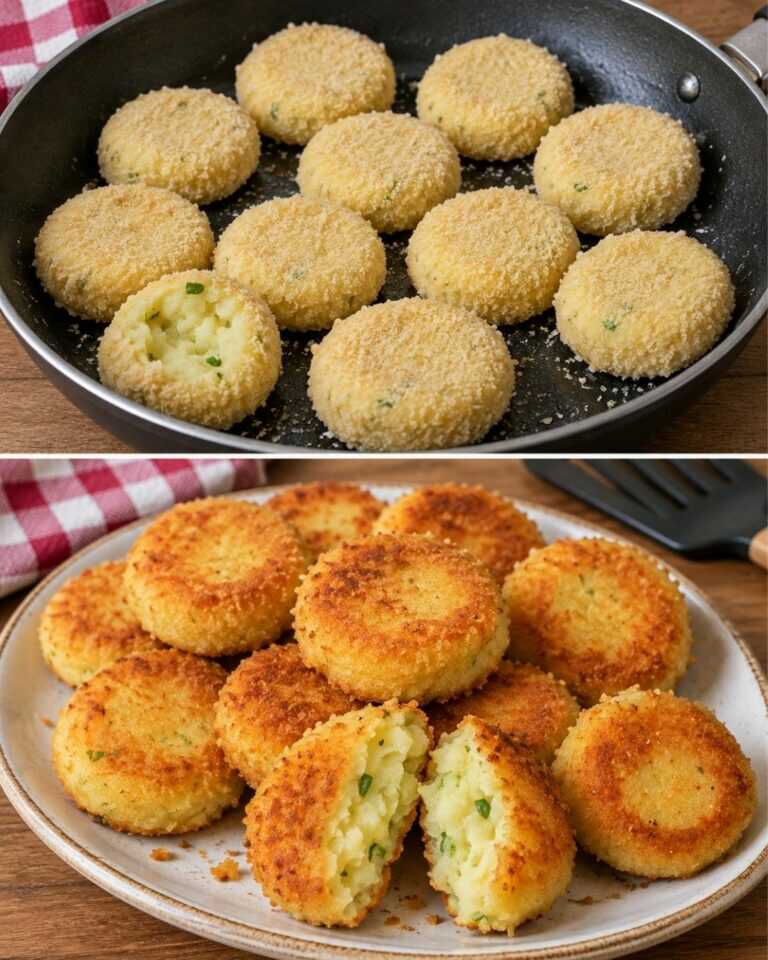
That golden plate in the photo? Those are battered, pan-fried **zucchini** strips — thin, crisp, and surprisingly meaty in texture. As a gardening and horticulture writer, I focus not on the cooking trick alone but on how to grow **zucchini** that produce the tender, flavorful fruits that become those irresistible fritters. Follow these horticultural steps and you’ll notice measurable flavor and texture gains in several weeks.
Why focus on zucchini (botanical reasons)
Fresh zucchini are mostly water but respond strongly to growing conditions: sunlight, balanced nutrients and consistent watering affect sugar concentration, texture and bitterness. Small, young fruits (about **15–20 cm / 6–8 inches**) are naturally sweeter and more tender because cell walls are less fibrous and seeds are immature. Proper nutrient balance—especially controlled nitrogen early and increased potassium during fruiting—improves fruit quality and storage life without gimmicks.
Step-by-step: grow zucchini that make perfect fried strips
- Choose the right variety: Pick a bush or semi-bush variety known for tenderness (examples: ‘Black Beauty’, ‘Cocozelle’ or similar). These give thin skins and fewer large seeds, ideal for frying.
- Timing and soil: Plant after the last frost when soil is at least 15°C (60°F). Prepare soil to pH 6.0–7.0. Work in 5–7 cm (2–3 in) of well-rotted compost per square metre before planting to supply steady organic nutrition.
- Planting dose and spacing: Sow or transplant seedlings 90–120 cm (3–4 ft) apart for bush types. At each planting hole, add 1 cup (240 ml) of well-rotted compost plus 2 tablespoons (≈30 g) of a balanced granular fertilizer (e.g., 5-5-5). Cover and water in.
- Watering schedule: Keep soil evenly moist: provide about 25–40 mm (1–1.5 in) of water per week during warm weather. Apply water to the base of the plant twice weekly (deep soak) rather than light daily misting to encourage deep roots and concentrated flavor.
- Feeding during fruiting (dose & frequency): Once flowers appear, top-dress each plant with 1/4 cup (60 ml) of an organic, potassium-forward fertilizer (for example an organic 3-4-6 blend) every 3 weeks until harvest. This encourages fruit development and improves taste.
- Pollination assistance: If bees are scarce, hand-pollinate in the morning for consistent fruit set: transfer pollen from a male flower to the stigma of a female flower using a small brush or the flower’s own petals. Do this daily during peak flowering for 2–3 weeks until natural pollination increases.
- Disease prevention (powdery mildew): Spray a 10% milk solution (1 part milk to 9 parts water) at first signs of powdery mildew, once a week, until the problem subsides. Avoid overhead watering to reduce fungal pressure.
- Compost tea for vigor: Brew 1 kg of well-aged compost in 10 L of water for 24–48 hours, aerate if possible, then dilute 1:10. Apply as a soil drench at planting and again every 2 weeks through the main harvest period to support microbial activity and nutrient availability.
- Harvesting size & frequency: Harvest fruits when they measure about 15–20 cm (6–8 in) long. Picking at this size gives the best balance of tenderness and flavor. During peak production, pick frequently (about every 2–3 days) so plants continue to set fresh, tender fruits for several weeks.
Practical cooking note tied to the photo
Those golden strips are easiest to achieve with thin, evenly sliced zucchini harvested at the sizes above. Their mild sweetness and firm-but-tender texture soak up batter and crisp without becoming soggy. Growing for small, young fruits is the horticultural shortcut to turning zucchini into a dish that even meat lovers praise.
Common mistakes to avoid (real botanical pitfalls)
- Too much nitrogen late: Overfeeding with high-nitrogen fertilizers after flowering produces lush foliage but fewer fruits and blander flavor. Stop heavy nitrogen once flowering begins.
- Harvesting too late: Letting fruits grow past 25 cm (10 in) results in bigger seeds, fibrous flesh and diluted flavor — not good for crisp frying.
- Irregular watering: Fluctuating moisture dilutes sugars and can cause blossom end rot. Keep moisture steady to concentrate flavor.
- Poor pollination hygiene: Ignoring pollination when pollinators are scarce leads to misshapen fruits and low yields. Hand pollinate early morning if needed.
- Ignoring disease cues: Waiting to treat early powdery mildew lets disease reduce photosynthesis and crop quality. Use the milk spray weekly at first sign.
When to expect results
If you implement the soil preparation, feeding and watering adjustments above, expect improved fruit tenderness and flavor in the next main production window — typically within 3–6 weeks of flowering and the repeated regimen of feeding and watering. Consistent practice over a season gives the best, repeatable results.
Conclusion — grow small, harvest often, fry to perfection
Those golden fried zucchini strips start in the garden: select the right variety, feed thoughtfully, water consistently and harvest young at 15–20 cm. With the precise doses and frequencies above, you’ll produce zucchini with texture and flavor that truly surprise diners. Try these steps this season, harvest frequently for several weeks, and then plate the results — I promise the crunch will speak for itself. Ready to plant?