I Spray This Around My Front Door – Ants, Flies and Cockroaches Stay Away
I Spray This Around My Front Door – Ants, Flies and Cockroaches Stay Away
When insects begin appearing around doors, windows, kitchens, or bathrooms, many people look for simple alternatives before turning to chemical sprays.
Strong natural aromas such as citrus, peppermint, cloves, and cinnamon are often used in homemade insect deterrents because some insects dislike these scents. While these mixtures won’t eliminate an infestation, they may help discourage insects from entering certain areas when combined with good household hygiene.
Here are several popular homemade methods for reducing unwanted visitors around your home.
1. A Citrus and Spice Doorway Spray
This aromatic spray is designed to freshen the area around entrances while creating scents that some insects tend to avoid.
Ingredients
- Peels from one lemon
- 2 cinnamon sticks
- A generous handful of whole cloves
- A few drops of peppermint essential oil
- Enough rubbing alcohol or high-proof vodka to cover the ingredients
Instructions
Place the lemon peels into a glass jar or bottle.
Add the cinnamon sticks and cloves.
Pour in the peppermint oil.
Cover everything with alcohol.
Seal the container and allow it to steep for 24 hours.
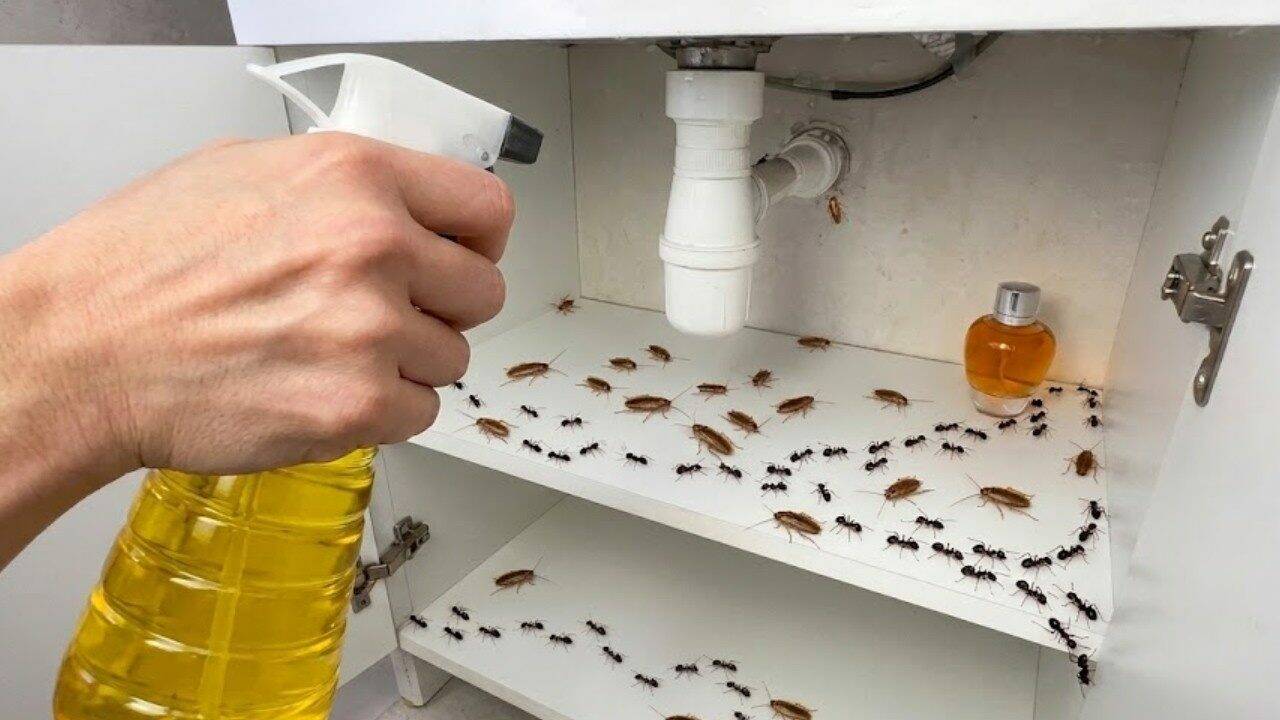
Strain the liquid and pour it into a spray bottle.
Lightly spray around:
- Exterior doors
- Window frames
- Garage entrances
- Patio doors
- Baseboards where insects may enter
Avoid spraying directly onto painted surfaces, delicate finishes, or natural stone until testing a small hidden area first.
2. Why These Ingredients May Help
Each ingredient contributes a strong fragrance.
- Lemon peel contains aromatic citrus oils such as limonene.
- Peppermint oil provides a powerful mint scent.
- Cloves contain eugenol, a naturally aromatic compound.
- Cinnamon adds another intense fragrance.
These scents may temporarily discourage some insects from lingering in treated areas, although they are unlikely to eliminate established infestations.
3. Keep Entry Points Clean
A spray works best when combined with simple prevention.
Regularly clean:
- Door thresholds
- Window tracks
- Kitchen corners
- Behind appliances
- Under sinks
Remove crumbs, standing water, and food residues that attract pests.
Store food in sealed containers.
Repair leaking pipes and eliminate damp areas where cockroaches often hide.
4. A Physical Barrier for Ant Trails
One popular household trick is applying a very thin layer of petroleum jelly where ants repeatedly travel.
Ants generally follow scent trails laid by other ants.
A sticky barrier may interrupt their movement on certain smooth surfaces.
Apply only a narrow strip where appropriate, such as:
- Door thresholds
- Window tracks
- Small exterior cracks
Avoid placing petroleum jelly where people may step, as it can become slippery.
5. Cinnamon Around Ant Entry Points
Ground cinnamon or cinnamon essential oil is frequently used around ant trails.
Sprinkle a light amount near:
- Cracks in paving
- Doorways
- Window sills
- Known entry points
Replace it after rain or heavy cleaning.
Although cinnamon may temporarily discourage some ants, it does not destroy the nest.
6. Peppermint Spray for Outdoor Areas
A diluted peppermint oil spray is another commonly used homemade repellent.
Mix:
- 500 ml water
- 10 to 15 drops peppermint essential oil
- A few drops of liquid dish soap to help the oil disperse
Shake well before each use.
Spray around patios, balconies, outdoor furniture, and door frames.
Avoid spraying directly onto sensitive plants unless you have tested them first.
7. Don’t Rely on Homemade Baits Alone
Some viral recipes recommend mixing breadcrumbs, toothpaste, sugar, and baking soda as a cockroach bait.
While sugar may attract insects, there is little evidence that these combinations provide reliable pest control.
If cockroach activity is significant, commercial bait stations or professional treatment are usually much more effective.
8. Prevent Cockroaches Naturally
The best defense is making your home less attractive to them.
Keep kitchen counters dry.
Take out garbage regularly.
Store pet food overnight.
Seal gaps around plumbing.
Repair water leaks quickly.
Vacuum behind refrigerators and stoves where food debris often accumulates.
9. When Homemade Sprays Are Not Enough
Natural sprays may help discourage occasional insects, but they cannot solve serious infestations.
Contact a pest control professional if:
- Cockroaches appear during the day.
- You regularly find large numbers of insects.
- Ant colonies continue returning despite treatment.
- You discover nests inside walls.
- Rodents are present.
Persistent infestations usually require identifying and eliminating the source.
10. Additional Ways to Keep Insects Away
Simple habits can greatly reduce pest problems.
- Install door sweeps.
- Repair damaged window screens.
- Seal cracks around pipes and foundations.
- Remove standing water outdoors.
- Keep vegetation trimmed away from the house.
- Clean food spills immediately.
- Empty indoor trash frequently.
These preventive measures are often more effective than relying on homemade sprays alone.
Final Thoughts
A homemade spray made with lemon peel, cloves, cinnamon, and peppermint can leave your home smelling fresh and may help discourage ants, flies, and other crawling insects from lingering near doors and windows.
However, natural remedies work best as preventive measures rather than complete solutions. Keeping your home clean, sealing entry points, and removing food and moisture sources remain the most effective long-term strategies for keeping unwanted pests outside where they belong.