One Simple Jar Is Enough – Mosquitoes Will Stay Away from Your Home
One Simple Jar Is Enough – Mosquitoes Will Stay Away from Your Home
Mosquitoes can quickly ruin a quiet evening on the balcony, terrace, or patio. Many homemade remedies use strong aromas such as coffee, cinnamon, cloves, mint, and bay leaves to make outdoor seating areas less attractive to these unwanted insects.
Although these methods cannot guarantee complete protection, they may help reduce mosquito activity in a small area. Here are several popular ideas made with simple household ingredients.
1. The Aromatic Mosquito-Repellent Jar
This homemade jar combines several fragrant ingredients that mosquitoes may find unpleasant.
You will need:
- One heat-resistant glass jar
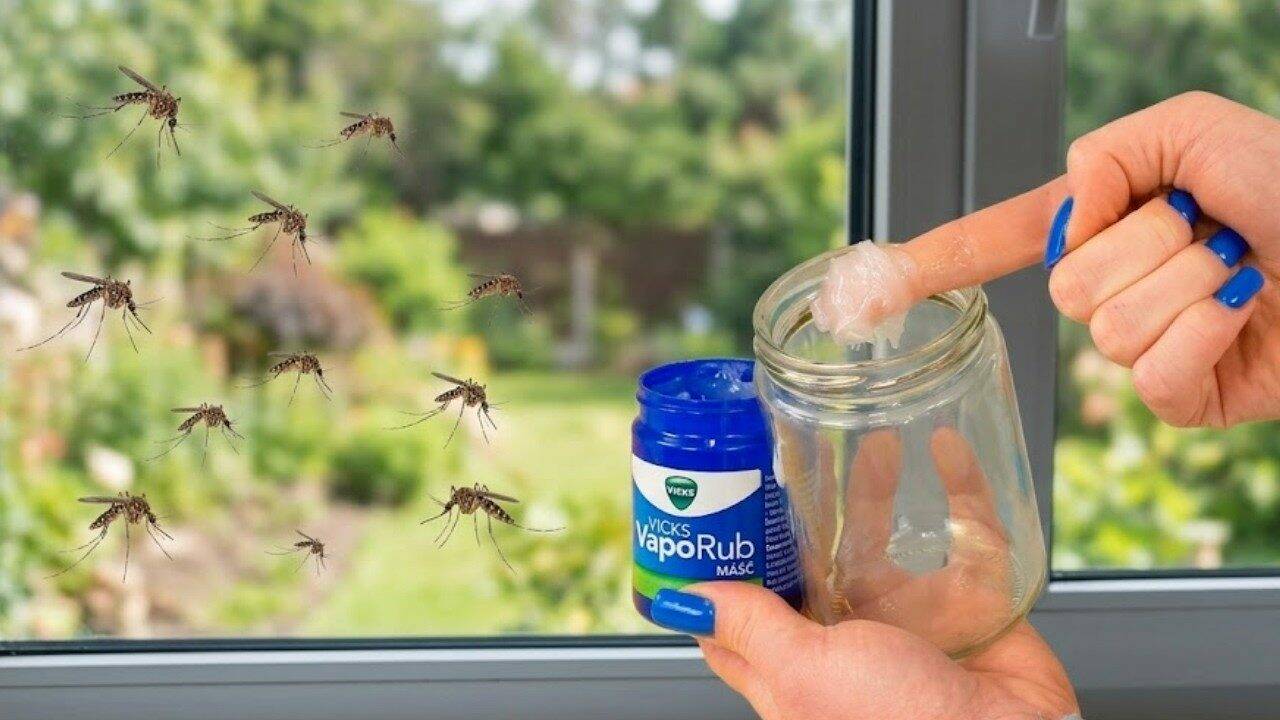
- A small amount of mentholated ointment
- 2 teaspoons ground cinnamon
- 3 heaping tablespoons ground coffee
- A handful of whole cloves
- 2 bay leaves
- 1 teaspoon dried mint
Instructions
Spread a thin layer of mentholated ointment around the inside of the jar.
Add the cinnamon and ground coffee.
Mix or shake the ingredients gently so they are distributed around the bottom of the jar.
Add the whole cloves.
Tear the bay leaves into smaller pieces and place them in the jar.
Finish with the dried mint.
The combination creates a strong aroma that may help make the immediate area less attractive to mosquitoes.
Place the open jar near a window, doorway, balcony table, or outdoor seating area.
Do not place it where children or pets can reach it.
2. Avoid Lighting Cotton Swabs Inside the Jar
Some versions of this trick recommend placing a cotton swab inside the jar and lighting it.
This is not recommended. Cotton, ointments, coffee, and dried herbs may burn unpredictably, and the glass could become dangerously hot or crack.
The jar can still be used as a passive aromatic mixture without any flame.
For greater effectiveness, place several jars around an outdoor seating area rather than relying on only one.
3. Cinnamon and Bay Leaf Sachets
A flame-free alternative is to create small aromatic sachets.
Ingredients
- Ground cinnamon
- Crushed bay leaves
- Dried mint
- Small breathable fabric bags
Mix the ingredients and place them inside the bags.
Position the sachets near:
- Windows
- Doors
- Patio tables
- Garden seating areas
The fragrance will gradually fade, so replace the ingredients regularly.
This method is safer than burning paper or dried herbs indoors.
4. Coffee Grounds as an Outdoor Aroma
Ground coffee has a strong smell that is often used in homemade insect-deterrent ideas.
Place dry coffee grounds in small open dishes around the terrace or balcony.
You may also add:
- Ground cinnamon
- Cloves
- Dried mint
- Crushed bay leaves
Replace the mixture if it becomes damp or moldy.
Do not expect dry coffee alone to eliminate mosquitoes. It may only make the immediate area slightly less inviting.
5. Should You Burn Coffee Grounds?
Some online tricks recommend allowing coffee grounds to smolder so that the smoke spreads around a patio.
Smoke may temporarily discourage mosquitoes, but burning coffee produces fine particles that can irritate the lungs, eyes, and throat.
It should never be used indoors.
If coffee is burned outdoors:
- Use a stable, fire-resistant container.
- Keep it away from dry grass, furniture, curtains, and wooden surfaces.
- Never leave it unattended.
- Keep water nearby.
- Extinguish it completely after use.
- Avoid the method around children, pets, or anyone with breathing problems.
A commercial outdoor mosquito product is generally safer and more predictable.
6. A Simple Coffee-and-Water Mixture
Another version uses coffee without creating smoke.
Ingredients
- 3 teaspoons ground coffee
- 500 ml water
Mix the coffee with the water.
Pour it into a shallow dish and place it outdoors.
The strong aroma may help slightly in a small area, although scientific evidence for this specific method is limited.
Change the mixture frequently to prevent it from becoming stagnant. Standing water can attract egg-laying mosquitoes, so never leave it outside for long periods.
7. Do Not Create Homemade Oil Lamps
Some viral recipes suggest pouring oil over coffee and water, adding a string, and lighting it like a lamp.
This can create a serious fire hazard. The flame may spread across the oil, heat the container, or ignite nearby materials.
Do not create homemade lamps using cooking oil, plastic lids, string, or improvised containers.
Use approved outdoor candles or lanterns designed for this purpose.
8. Using Mosquito Coils Safely
Mosquito coils are designed to release repellent smoke when used according to their packaging instructions.
Do not soak coils in alcohol, spirits, lemon juice, or other liquids. Alcohol is highly flammable and may cause an uncontrolled fire.
Follow the manufacturer’s instructions and use coils only in well-ventilated outdoor areas.
Place them:
- On a fire-resistant holder
- Away from children and pets
- Away from food
- Away from curtains and dry vegetation
People with asthma or respiratory sensitivity should avoid inhaling the smoke.
9. Do Not Burn Egg Cartons or Plastic Containers
Burning pieces of egg cartons inside a cut aluminum can is sometimes promoted as a free mosquito deterrent.
This method is unsafe.
Burning cardboard can release irritating smoke, especially when the material contains ink, glue, coatings, or recycled contaminants. Cutting aluminum cans also creates sharp edges that can cause serious injury.
Never burn plastic bottle caps, plastic containers, treated paper, or unknown household materials.
10. Why Aromatic Plants May Help
Certain plants contain strongly scented natural compounds that may make the surrounding area less appealing to mosquitoes.
Popular options include:
- Mint
- Basil
- Rosemary
- Lavender
- Lemongrass
- Lemon balm
Planting them near doors, windows, balconies, or seating areas may add fragrance and slightly reduce mosquito activity nearby.
However, simply having these plants in the garden does not provide complete protection.
11. Remove Standing Water
The most effective household strategy is to prevent mosquitoes from breeding near your home.
Check the property regularly and empty water from:
- Flowerpot saucers
- Buckets
- Watering cans
- Old tires
- Gutters
- Tarps
- Pet bowls
- Children’s toys
- Outdoor containers
Even a small amount of standing water can become a breeding site.
Clean birdbaths and pet bowls frequently.
Cover rain barrels and water-storage containers with tight mesh.
12. Keep Mosquitoes Outside
To reduce the number entering your home:
- Repair damaged window screens.
- Install screens on doors.
- Close windows when mosquitoes are most active.
- Use fans near seating areas.
- Keep doors closed whenever possible.
- Avoid leaving outdoor lights next to open windows.
Mosquitoes are weak flyers, so a fan can make it more difficult for them to approach people.
13. Protect Yourself from Bites
Homemade aromatic mixtures may offer limited help, but personal protection remains important.
Wear long sleeves and trousers when mosquito activity is high.
Use a registered mosquito repellent according to the label.
Apply it only to exposed skin or clothing as directed.
Do not apply essential oils, mentholated ointments, cinnamon, or other concentrated ingredients directly to the skin unless the product is specifically approved for that purpose.
Final Thoughts
A simple jar filled with coffee, cinnamon, cloves, mint, and bay leaves may add a pleasant fragrance to a balcony or terrace and could make the immediate area less attractive to mosquitoes.
However, avoid turning the jar into an improvised burner. Burning cotton, paper, coffee, egg cartons, oils, or alcohol can create unnecessary fire and health risks.
For better protection, combine safe aromatic methods with window screens, fans, removal of standing water, protective clothing, and an approved mosquito repellent.