Mold in the Bathroom? Try This Simple Lemon Cleaning Remedy
Mold in the Bathroom? Try This Simple Lemon Cleaning Remedy
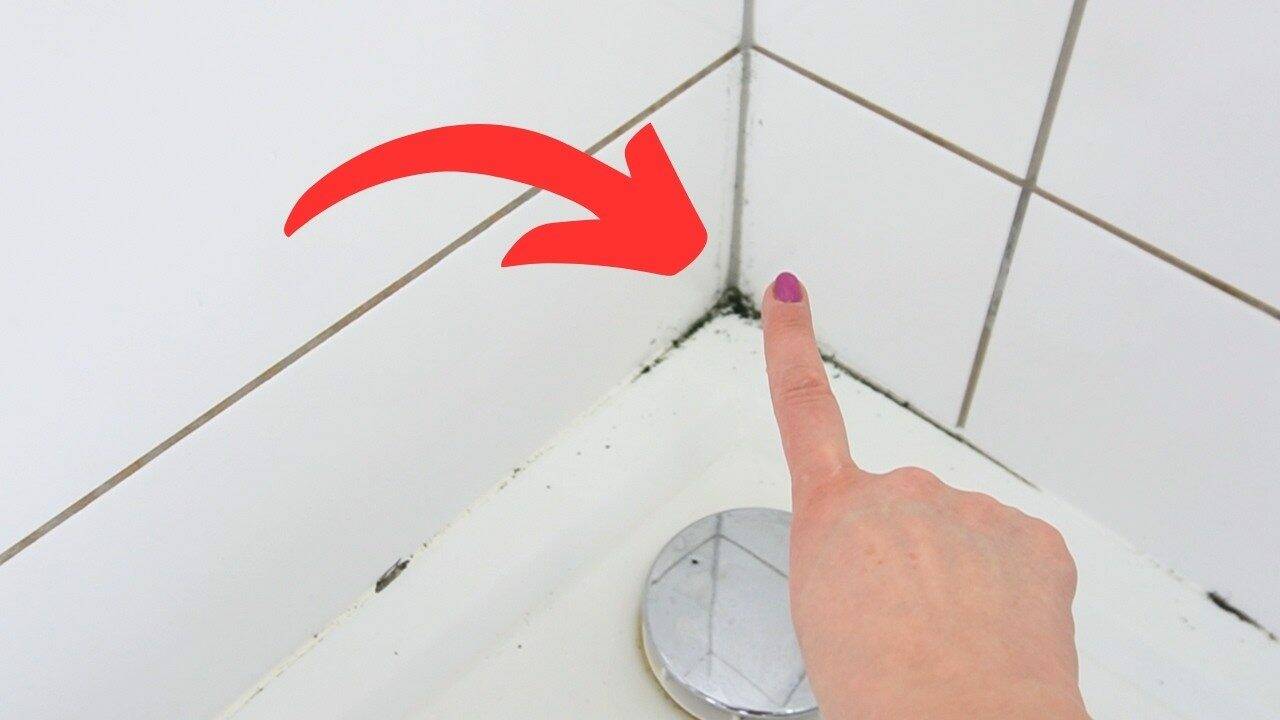
Mold and dark stains around shower grout and silicone seals can make even a clean bathroom look neglected. These marks usually develop in areas that remain damp, such as shower corners, tile joints, and the edges of the bathtub.
A simple mixture of lemon juice and salt may help loosen light surface staining, soap residue, and minor mildew marks. It is inexpensive, easy to prepare, and leaves the bathroom smelling fresh.
However, this natural remedy is best suited to small, superficial stains. It may not completely remove mold that has penetrated deeply into grout, silicone, or the wall behind the tiles.
Why Mold Appears in the Bathroom
Bathrooms provide ideal conditions for mold growth because they are often warm, humid, and poorly ventilated.
Common causes include:
- Water remaining on shower walls
- Damp grout and silicone
- Poor air circulation
- Leaking taps or shower fittings
- Soap residue and body oils
- Wet towels and bath mats
- Cracked or damaged sealant
Cleaning the visible stains is useful, but reducing moisture is essential if you want to prevent the problem from returning.
What You Will Need
Prepare the following:
- The juice of two lemons
- 1 tablespoon of salt
- A small bowl
- A clean spray bottle
- A spoon
- Plastic wrap
- A soft sponge or toothbrush
- Clean water
- A microfiber cloth
- Protective gloves
How to Prepare the Mixture
Squeeze the juice from two lemons into a bowl.
Add one tablespoon of salt and stir until the ingredients are well combined.
Pour the mixture into a clean spray bottle. Shake or swirl it gently before use because some salt may settle at the bottom.
Lemon juice contains citric acid, which can help dissolve mineral residue and loosen some surface grime. Salt adds a gentle abrasive effect when the area is wiped or brushed.
Step 1: Ventilate the Bathroom
Open a window or switch on the exhaust fan before cleaning.
Wear gloves and keep the room well ventilated throughout the process.
Step 2: Test the Surface
Apply a small amount of the mixture to an inconspicuous area.
Wait a few minutes and check for discoloration or surface damage.
Do not use lemon juice on marble, limestone, travertine, or other acid-sensitive natural stone. Citric acid can permanently dull or etch these materials.
Step 3: Spray the Affected Areas
Spray the mixture directly onto stained grout, silicone seals, and other suitable bathroom surfaces.
Apply enough to dampen the marks without flooding the area.
Avoid spraying electrical fixtures, damaged sealant, painted surfaces, or sensitive metal finishes.
Step 4: Cover with Plastic Wrap
Place a small piece of plastic wrap over the treated area.
The plastic helps keep the mixture in contact with the stain instead of allowing it to dry immediately.
Leave it in place for approximately 10 to 15 minutes.
Avoid leaving acidic mixtures on grout or silicone for extended periods, as repeated exposure may cause deterioration.
Step 5: Wipe or Brush Gently
Remove the plastic wrap.
Use a soft sponge or toothbrush to gently work over the stained area. The salt may help lift loosened residue, but avoid aggressive scrubbing.
Rough brushes and abrasive tools can damage grout and scratch bathroom surfaces.
Step 6: Rinse Thoroughly
Rinse the area with clean water to remove all traces of lemon juice and salt.
Salt residue should not be left on metal fixtures or grout because it may contribute to corrosion or surface damage.
Step 7: Dry Completely
Wipe the cleaned area with a dry microfiber cloth.
Leave the shower door or curtain open and continue ventilating the room until all surfaces are dry.
Keeping the area dry is one of the most effective ways to slow future mold growth.
Does Lemon Juice Kill Bathroom Mold?
Lemon juice may help with light surface mildew and staining, but it should not be considered a guaranteed mold treatment.
Claims that it removes a specific percentage of mold species are difficult to support in normal household conditions. Its effectiveness depends on the surface, the type of growth, and how deeply the mold has penetrated.
For persistent mold, a product specifically registered or approved for bathroom mold removal may be more appropriate.
Always follow the product label and never mix cleaning chemicals.
Important Safety Warning
Never mix lemon juice with:
- Bleach
- Chlorine-based cleaners
- Ammonia
- Toilet cleaners
- Hydrogen peroxide
- Commercial mold removers
Mixing acidic ingredients with bleach can release dangerous chlorine gas.
Use one cleaning method at a time and rinse the area thoroughly before applying a different product.
When This Remedy May Be Useful
The lemon-and-salt method may work best for:
- Light surface discoloration
- Fresh mildew marks
- Soap residue around grout
- Small stains on suitable ceramic tiles
- Routine bathroom maintenance
It is unlikely to solve:
- Deeply blackened silicone
- Crumbling grout
- Mold behind tiles
- Large mold-covered areas
- Structural water damage
- Mold that returns within days
When Silicone Should Be Replaced
If black staining has penetrated the silicone sealant, cleaning may not restore its original appearance.
Replacement is often the better option when:
- The silicone is cracked or peeling
- Dark stains remain after cleaning
- Water can enter behind the seal
- The seal feels loose or damaged
- Mold quickly returns
Remove the old sealant carefully, allow the area to dry completely, and apply a bathroom-grade, mildew-resistant silicone according to the manufacturer’s instructions.
How to Prevent Bathroom Mold
Prevention is more effective than repeated deep cleaning.
Improve Ventilation
Run the exhaust fan during showers and leave it on for approximately 20 to 30 minutes afterward.
Dry the Shower
Use a squeegee or microfiber cloth to remove water from tiles, glass, and grout after each use.
Leave the Shower Open
Keep the shower door or curtain open so air can circulate.
Repair Leaks
Fix dripping taps, damaged grout, and cracked silicone as soon as possible.
Wash Damp Fabrics
Clean and dry bath mats, towels, shower curtains, and liners regularly.
Clean Weekly
A light weekly cleaning can prevent soap scum and grime from building up around grout and silicone.
When to Contact a Professional
Professional help may be necessary when:
- Mold covers a large area
- It repeatedly returns after cleaning
- There is a strong musty odor
- Walls or ceilings feel damp
- Paint or plaster is peeling
- The source of the moisture is unknown
- Mold appears behind tiles or inside walls
Removing visible stains will not solve the problem if water continues to enter the structure.
Final Thoughts
A lemon-and-salt mixture can be a simple and inexpensive way to freshen suitable bathroom surfaces and reduce light mildew staining.
Apply it carefully, allow it to sit briefly, wipe gently, rinse thoroughly, and dry the area completely.
For lasting results, improve ventilation, remove moisture after showers, and replace damaged grout or silicone when necessary. Natural cleaning methods can help with routine maintenance, but serious or recurring mold requires attention to the underlying moisture problem.