1 Cup of Oats and 2 Apples! No Sugar! No Flour! Incredible Flavor!
# 1 Cup of Oats and 2 Apples! No Sugar! No Flour! Incredible Flavor!
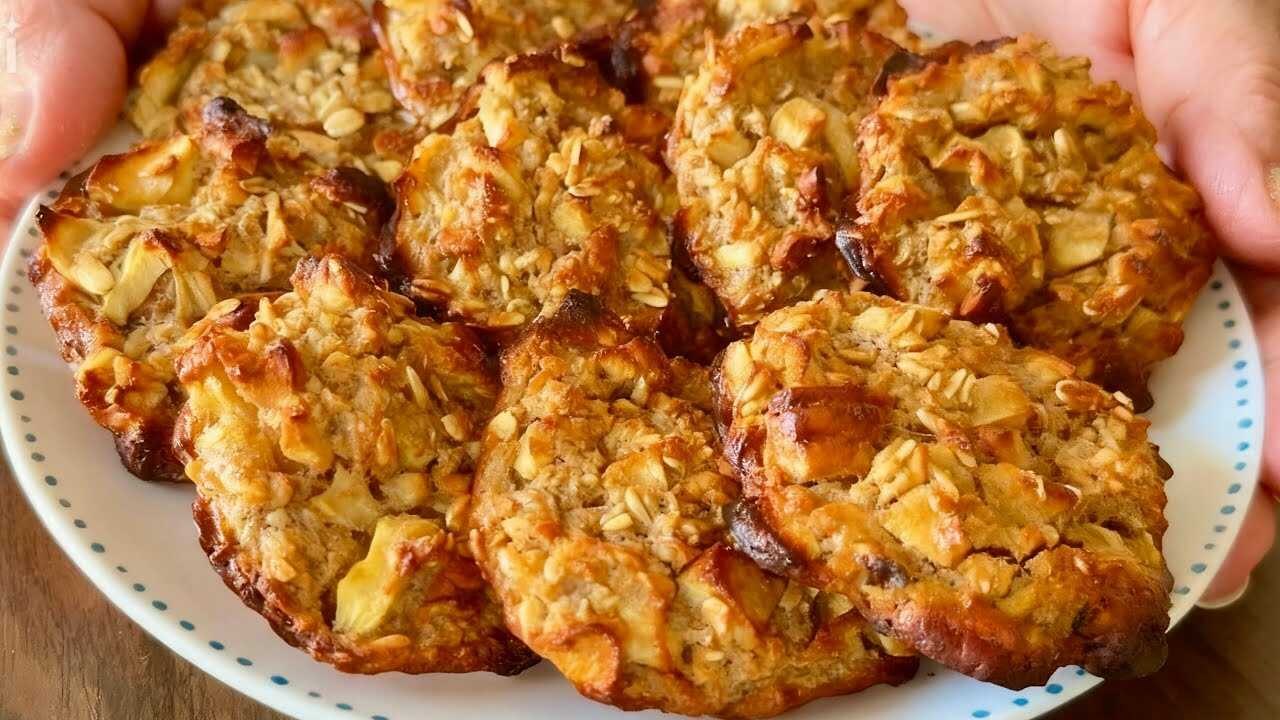
One cup of oats and two apples make an appealing starting point for a simple homemade dessert. The original Italian headline emphasizes incredible flavor without flour or added sugar, and the source introduction also mentions nuts. The remainder of the supplied article unexpectedly switches into household-cleaning advice, so those unrelated sections should not be used as baking instructions. This version stays focused on apples, oats, and the technique of preparing a moist fruit-and-oat dessert. Exact amounts beyond the cup of oats and two apples are not supplied reliably, so no additional measurements or baking temperatures are invented. The goal is to help you understand texture, mixing, resting, and doneness while preserving the recipe’s central idea.
## Why apples make this recipe appealing
Apples are the heart of this dessert. They provide aroma, natural sweetness, and moisture, which means the finished texture may be softer than a conventional sponge cake. The choice of apple matters: a tart variety creates a brighter flavor, while a sweet, ripe apple can reduce the need for extra sweetening. Wash the fruit carefully and remove the core before cutting or grating it. Pieces of a similar size cook more evenly. When the apple is grated, more juice enters the batter; when it is sliced, the finished dessert has more noticeable layers. Neither approach is universally better. Follow the cutting method in the original recipe.
## Understanding the flour-free claim
A dessert advertised as flour-free should not automatically be treated like a wheat-flour cake. Oats, eggs, fruit, nuts, and other ingredients can provide structure in different ways. Whole oats absorb moisture slowly, while finely ground oats behave more like a coarse flour. Eggs may bind the mixture as they set. Nuts contribute texture and richness but do not replace flour in a simple one-to-one ratio. Read the source ingredients closely before deciding that a substitution is appropriate. If a description lists wheat flour despite a flour-free headline, that discrepancy should be acknowledged rather than hidden or repeated as a guaranteed dietary claim.
## What no added sugar really means
A recipe without added white sugar can still taste pleasantly sweet because apples and other fruit contain naturally occurring sugars. This does not mean the dessert contains zero sugar or has no effect on blood glucose. Some versions include honey, syrups, dried fruit, or sweetened dairy products; those ingredients add sugars even if the headline says ‘no sugar.’ Anyone needing to monitor carbohydrate intake should consider the full ingredient list and serving size. For ordinary home baking, taste the fruit before adjusting sweetness. Ripe apples may provide enough flavor on their own, particularly when paired with cinnamon or vanilla.
## Moisture control is the real secret
The water content of apples changes from one batch to another. Very juicy fruit can make the mixture look looser than expected, while dry oats may gradually absorb the liquid. Do not immediately add an unlisted dry ingredient to ‘fix’ the texture. Give the mixture time to settle when the original instructions allow it, then evaluate whether it resembles the demonstrated consistency. If the recipe contains eggs, their size can also change the liquid balance. A batter for a soft apple dessert does not necessarily need to hold its shape like cookie dough. The desired finished texture is the important reference.
## Mixing without making the dessert heavy
Combine ingredients in the order given in the source rather than relying on a generic baking routine. If eggs need whisking, mix until they are uniform or until the stated volume is achieved. If the oats need soaking, allow them to absorb liquid before continuing. Fold apple pieces and nuts gently so they remain evenly distributed. Excessive mixing can crush the fruit or make the texture less pleasant. A spatula is often more useful than an electric mixer for the final stage. Scrape the sides and bottom of the bowl to avoid pockets of dry material.
## Choosing a pan and checking the oven
Pan dimensions affect how quickly a dessert cooks. A narrow, deep pan produces a thicker center than a wide, shallow one. If the original source specifies a pan size, stay close to it. Preheat the oven when baking is part of the recipe. Increasing the temperature to save time can brown the top before the center is set. Check the dessert near the end of the stated baking period, not repeatedly from the start. Some fruit-rich cakes remain slightly moist even when done, so a completely dry skewer is not always the only useful indicator.
## Preparing the ingredients in advance
Before mixing anything, set out the fruit, dry ingredients, any eggs or dairy, a mixing bowl, and the appropriate baking dish. Wash and dry the apples, measure the oats if they are used, and check the recipe for any soaking or resting step. Prepare the pan before the batter is ready, especially if a leavening ingredient is involved. A lined or lightly greased pan often makes unmolding easier, but the correct treatment depends on the dish. Keeping everything within reach prevents interruptions and makes the method easier to repeat. It also helps avoid accidentally adding the same ingredient twice.
## Recognizing the right texture
A fruit-heavy dessert may be tender, moist, or almost pudding-like in the middle. That does not automatically mean it is raw. Look for a stable center, cooked edges, and the texture shown in the source. If eggs are included, the mixture must be fully set rather than runny. If the recipe relies on oats, the interior may be denser than a wheat-flour sponge. The top can become lightly golden while the apple remains juicy underneath. Avoid extending the cooking time so long that the fruit dries out and the surface becomes hard.
## Cooling is part of the recipe
Allow the dessert to rest before cutting, especially when it contains plenty of fruit or a custard-like base. Heat keeps the interior soft, and immediate slicing can make a perfectly good dessert fall apart. After a brief rest, remove it from the pan only if it is firm enough to handle safely. A cooling rack can prevent steam from making the bottom soggy. If the source calls for refrigeration, treat that chilling time as part of the preparation rather than an optional extra. The best serving temperature depends on whether the dessert is cake-like, creamy, or chilled.
## Serving it simply
The main appeal of this recipe is the combination of apples and a few everyday ingredients. A complicated topping can hide the natural fruit flavor. For a warm dessert, a light dusting of cinnamon or a spoonful of plain yogurt can be enough if those additions fit the original style. For a chilled version, serve clean slices after the mixture has set. When nuts are part of the recipe, a small amount on top can add crunch. Avoid promising that a dessert is universally suitable for every diet; the actual ingredient list determines its nutritional characteristics.
## Common problems and their causes
If the center stays too wet, check whether the apples released more juice than expected, whether the pan was unusually deep, and whether the cooking time was sufficient. If the dessert is dry, it may have been overcooked or made with too many absorbent ingredients. A heavy texture can result from excessive mixing or an inappropriate substitution. Uneven slices often indicate that the mixture needed more cooling time. Change only one variable at a time when repeating the recipe, because several simultaneous changes make the cause difficult to identify.
## Storage and planning ahead
A dessert containing eggs, dairy, or a large amount of fresh fruit should generally be refrigerated after cooling. Store it covered so it does not absorb refrigerator odors or dry out. If the texture is delicate, place parchment between stacked slices. Reheat only the portion you intend to eat, and use gentle heat if you want to preserve moisture. A chilled slice may taste different from a warm one; both can be enjoyable, but the original serving suggestion should remain the starting point. Discard food that has been stored improperly.
## A realistic way to adapt the recipe
Once you have made the original version, you can consider small adjustments based on the apples available, the thickness of the mixture, and your preferred sweetness. Do not replace oats with wheat flour or omit eggs without considering their structural roles. Different nuts, spices, or apple varieties may be easier substitutions, but even those can alter moisture and texture. Keep notes about the pan size, how the batter looked, and the finished result. This creates a reliable personal version without changing the basic recipe that attracted you in the first place.
## Final thoughts
The strongest part of an apple dessert like this is its simplicity. Good fruit, sensible measurements, controlled moisture, and careful cooking matter far more than elaborate equipment. A catchy title may promise a surprisingly light or flour-free treat, but the details must come from the actual ingredient list. Follow the original method, avoid inventing missing measurements, and judge the result by its intended texture. With a little patience, a small collection of familiar ingredients can produce a comforting homemade dessert worth making again.