Potatoes and Zucchini Taste Better Than Meat! I’d Eat Them Every Day! Easy, Budget-Friendly Recipe!
# Potatoes and Zucchini Taste Better Than Meat! I’d Eat Them Every Day! Easy, Budget-Friendly Recipe!
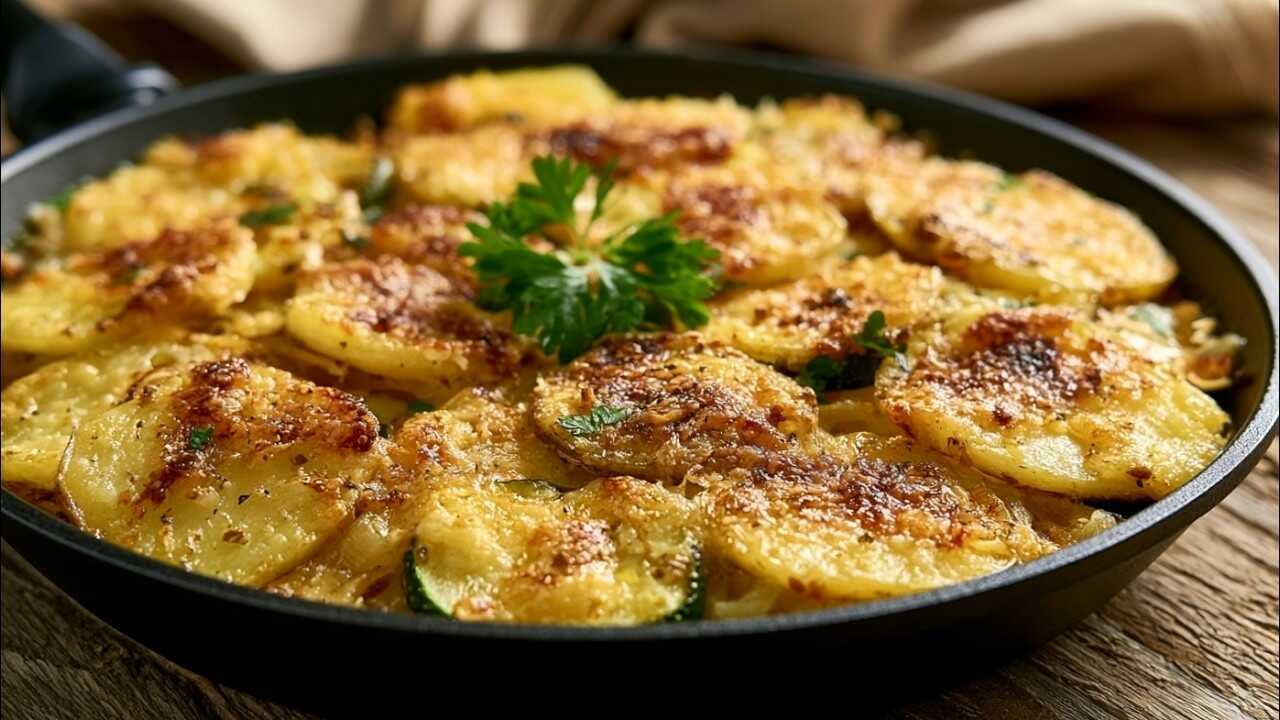
Potatoes and zucchini can make an inexpensive, satisfying vegetable meal with plenty of flavor. The original Italian title enthusiastically says the combination tastes better than meat and could be eaten every day. That is a personal taste comparison, not a claim that vegetables provide the same nutrients as meat. The source introduction identifies potatoes, zucchini, cheese, onion, and oil among the ingredients, but it does not provide a complete verified recipe with exact amounts. This article therefore focuses on the techniques that make such a dish work: preparing the vegetables, controlling excess water, balancing the binder and cheese, and cooking the center properly. It avoids inventing a temperature or preparation time that the source does not give.
## Why zucchini and potatoes work together
Zucchini brings a mild flavor and tender texture, while potatoes provide a satisfying body and natural starch. In a savory patty or vegetable bake, this combination can create a crisp exterior with a soft middle when moisture is managed well. Carrot adds a touch of sweetness and color, and onion, garlic, herbs, or cheese can deepen the flavor. The appeal is that these are familiar, inexpensive ingredients. The statement that the dish tastes ‘better than meat’ is a personal preference, not a nutritional equivalence. The goal is a delicious vegetable-centered meal.
## The importance of removing excess water
Zucchini contains a considerable amount of water. When grated, it may release liquid as soon as it is salted. If the recipe instructs you to rest and squeeze it, do not skip that stage. Use clean hands, a sieve, or a kitchen towel to remove free moisture without crushing the vegetable into a paste. Carrots usually contribute less water, but their size and freshness can still affect the mixture. For potatoes, the preparation method matters: grated potatoes can release liquid and starch, while cooked mashed potatoes need to be drained thoroughly before mixing.
## How to prepare the vegetables
Wash the zucchini, carrot, and potatoes, and peel only when necessary or directed by the source. Use a consistent grater size or cut the vegetables into similar pieces. Large, uneven chunks may remain firm when the rest of the dish is ready. If onion or garlic is included, chop it finely enough to distribute the flavor throughout the mixture. Fresh herbs are best added without excessive crushing. Keep vegetables separate until the correct mixing stage if some require draining or precooking. Good preparation makes the cooking itself much easier.
## Binding without wheat flour
A flour-free vegetable patty can still hold together, but it needs an appropriate structure. Depending on the original recipe, eggs, potato starch, cheese, or the natural starch in potatoes may help bind the mixture. The absence of wheat flour does not mean every alternative ingredient can be added freely. If the source uses eggs, keep the stated number. If it relies on the starch from potatoes, rinsing the grated potatoes excessively could change the result. Assess the mixture after removing excess vegetable water rather than adding flour automatically.
## The role of eggs and cheese
Eggs help bind vegetable mixtures because their proteins set during cooking. Cheese adds flavor, browning, and sometimes a creamy interior. Different cheeses behave differently: mozzarella is moist and melts easily, while a hard grated cheese contributes a more concentrated flavor with less water. If the recipe uses cheese, consider its salt content before adding extra seasoning. A very wet cheese may need draining. The goal is not to overwhelm the vegetables but to create a balanced texture in which each ingredient contributes something useful.
## Working with potatoes
Potatoes can play several roles. Grated raw potatoes can help form crisp-edged fritters, while cooked potatoes make a softer, more cohesive mixture. Cut or grate them evenly so they cook at the same rate. If the recipe uses cooked potatoes, allow excess steam to escape before adding eggs or cheese. If the mixture contains raw grated potatoes, do not leave it standing for a long time without checking for discoloration and moisture release. Avoid assuming that all potato varieties behave identically; some are waxy and hold their shape, while others break down more easily.
## Seasoning carefully
Zucchini and potatoes are mild enough to work with many seasonings, but they need balance. Salt, black pepper, paprika, garlic, and parsley are common choices. Season the mixture evenly rather than placing all the spices in one area. If a salty cheese or prepared ingredient is included, reduce additional salt accordingly. Taste only ingredients that are safe to eat before cooking; never sample a mixture containing raw eggs or raw meat. A fresh yogurt-based sauce can be served separately if the source includes one, helping the crisp surface stay intact.
## Forming evenly sized portions
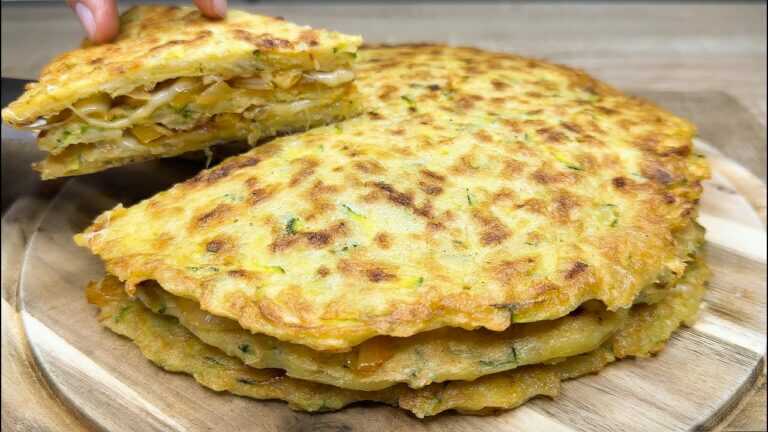
For fritters, use similar amounts of mixture for each portion and flatten them to a consistent thickness. Very thick patties may brown on the outside before the middle cooks, while extremely thin ones can become dry. For a vegetable bake, spread the mixture evenly in the pan and avoid making one corner much deeper than the others. Press just enough to hold the shape; excessive compression can produce a dense result. If the mixture will not hold together, check moisture and the intended binder before making major changes.
## Pan cooking and browning
When pan-frying is part of the recipe, preheat the pan appropriately and add the amount of fat indicated by the source. Avoid overcrowding, because too many portions can lower the temperature and encourage steaming rather than browning. Wait until the first side has developed a stable crust before turning. Flipping too early is a common reason vegetable patties break apart. A moderate heat often provides better control than maximum heat. Watch the center as well as the surface, especially when raw potatoes or eggs are present.
## Oven cooking and baking dishes
If the original recipe uses an oven, follow its stated temperature and cooking time rather than transferring settings from another vegetable dish. A wider pan creates a thinner layer and may cook faster than a deep casserole. An oven-safe dish with suitable lining or a little fat can make serving easier. A browned top is encouraging but does not prove the middle is fully cooked. Check that potatoes are tender, any eggs are set, and the mixture holds together. Resting briefly after baking can make portions easier to lift.
## Achieving crispness without drying out
Crispness comes from controlled moisture, adequate heat, and enough space around the food. Squeezing grated zucchini when directed helps, but removing all moisture can make the finished dish unpleasantly dry. Patting the surface dry before cooking may also improve browning. Avoid turning portions repeatedly. Once cooked, transfer fritters to a rack rather than stacking them immediately, since trapped steam can soften the crust. For a bake, a short rest helps the center stabilize, but the dish is often most enjoyable while still warm.
## Serving suggestions
These vegetables can be served as a simple lunch, a light dinner, or a side dish. A yogurt and herb sauce pairs well with crisp fritters, while a vegetable bake may need only a salad. Keep sauces separate when crispness is important. Fresh parsley, chives, or a small amount of lemon can brighten the flavor without hiding the zucchini and potatoes. If the title emphasizes affordability, choose everyday accompaniments rather than expensive garnishes. The best presentation is often the simplest: evenly cooked portions with visible vegetable texture.
## Troubleshooting common mistakes
A watery mixture usually indicates excess liquid from zucchini, potatoes, or cheese. Patties that fall apart may have been flipped too early or may lack the binder used in the source. Dark surfaces with firm raw centers suggest excessive heat or overly thick portions. A bland result may need more balanced seasoning, but adding salt before squeezing zucchini can also affect the final taste. If a bake collapses when cut, it may need more cooking or a short rest. Make one adjustment at a time when repeating the dish.
## Keeping and reheating leftovers
Because vegetable patties and bakes may contain eggs or dairy, cool leftovers promptly and refrigerate them in a covered container. If you want to preserve crispness, reheat in an oven or suitable pan rather than relying solely on a microwave. Reheat until hot throughout. Avoid stacking warm fritters in a sealed container, where steam will make the crust soggy. Sauces containing yogurt should be kept chilled separately. Freshly prepared portions usually have the best texture, so consider cooking only what you need.
## A sensible approach to substitutions
Changing the vegetable ratio, replacing cheese, or omitting eggs can significantly affect texture. If you are making the recipe for the first time, use the source as your guide. After that, try one small adjustment and observe the result. A different carrot size or potato variety may require more attention to moisture, but it does not justify inventing precise quantities. The key is to understand what each ingredient does: vegetables provide flavor, starch helps structure, eggs can bind, and cheese adds richness.
## Final thoughts
This is the kind of home cooking that depends more on good technique than on unusual ingredients. Whether the recipe becomes fritters or a baked vegetable dish, careful cutting, moisture control, balanced seasoning, and thorough cooking make the biggest difference. A catchy title can communicate how much someone enjoys the result, but the preparation should remain realistic and reproducible. Use the ingredient list and method from the original source, adapt only when necessary, and give the finished dish enough time to develop its intended texture.