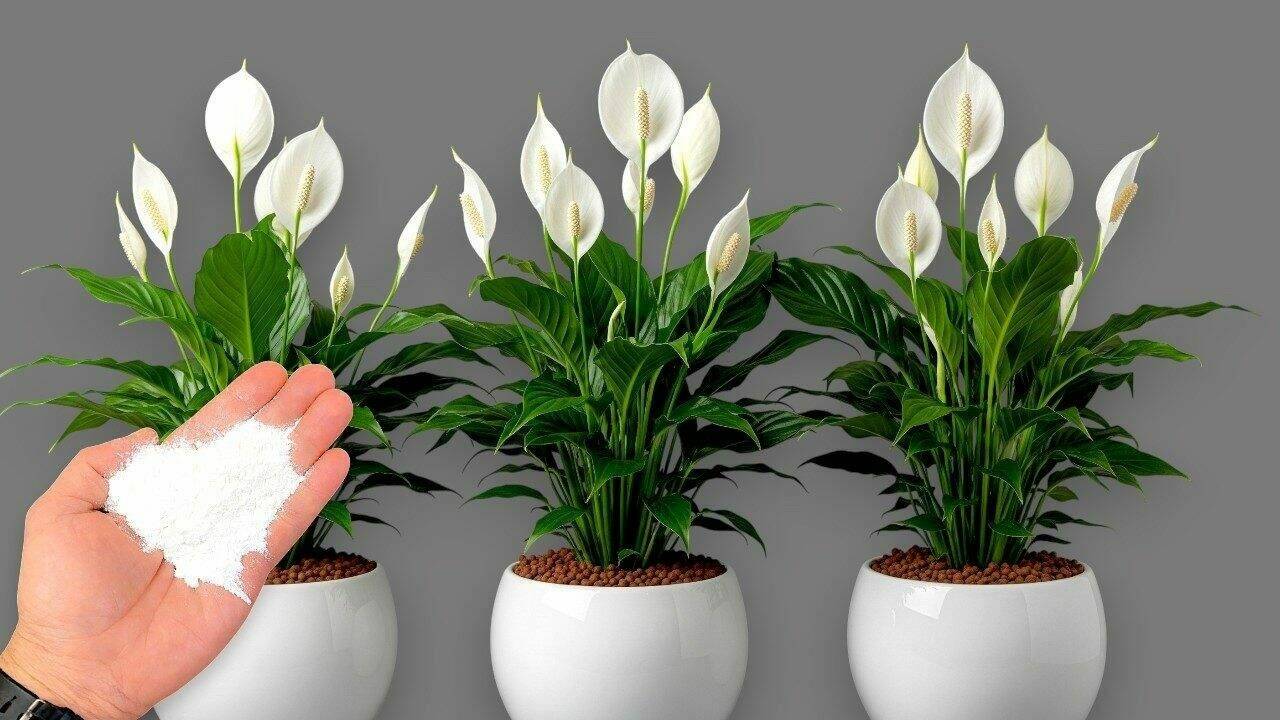
1 Cup Once a Week! Help Your Peace Lily Grow Lush Green Leaves and Bloom More Naturally
1 Cup Once a Week! Help Your Peace Lily Grow Lush Green Leaves and Bloom More Naturally
The Peace Lily (Spathiphyllum) is one of the world’s most popular indoor plants. Loved for its elegant white blooms and glossy green foliage, it can brighten almost any room with very little maintenance.
However, even healthy-looking peace lilies sometimes stop flowering. Their leaves may droop, turn yellow, or lose their vibrant color, leaving many plant owners wondering what went wrong.
The good news is that most struggling peace lilies can recover with proper care. Healthy roots, the right soil, consistent watering, and suitable lighting all play an important role. Some home gardeners also use a homemade rice and bay leaf infusion as a supplemental plant tonic, although there is currently little scientific evidence confirming its effectiveness as a fertilizer.
Here’s how you can help your Peace Lily regain its healthy appearance.
Start by Inspecting the Entire Plant
Before adding fertilizer or changing your watering routine, check the overall condition of your plant.
Carefully remove the Peace Lily from its pot and inspect:
- the root system
- the stems
- the leaves
Remove anything that is no longer healthy, including:
- yellow or damaged leaves
- dried foliage
- soft, black, or rotten roots
Pruning unhealthy tissue allows the plant to focus its energy on producing new roots and healthy leaves.
After pruning, gently rinse the remaining roots with clean water and allow them to air dry for a short time before repotting.
A Homemade Rice and Bay Leaf Infusion
Many home gardeners prepare a simple infusion using ingredients commonly found in the kitchen.
You’ll need:
- 3 tablespoons of uncooked rice
- 3 dried bay leaves
- about 2 cups (500 ml) of hot water
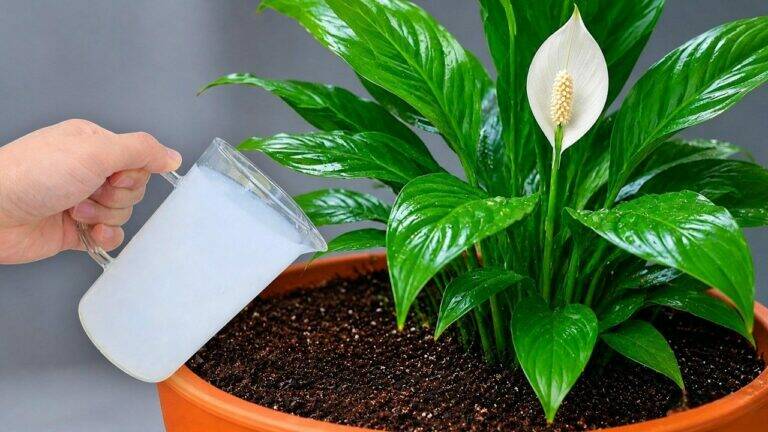
Blend or crush the rice and bay leaves, pour hot water over them, stir well, and let the mixture steep for about one hour.
Strain the liquid thoroughly and dilute it with approximately 1 liter (about 4 cups) of clean water before use.
While many plant enthusiasts enjoy using this homemade mixture, it should be viewed as a supplement rather than a replacement for a balanced fertilizer designed specifically for houseplants.
Give the Roots a Gentle Soak
Once the solution has been prepared, soak the roots of the Peace Lily for about 15 minutes before repotting.
You can also dampen a soft microfiber cloth with the same solution and gently wipe both sides of the leaves.
Cleaning dust from the foliage allows more light to reach the leaf surface, which supports efficient photosynthesis and keeps the plant looking fresh.
Choose the Right Potting Mix
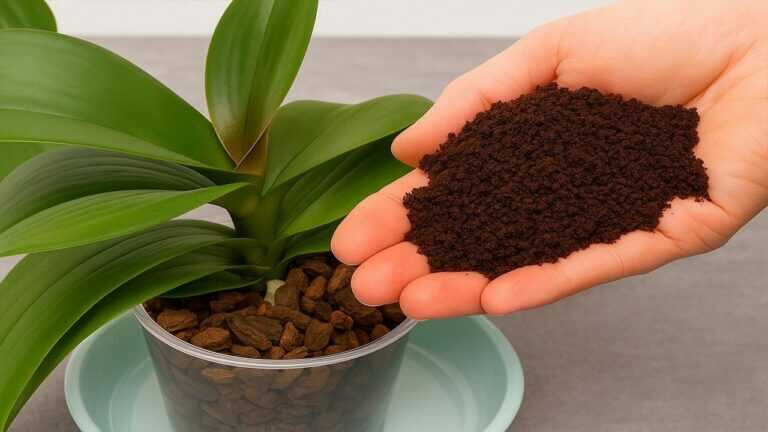
Peace Lilies thrive in loose, moisture-retentive soil that also drains well.
A simple growing medium can include:
- 50% high-quality indoor potting mix
- 50% coconut coir
This combination retains enough moisture for healthy growth while allowing air to circulate around the roots.
Good drainage is essential because constantly waterlogged soil can quickly lead to root rot.
Repot Carefully
When repotting:
- Add a layer of fresh potting mix to the bottom of the container.
- Position the plant in the center.
- Fill around the roots with additional soil.
- Gently firm the soil without compacting it too much.
Water lightly after repotting, using either clean water or your prepared rice infusion.
Keep Moisture Consistent
Unlike many drought-tolerant houseplants, Peace Lilies prefer evenly moist soil.
Allow the top layer of soil to dry slightly between waterings, but avoid letting the entire root ball dry out.
At the same time, don’t allow the pot to sit in standing water for extended periods, as overly wet conditions encourage root diseases.
If your home has dry air, increasing humidity around the plant may also improve leaf health.
Ideal Growing Conditions for Peace Lilies
Bright Indirect Light
Place your Peace Lily near a bright window where it receives filtered sunlight.
Strong afternoon sun may scorch the leaves, while insufficient light can reduce flowering.
Temperature
Peace Lilies perform best between 65°F and 80°F (18°C–26°C).
Protect them from cold drafts and sudden temperature changes.
Humidity
These tropical plants naturally appreciate moderate to high humidity.
Occasional misting or placing the pot near a humidifier can be beneficial in dry indoor environments.
When Will You See Results?
Recovery depends on the condition of the plant.
With proper care, many Peace Lilies begin producing:
- fresh green leaves
- stronger root systems
- healthier overall growth
Flower production varies depending on the plant’s age, available light, seasonal conditions, and regular fertilization. For that reason, no method can guarantee year-round blooming.
Extra Tips for More Flowers
To encourage healthy growth and blooming:
- Remove faded flowers as soon as they finish blooming.
- Wipe dust from the leaves regularly.
- Repot every two to three years if the plant becomes root-bound.
- Feed with a balanced flowering houseplant fertilizer according to the manufacturer’s instructions.
- Avoid direct afternoon sunlight.
- Never allow the roots to remain waterlogged.
Final Thoughts
A thriving Peace Lily doesn’t depend on miracle ingredients—it depends on consistent care.
Healthy roots, appropriate watering, bright indirect light, and well-draining soil are the foundation of a vigorous plant.
Homemade rice and bay leaf infusions are popular among many home gardeners and may serve as an interesting addition to your plant care routine. However, they should complement—not replace—a quality potting mix, proper watering practices, and a balanced fertilizer.
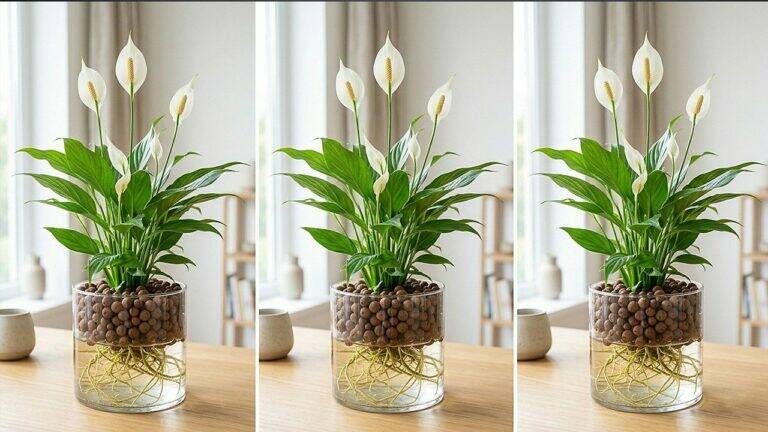
With patience and regular care, your Peace Lily can reward you with lush green foliage and beautiful white blooms for years to come.