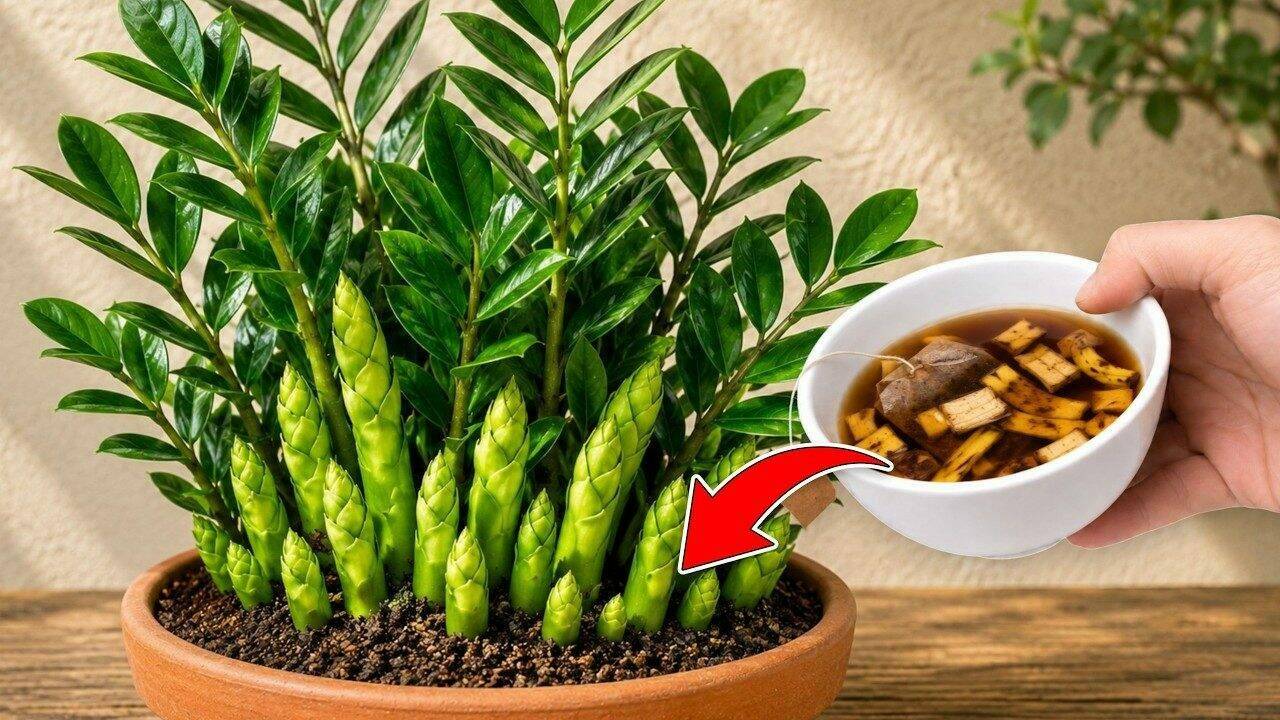
🌿 Just One Tablespoon a Week! Help Your ZZ Plant Grow Faster with This Simple Homemade Plant Tonic
Just One Tablespoon a Week! Help Your ZZ Plant Grow Faster Naturally
The ZZ plant (Zamioculcas zamiifolia) has earned a reputation as one of the easiest houseplants to grow. Its glossy leaves, drought tolerance, and ability to thrive in low light make it a favorite for both beginners and experienced indoor gardeners.
Even this hardy plant, however, can occasionally stop growing. You may notice yellowing leaves, weak stems, or months passing without a single new shoot.
Fortunately, slow growth doesn’t always mean your plant is dying. With proper care and a few simple adjustments, your ZZ plant can often recover and begin producing healthy new growth again.
Some gardeners also enjoy using homemade plant infusions made from common kitchen ingredients as a supplement to regular care. While these mixtures are popular among houseplant enthusiasts, they should not replace a balanced fertilizer specifically formulated for indoor plants.
Here’s how you can give your ZZ plant the best chance to thrive.
Why Has Your ZZ Plant Stopped Growing?
Several factors can slow or completely stop new growth.
The most common causes include:
- Overwatered or extremely dry soil
- Nutrient deficiencies
- Weak or damaged roots
- Aging or yellowing foliage
- Stress after repotting or moving the plant
Before adding any fertilizer, inspect the entire plant.
Remove:
- yellow leaves
- damaged stems
- dried foliage
Pruning unhealthy growth allows the plant to redirect its energy toward producing new shoots and healthy roots.
Water the Soil Before Feeding
A simple but often overlooked step is watering the soil lightly before applying any fertilizer.
Moist soil helps protect the roots and allows nutrients to spread more evenly throughout the growing medium.
Never apply concentrated fertilizers to completely dry soil, as this may stress sensitive roots.
A Simple Homemade Banana Peel and Tea Infusion
Many home gardeners prepare an easy plant tonic using ingredients that would otherwise end up in the compost bin.
You’ll need:
- 1 banana peel
- 2 tea bags
- About 2 cups (500 ml) of hot water
- 4 cups (1 liter) of clean water for dilution
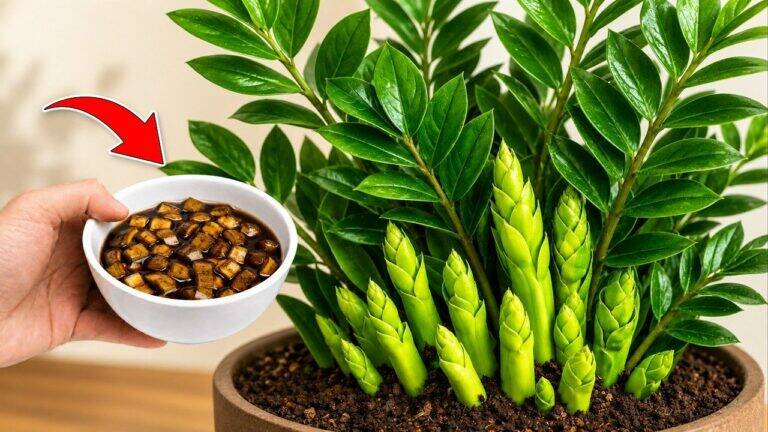
Cut the banana peel into small pieces and place them in a clean container.
Add the contents of the tea bags, pour in the hot water, stir well, and allow the mixture to steep for 30 to 60 minutes.
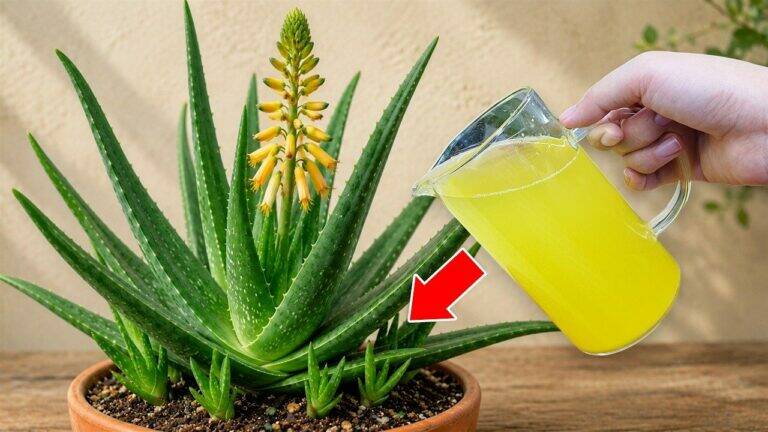
Strain the liquid thoroughly and dilute it with one liter of clean water before use.
Although this homemade infusion is popular among plant lovers, it should be considered an occasional supplement rather than a complete fertilizer.
Three Ways to Use the Solution
1. Clean the Leaves
Dip a soft microfiber cloth into the diluted solution and gently wipe both sides of each leaf.
Cleaning the foliage removes dust that blocks sunlight and helps maximize photosynthesis while restoring the leaves’ natural shine.
Repeat about once each week, preferably in the morning.
2. Water Around the Roots
Pour the solution slowly around the base of the plant.
Avoid soaking the soil.
ZZ plants store water inside their underground rhizomes, making them highly susceptible to overwatering.
The soil should remain slightly moist—not saturated.
3. Light Foliar Spray
If any solution remains, transfer it to a spray bottle.
Apply a very light mist to the leaves and stems.
Avoid spraying during the hottest part of the day or late in the evening when prolonged moisture may encourage fungal problems.
Don’t Throw Away the Tea Leaves
Used tea leaves can still have value in the garden.
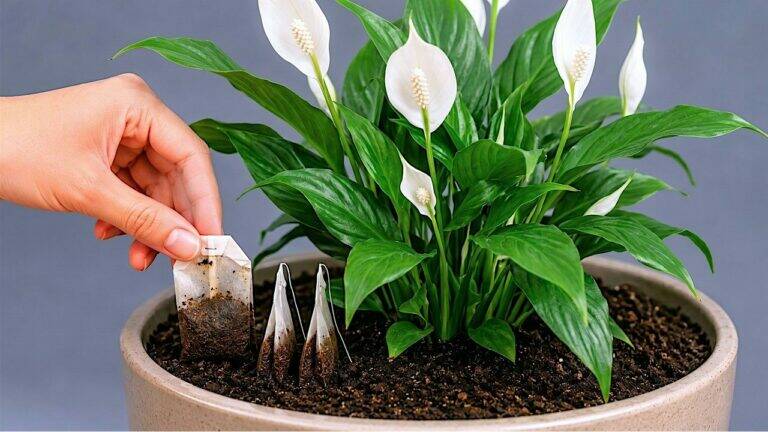
Allow them to dry completely before lightly mixing a small amount into the top layer of potting soil.
This should only be done occasionally—about once every three to four weeks—to avoid excessive organic buildup in the container.
Storing Leftover Solution
If you prepare more solution than you need, pour it into a clean, sealed bottle and store it in the refrigerator.
For best quality, use it within three to five days.
Before watering your plant, allow the solution to return to room temperature.
The Best Growing Conditions for ZZ Plants
Homemade plant tonics work best when combined with proper care.
Light
ZZ plants prefer bright, indirect light but tolerate lower-light environments remarkably well.
Avoid prolonged direct afternoon sun, which may scorch the leaves.
Watering
Allow the soil to dry partially between waterings.
Overwatering remains the leading cause of root and rhizome rot.
Temperature
Ideal temperatures range between 65°F and 80°F (18–27°C).
Protect the plant from cold drafts and sudden temperature changes.
Soil
Choose a loose, fast-draining potting mix designed for houseplants or succulents.
Good drainage is essential for long-term root health.
When Can You Expect Results?
Plant recovery depends on growing conditions and the overall health of the root system.
With consistent care, many growers notice gradual improvements over the following weeks, including:
- deeper green foliage
- shinier leaves
- stronger stems
- healthier roots
- fresh new shoots
Growth rates vary depending on light, temperature, watering habits, and the plant’s age, so patience is essential.
Extra Tips for a Healthier ZZ Plant
For the best long-term results:
- Rotate the pot occasionally for even growth.
- Dust the leaves regularly.
- Repot every two to three years if the roots outgrow the container.
- Feed with a balanced houseplant fertilizer during the active growing season.
- Avoid watering on a fixed schedule—always check the soil first.
Final Thoughts
The ZZ plant is naturally resilient, but even the toughest houseplants occasionally need a little extra care.
Healthy roots, well-draining soil, careful watering, and adequate light remain the most important factors for vigorous growth.
A homemade banana peel and tea infusion can be an interesting addition to your plant care routine, especially if you enjoy using kitchen scraps in the garden. However, it should complement—not replace—a complete fertilizer and consistent maintenance.
With patience and proper care, your ZZ plant can reward you with glossy foliage, sturdy stems, and healthy new growth for many years.