Brilliant idea | How to grow mint from recycling plastic bags for beginners
Brilliant idea | How to grow mint from recycling plastic bags for beginners
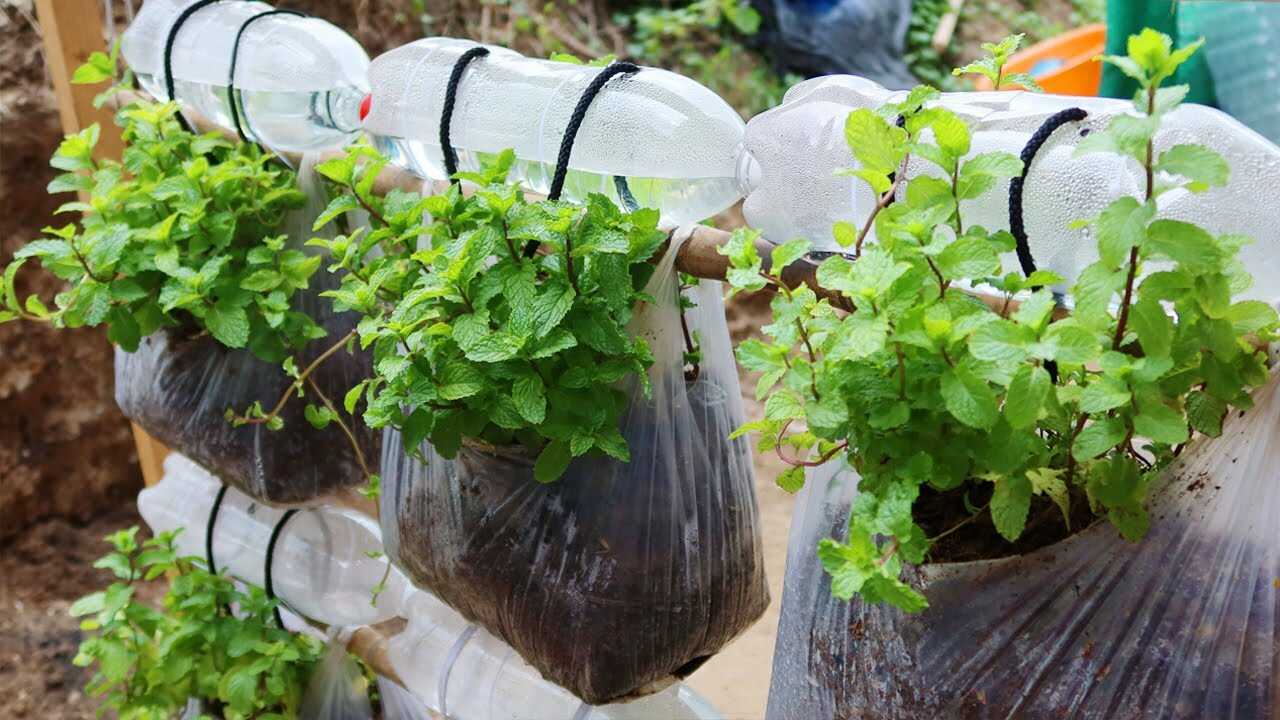
In the photo you can see bright green mint thriving in clear plastic shopping bags that have been repurposed as hanging planters. This guide shows how to turn those thin plastic bags into efficient, space-saving containers that keep moisture for mint’s thirsty roots, while giving step‑by‑step, fact-based care so your mint fills out in several weeks.
Why plastic bags work for mint (and what to watch for)
Mint prefers consistently moist, well‑drained soil and responds well to containers. Thin clear plastic bags help by reducing evaporation and acting like a small moisture-retaining pot, which can be especially useful in warm weather. That moisture retention supports mint’s growth because mint roots need steady water for vigorous leaf production. However, plastic also reduces airflow and can overheat or retain too much water if not prepared correctly—so we’ll add drainage and a correct soil mix to avoid rot.
Materials you’ll need (from the photo and extras)
- Clear plastic shopping bags (clean, food‑grade if possible)
- High‑quality potting mix, compost and perlite (see recipe below)
- Small branch, dowel or rod for hanging multiple bags
- A few plastic bottles or straps for support (optional, as seen in the image)
- Scissors, small drill or awl to make holes, and string or cable ties
- Balanced water‑soluble fertilizer or slow‑release granular fertilizer
Prepare the recycled bag planters — step by step
- Inspect and clean bags: use bags that held food or were otherwise clean. Rinse and air dry. Discard bags that held harmful chemicals.
- Create drainage: fold the bag flat, pinch the bottom and make 4–6 small holes (3–5 mm) with scissors or an awl so excess water can escape. Without drainage, mint roots will rot.
- Make a base layer: add 1–2 cm of coarse grit or small stones at the bottom to keep holes from clogging and improve drainage.
- Mix the potting medium: combine 60% sterile potting mix, 30% well‑matured compost, and 10% perlite. This blend gives organic nutrition, moisture retention, and aeration—key for mint roots.
- Fill and plant: fill the bag so the soil column is about 2–3 litres (bag half to three‑quarters full). Plant a young mint cutting or 7–10 cm plug so the crown sits slightly below the bag rim for watering space.
- Hang and support: tie or loop the bag handles over a horizontal bar (branch, rod) so air can circulate around the bag and leaves hang freely, as shown in the image.
- Optional water reservoir: if you use small bottles like in the photo, mount them above and puncture a small hole to act as a slow drip reservoir. Test and adjust to avoid overwatering.
Watering, feeding and seasonal doses (precise and practical)
For a typical 2–3 litre bag planter:
- Initial watering: water thoroughly with 250–300 ml until you see a small amount drain from the bottom holes.
- Regular watering: in warm months, expect to water ~every 2–3 days with 200–250 ml per bag; in cooler months, every 5–7 days with 150–200 ml. Always check the top 2 cm — water when it feels dry.
- Fertilizer (growing season spring–summer): use a balanced water‑soluble fertilizer at half the manufacturer’s label strength. For a 2–3 L bag, apply ~50 ml of the diluted solution per bag every 2 weeks. Alternatively, mix one teaspoon (≈4 g) of balanced slow‑release granular fertilizer into the top 2–3 cm of soil per bag at planting and again every 3 months.
- Pruning: trim or harvest regularly to encourage bushy growth. Pinch tips every 2–3 weeks during the season.
Realistic timeline you can expect
Mint is quick to establish in containers. Expect rooting and visible establishment within 2–4 weeks, with fuller, bushier growth and a good harvestable canopy in 4–8 weeks. These are realistic, consistent timelines—not “instant” fixes.
Practical tips from experience
- Keep mint in bright, indirect light or morning sun and afternoon shade; too much hot direct sun can stress leaves in thin plastic containers.
- Rotate bags occasionally so all sides receive equal light and the plant grows evenly.
- If humidity builds up inside the bag (condensation), open the top slightly on hot days to improve air exchange and prevent fungal issues.
- Divide and refresh soil every 9–12 months to prevent compaction and nutrient depletion—mint is vigorous and benefits from fresh medium.
Common mistakes to avoid (real botanical issues)
- Overwatering without drainage: plastic bags trap moisture—without holes or coarse base, roots suffocate and rot. Always include drainage holes.
- Using contaminated bags: anything that held pesticides, oil or strong chemicals can harm plants and contaminate herbs. Use clean, food‑grade bags only.
- Ignoring airflow: closed bags plus hot sun can overheat roots; hang bags with space between them and add vents if necessary.
- Underfeeding in shallow soil: mint is a heavy feeder when grown densely. Follow the feeding schedule above to avoid pale, weak leaves.
Conclusion — your action plan
Recycling clear plastic bags into hanging mint planters is an effective, low‑cost way to grow abundant mint in small spaces. Use clean bags, add drainage and a balanced soil mix, water with measured volumes, and follow the feeding schedule. Expect solid results over several weeks, trim regularly for bushy growth, and replace soil annually. Try one bag as a starter this weekend—plant, water with 250 ml, and check back in a few weeks to watch your mint flourish.