
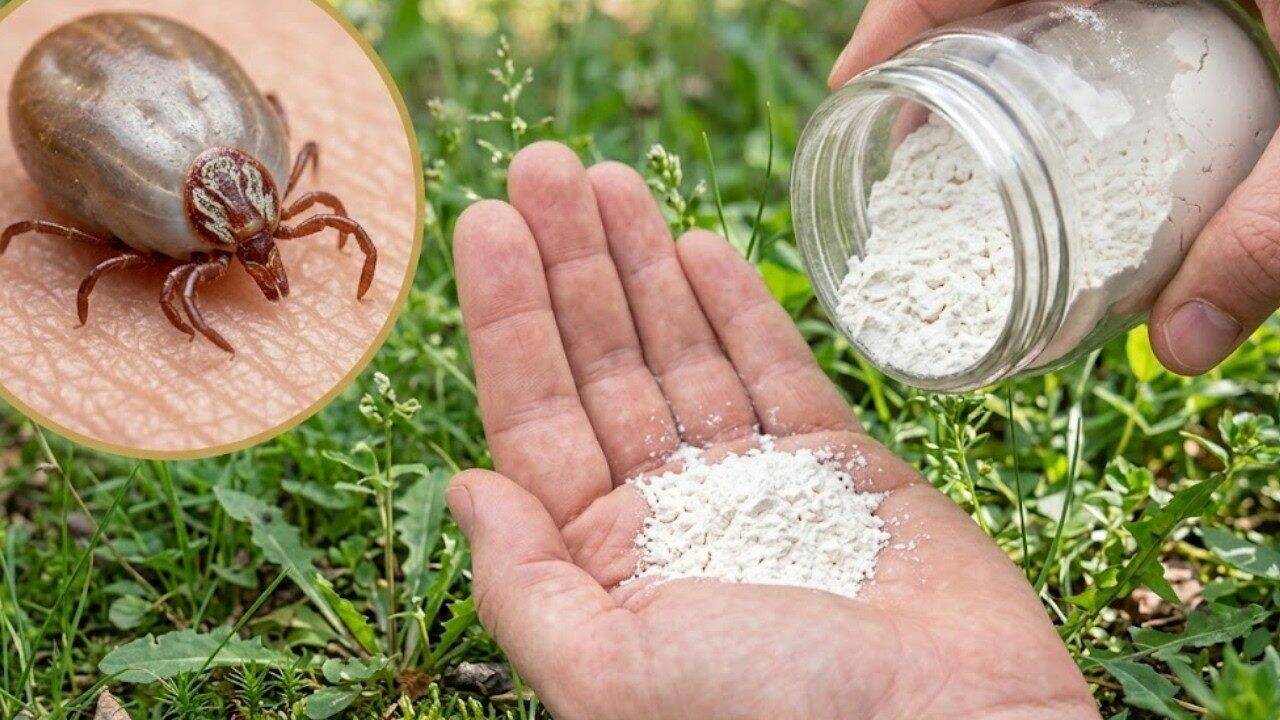
Get Rid of Ticks in Your Yard — This Simple Homemade Trick Keeps Them Away
Get Rid of Ticks in Your Yard — This Simple Homemade Trick Keeps Them Away
Ticks can turn a relaxing afternoon in the garden into a serious concern. They often hide in tall grass, leaf piles, shrubs, and shaded areas, waiting to attach themselves to people or animals.
A homemade aromatic spray may help make certain outdoor areas less attractive to ticks, but it should be used as an additional precaution—not as a guaranteed replacement for approved tick repellents.
A Simple Rosemary Yard Spray
Rosemary has a strong herbal scent that is commonly used in homemade insect-repellent mixtures.
Ingredients
- 500 ml warm water
- 2 tablespoons ground coffee
- 15 to 20 drops of rosemary essential oil
- A spray bottle
- A fine strainer or clean cloth
Instructions
Place the ground coffee in a heat-resistant container and pour the warm water over it.
Allow the mixture to steep for approximately 10 to 15 minutes so the coffee releases its aroma.
Strain the liquid carefully to remove all coffee grounds. This is important because small particles may block the spray nozzle.
Once the liquid has cooled, add the rosemary essential oil and mix thoroughly.
Pour the solution into a clean spray bottle and shake well before every use.
Where to Spray It
Apply the mixture around outdoor areas where ticks may hide or enter frequently, including:
- Around patios and terraces
- Along garden paths
- Near doorways
- Around outdoor seating areas
- Along the edges of tall grass
- Near shrubs and shaded corners
Do not spray it directly onto flowers, delicate plants, pets, children’s toys, food, or outdoor eating surfaces.
Because homemade mixtures lose their scent quickly, reapply after rain or every few days.
Another Traditional Herbal Method
A strong herbal infusion can also be prepared using aromatic plants.
Place several rosemary sprigs in a heat-resistant jug and cover them with hot water. Let the mixture steep for approximately 30 minutes.
Once completely cool, strain it and transfer it to a spray bottle. It can then be applied around doors, garden paths, patio edges, and other outdoor areas.
This infusion has a milder aroma than essential-oil mixtures and should be prepared fresh regularly.
The Most Effective Way to Reduce Ticks
A spray alone will not eliminate ticks from a yard. The most reliable approach is to make the environment less suitable for them.
Keep the lawn trimmed, remove fallen leaves, clear dense vegetation, and move piles of wood away from the house. Create a dry border of gravel or wood chips between wooded areas and frequently used parts of the garden.
Ticks commonly live in grassy, brushy, or wooded areas, and people can encounter them in their own yards. The CDC recommends reducing exposure, checking the body after outdoor activities, and treating clothing or equipment with products containing 0.5% permethrin when appropriate.
For protection on exposed skin, use an EPA-registered repellent that specifically lists ticks on its label. Follow the application and age instructions carefully.
Important Safety Warning for Pets
Do not apply homemade essential-oil sprays directly to a dog or cat unless a veterinarian has approved the exact ingredients and concentration.
Concentrated essential oils can be harmful to pets through skin contact, inhalation, or ingestion. The ASPCA advises avoiding direct application because safety varies considerably depending on the oil, concentration, formulation, and animal.
Use veterinarian-recommended flea and tick prevention products for pets instead.
Check Yourself After Spending Time Outside
Even after using preventive measures, examine:
- Ankles and legs
- Behind the knees
- Around the waist
- Under the arms
- Behind the ears
- Around the hairline
- Pets’ ears, paws, neck, and belly
Shower soon after returning indoors and wash outdoor clothing when possible.
Final Thoughts
A rosemary and coffee spray can add a strong aroma around patios, garden paths, and entrances, but homemade mixtures cannot promise complete protection from ticks.
For the best results, combine regular yard maintenance, protective clothing, routine tick checks, EPA-registered repellents, and veterinarian-approved protection for pets. Together, these measures can make your garden safer and more comfortable throughout tick season.