How to Propagate Hydrangeas: A Complete Beginner’s Step-by-Step Guide
How to Propagate Hydrangeas: A Complete Beginner’s Step-by-Step Guide
If you’ve ever wanted to grow more hydrangeas without buying new plants, propagation is one of the easiest and most rewarding techniques to learn. Whether you’re working with softwood cuttings in spring or hardwood cuttings during winter, you can successfully create healthy new plants with just a few simple steps.
This comprehensive guide explains the best time to propagate hydrangeas, the differences between softwood and hardwood cuttings, how to root them successfully, and the care they need afterward.
When Is the Best Time to Propagate Hydrangeas?
The ideal time depends on the type of cutting you’re taking rather than a specific calendar date.
Softwood Cuttings
Collect softwood cuttings from late spring through early summer (typically May to July). During this period, stems are young, flexible, and root quickly.
Hardwood Cuttings
Take hardwood cuttings from late autumn through mid-winter (roughly October to February), after the plant has gone dormant and dropped its leaves.
Keep in mind that local climate plays an important role. Gardeners in warmer regions may begin earlier, while those in cooler climates may need to wait a little longer.
Softwood vs. Hardwood Cuttings
Softwood Cuttings
Softwood cuttings come from fresh, green growth produced during the current season.
Advantages:
- Root much faster
- Higher success rate in warm conditions
- Easy to prepare
Disadvantages:
- More sensitive to drying out
- Require higher humidity
Best taken between May and July.
Hardwood Cuttings
Hardwood cuttings are taken from mature stems after the growing season has ended.
Advantages:
- Stronger and more durable
- Less sensitive to handling
- Excellent long-term survival
Disadvantages:
- Slower rooting
- May not begin growing until spring
Best taken between October and February.
How to Propagate Hydrangeas from Softwood Cuttings
Step 1 – Choose a Healthy Stem
Select a vigorous, disease-free hydrangea with fresh green shoots.
Cut a healthy stem measuring approximately 4 to 6 inches (10–15 cm) long. Avoid stems with flowers, discoloration, or signs of disease.
Step 2 – Prepare the Cutting
Remove all leaves from the lower third of the stem.
Leave only a few leaves at the top. If the remaining leaves are large, trim them in half to reduce moisture loss.
For quicker rooting, dip the cut end into rooting hormone before planting. Although helpful, this step is optional.
Step 3 – Plant the Cutting
Fill a small pot with well-draining potting mix.
Good options include:
- Standard potting soil
- A peat and sand mixture
- Perlite mixed with peat moss
Insert the cutting several inches into the soil and gently firm the mixture around it.
Cover the pot with a clear plastic bag or humidity dome to maintain high humidity while roots develop.
Step 4 – Care During Rooting
Place the cutting somewhere warm with bright, indirect light.
Avoid direct sunlight, which can quickly dry out tender cuttings.
Instead of heavy watering, lightly mist the soil and leaves whenever they begin to dry.
Under good conditions, roots usually develop within 2 to 4 weeks.
How to Propagate Hydrangeas from Hardwood Cuttings
Step 1 – Select Mature Wood
Choose healthy stems from the current year’s growth that have become woody after dormancy.
They should feel firm and snap cleanly when bent.
Step 2 – Prepare the Cutting
Cut stems into sections around 6 inches (15 cm) long.
Remove any remaining leaves.
Rooting hormone can be applied, but it isn’t essential.
Step 3 – Plant and Wait
Hardwood cuttings are much tougher than softwood cuttings.
They can be planted directly in garden soil, raised beds, or cold frames.
Keep the soil lightly moist throughout winter without allowing it to become waterlogged.
Most hardwood cuttings begin producing roots once temperatures warm in spring.
Patience is key, as this method naturally takes longer.
Can Hydrangeas Root Without Rooting Hormone?
Absolutely.
Many gardeners have propagated hydrangeas successfully for decades without using any commercial rooting products.
Rooting hormone simply helps encourage faster root development and may slightly improve success rates.
If you’d like to compare the results, try rooting some cuttings with hormone and others without. In many cases, the difference is relatively small.
Natural Alternatives to Rooting Hormone
Honey Solution
Mix:
- 1 tablespoon honey
- 2 cups boiling water
Allow the solution to cool completely before dipping the cut end of each cutting into it.
Willow Water
Cut fresh green or yellow willow branches into small pieces.
Soak them overnight in warm water to create willow water.
Dip your hydrangea cuttings into the liquid before planting.
Aloe Vera Gel
Fresh aloe vera gel contains natural compounds that may encourage root development.
Simply coat the cut end of each stem with fresh gel before planting.
Caring for Newly Rooted Cuttings
Once your cuttings begin producing new growth:
- Gradually expose them to outdoor conditions over several days.
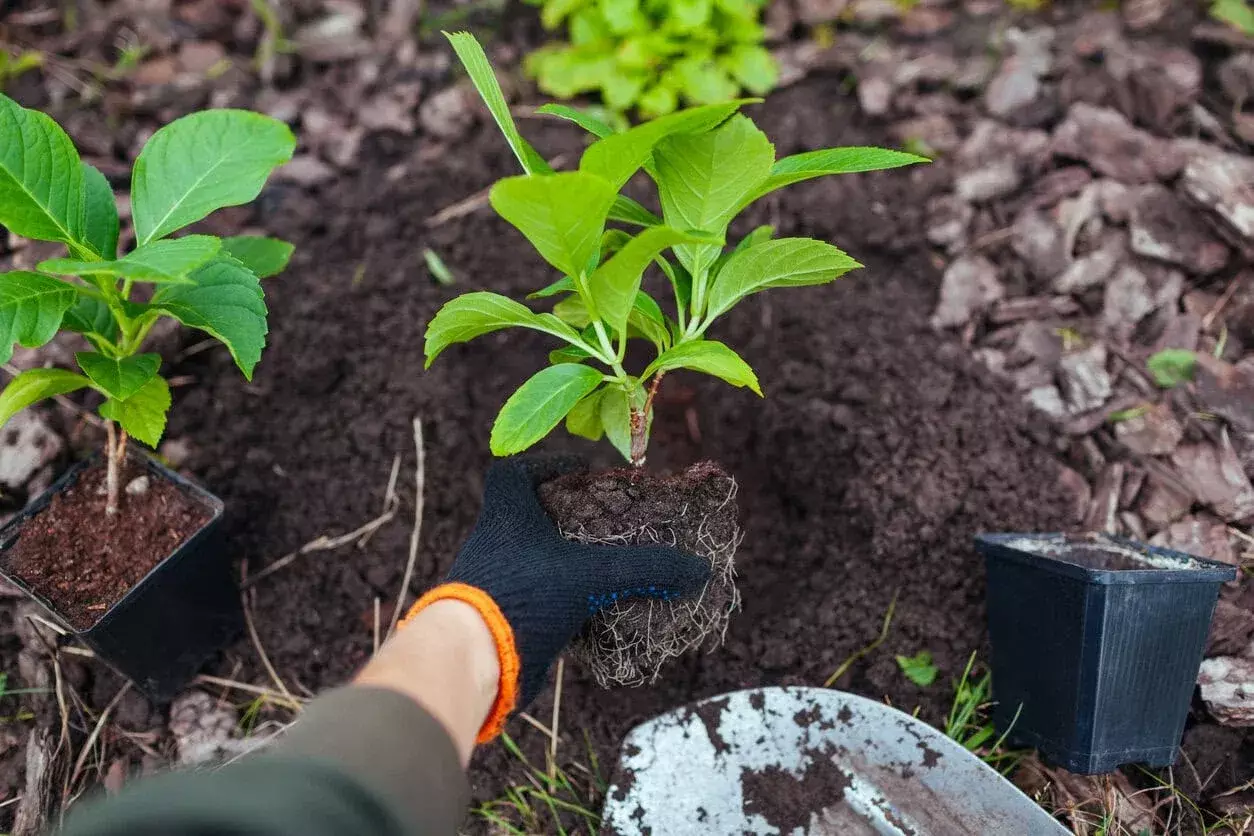
- Transplant them once they reach 2 to 4 inches (5–10 cm) tall.
- Keep the soil consistently moist but never soggy.
- Avoid overwatering, which can cause stem rot.
- Begin fertilizing only after plants become well established.
Final Thoughts
Propagating hydrangeas is an enjoyable and inexpensive way to multiply your favorite plants.
Softwood cuttings provide quicker results during the growing season, while hardwood cuttings offer a dependable option during dormancy. Neither method requires expensive equipment—just healthy stems, proper moisture, and a little patience.
Once you’ve mastered the process, you’ll be able to grow beautiful new hydrangeas year after year and fill your garden with even more spectacular blooms.