Homemade Weed Killers: Do Salt, Vinegar, Lemon, and Other DIY Sprays Really Work?
Homemade Weed Killers: Do Salt, Vinegar, Lemon, and Other DIY Sprays Really Work?
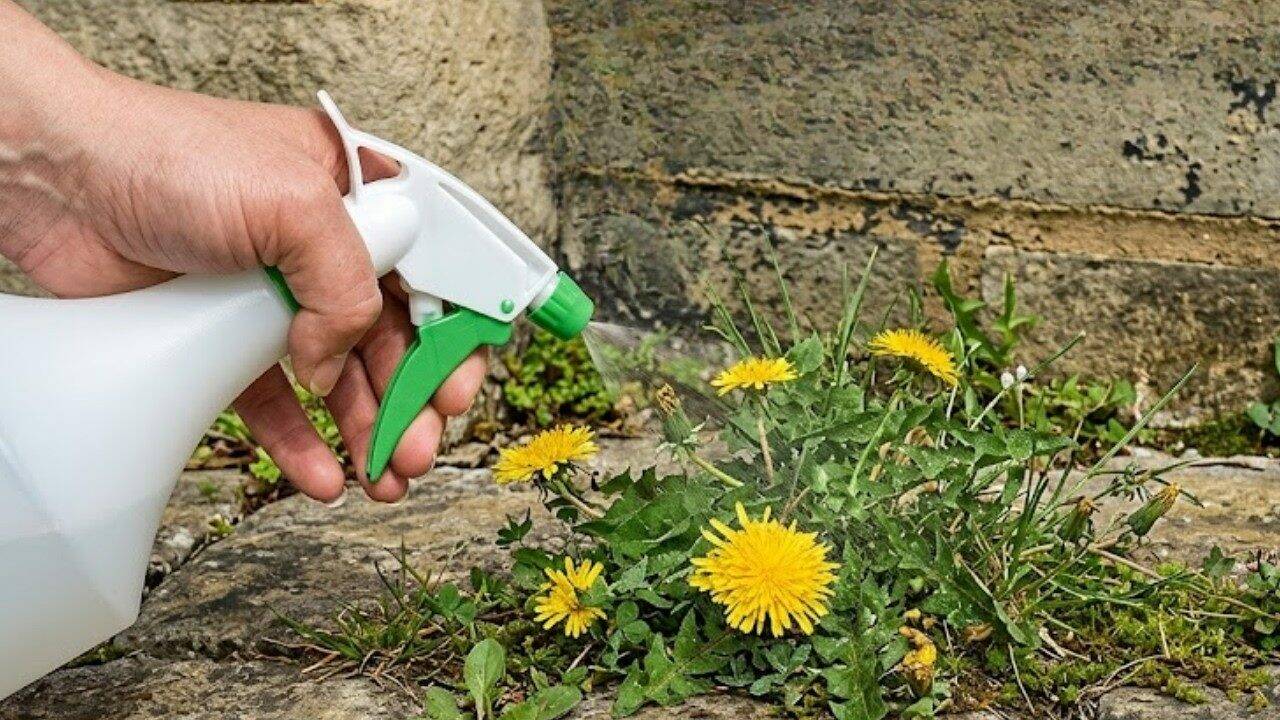
Weeds growing between paving stones, along driveways, and in sidewalk cracks can quickly make outdoor spaces look neglected. It’s no surprise that homemade weed killers made with ingredients like vinegar, salt, lemon juice, or dish soap have become increasingly popular.
Many online videos promise that these simple mixtures will destroy weeds forever, eliminate them down to the roots, or work within minutes. While some homemade sprays can damage weed foliage, their effectiveness depends on the type of weed, growing conditions, and where they are applied.
Here’s a closer look at several popular DIY weed-control recipes and what you should know before using them.
Why Homemade Weed Killers Are Popular
Many gardeners prefer homemade solutions because they are:
- inexpensive
- easy to prepare
- made from common household ingredients
- useful for treating isolated weeds
However, “natural” does not automatically mean harmless. Some ingredients, particularly salt, can remain in the soil and affect nearby plants long after the weeds have died.
Recipe 1: Salt and Vinegar Spray
One of the most common homemade weed killers combines:
- 500 ml (2 cups) water
- 1 tablespoon table salt
- 200 ml (about ¾ cup) white vinegar
The mixture is poured into a spray bottle and applied directly to unwanted weeds.
Does It Work?
Vinegar may burn exposed leaves, while salt can dehydrate plant tissue.
This often causes visible wilting within hours or days.
However, deep-rooted perennial weeds frequently regrow because the underground root system survives.
Recipe 2: Straight White Vinegar
Some gardeners simply spray undiluted white vinegar onto weeds growing in:
- sidewalk cracks
- driveways
- gravel paths
- between paving stones
Sunlight can increase the drying effect on exposed leaves.
However, vinegar works primarily as a contact herbicide, meaning it affects only the plant tissue it touches.
It rarely kills well-established roots.
Recipe 3: Vinegar, Chili Pepper, Salt, and Oil
Another homemade mixture contains:
- 300 ml water
- 300 ml white vinegar
- 1 teaspoon cayenne pepper
- 1 teaspoon salt
- 1 teaspoon vegetable oil
After mixing and straining, the liquid is sprayed directly onto weed leaves.
What Does Each Ingredient Do?
Vinegar damages exposed leaf tissue.
Salt removes moisture from plant cells but may also contaminate soil.
Vegetable oil helps the mixture stick to leaves.
Cayenne pepper may discourage some animals or insects, but there is little evidence that it significantly improves weed control.
Recipe 4: Lemon Juice Spray
Lemon juice is another popular ingredient.
A typical mixture includes:
- 200 ml fresh lemon juice
- 250 ml water
- 1 tablespoon liquid soap
- a small amount of ground cinnamon
The citric acid may damage tender weed leaves, while the soap improves adhesion.
Like vinegar, lemon juice mainly affects the parts of the plant it contacts and is unlikely to eliminate established root systems.
Recipe 5: Salt, Dish Soap, Vinegar, and Water
Some homemade recipes combine:
- salt
- dish soap
- vinegar
- warm water
Dish soap acts as a surfactant, helping the liquid spread across the leaf surface.
It is not a weed killer by itself.
Where Homemade Sprays Can Be Useful
These sprays are best reserved for isolated weeds growing in places where no desirable plants are present, such as:
- cracks in concrete
- between paving stones
- gravel paths
- driveways
- sidewalk joints
Avoid spraying lawns, vegetable gardens, flower beds, or areas where you plan to grow plants.
The Problem With Salt
Salt is often promoted as a natural weed killer, but it comes with significant drawbacks.
Excess salt can:
- remain in the soil
- prevent future plant growth
- damage nearby ornamental plants
- contaminate surrounding soil after rainfall
Because of these long-term effects, salt should be used only with great caution and never in planting beds.
Better Long-Term Weed Control
For lasting results, combine several methods instead of relying on a single spray.
Effective strategies include:
- pulling weeds after rain
- mulching exposed soil
- using a crack weeding tool
- filling pavement joints
- improving lawn health
- removing weeds before they produce seeds
Healthy, dense vegetation naturally suppresses many weeds.
Homemade Ant Spray
The source also suggests a simple ant spray made from:
- two crushed aspirin tablets
- warm water
- one tablespoon white vinegar
The solution is sprayed where ants are active.
Does It Eliminate Ant Colonies?
Not usually.
Strong-smelling sprays may temporarily discourage ants from certain areas, but they rarely eliminate the entire colony.
If ants continue returning, locating and removing the nest or food source is generally much more effective.
Common Mistakes
Avoid these common errors:
Spraying on Windy Days
The solution may drift onto desirable plants.
Treating Large Garden Areas
Homemade salt-based sprays are intended only for isolated weeds.
Expecting Permanent Results
Many perennial weeds regenerate from underground roots.
Ignoring Safety
Even natural ingredients can irritate skin or eyes.
Wear gloves and avoid spraying on windy days.
Safe Alternatives
If you prefer non-chemical weed control, consider:
- hand pulling
- hoeing
- mulching
- boiling water for isolated pavement weeds
- flame weeding (where legally permitted and used safely)
- maintaining healthy lawns and garden beds
Using several methods together provides much better long-term control than relying on homemade sprays alone.
Final Thoughts
Homemade weed killers made with vinegar, salt, lemon juice, or dish soap may help dry the leaves of weeds growing in pavement cracks or gravel. However, they are unlikely to destroy every weed permanently or eliminate deep root systems after a single application.
For the healthiest garden and the most sustainable weed control, combine careful manual removal, healthy soil management, and preventive maintenance. Homemade sprays can be a useful tool in specific situations, but they work best as part of a broader weed-management strategy rather than as a miracle cure.