A Simple Homemade Garlic Spray to Help Control Aphids, Whiteflies, Mealybugs, Caterpillars, and Other Garden Pests
A Simple Homemade Garlic Spray to Help Control Aphids, Whiteflies, Mealybugs, Caterpillars, and Other Garden Pests
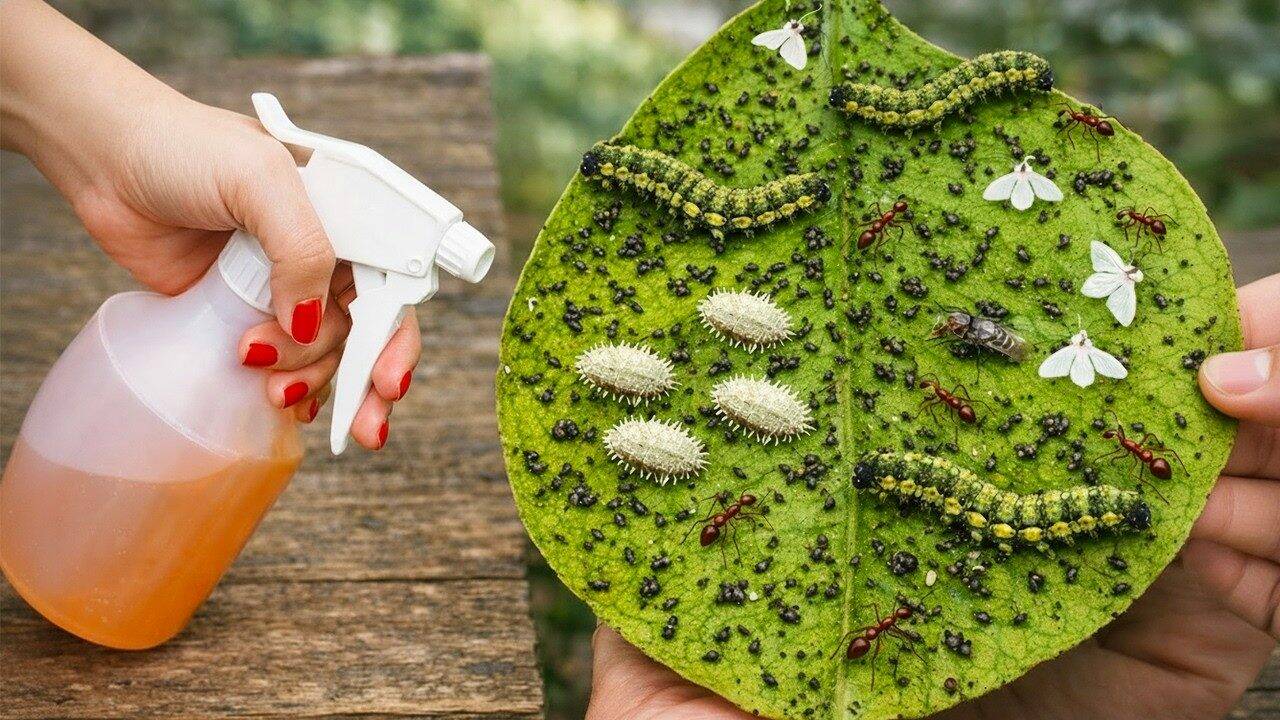
Few things are more frustrating than discovering that insects are feeding on your healthy plants. Aphids cluster on tender stems, whiteflies hide beneath leaves, caterpillars chew through foliage overnight, while mealybugs and scale insects weaken plants by sucking their sap.
Although many online videos promise to kill every garden pest within seconds, the reality is more complicated. Homemade sprays can help reduce certain pest populations, but no natural mixture instantly eliminates every insect or provides permanent protection.
Here’s how this garlic-based homemade spray works, when it may help, and how to use it safely.
Why Garden Pests Appear
Most garden pests are attracted to plants that provide tender new growth, abundant sap, or sheltered hiding places.
Common pests include:
- aphids
- whiteflies
- mealybugs
- soft scale insects
- spider mites
- caterpillars
- ants
Each pest requires a slightly different control strategy.
The Homemade Insect Spray
The original recipe combines two simple mixtures.
Step One
Mix together:
- 1 liter (4 cups) of water
- 1 dessert spoon garlic powder
- 1 dessert spoon ground cinnamon
Stir thoroughly, then strain the mixture through a clean cloth to remove the solid particles.
Step Two
To the filtered liquid, add:
- 60 ml (¼ cup) white vinegar
- 1 tablespoon vegetable oil
- 2 tablespoons liquid dish soap
Mix well and pour into a spray bottle.
Each ingredient plays a different role in the mixture.
What Each Ingredient Does
Garlic
Garlic contains sulfur compounds with a strong odor that may repel certain insects.
It is commonly used in homemade garden sprays, although its effectiveness varies depending on the pest species.
Cinnamon
Cinnamon has mild antifungal properties and is often used by gardeners around seedlings and cuttings.
There is limited scientific evidence that it directly controls insect infestations.
White Vinegar
Vinegar may damage insects that come into direct contact with concentrated solutions.
However, it may also burn plant foliage if used too strongly.
Always dilute vinegar and test the spray before treating the entire plant.
Vegetable Oil
Oil helps coat insects and improves the spray’s ability to stick to leaves.
Horticultural oils are commonly used against soft-bodied pests because they can interfere with insect respiration.
Dish Soap
Dish soap acts as a surfactant.
It helps the spray spread evenly across leaf surfaces and improves contact with insects.
Only small amounts should be used, as excessive soap may damage sensitive plants.
Which Pests May Be Affected?
This type of spray may help reduce populations of:
- aphids
- young whiteflies
- mealybugs
- soft scale crawlers
- some spider mites
Large caterpillars, beetles, and insects protected by hard shells are generally much less affected and often require manual removal or other control methods.
How to Apply the Spray
For the best results:
- spray early in the morning or late in the afternoon
- avoid direct midday sun
- coat both the upper and lower leaf surfaces
- spray stems where aphids often gather
- target insects directly whenever possible
Many pests hide underneath leaves, making complete coverage important.
Repeat Treatments
One application is rarely enough.
For active infestations:
- spray every 5–7 days
- monitor plants regularly
- continue until pest numbers decline
For prevention, inspect plants frequently and treat only when necessary rather than spraying continuously.
Is It Safe for Every Plant?
No.
Some plants are sensitive to vinegar or soap solutions.
Always test the spray on a small section of the plant first.
Wait 24 hours before treating the entire plant.
If leaf burn, discoloration, or wilting occurs, discontinue use immediately.
What About Ants?
Spraying individual ants may kill or repel them temporarily.
However, ants often return if aphids or mealybugs remain on the plant because they feed on the honeydew these insects produce.
Controlling the sap-feeding insects usually helps reduce ant activity naturally.
Identifying Common Garden Pests
Aphids
Usually found on young shoots and flower stems.
Signs include:
- curled leaves
- sticky honeydew
- distorted new growth
Whiteflies
Tiny white insects that fly when disturbed.
They usually hide beneath leaves.
Mealybugs
Small white, cotton-like clusters found in leaf joints and stems.
Caterpillars
Large holes in leaves and visible chewing damage are common signs.
Many species feed at night.
Encourage Natural Predators
One of the best long-term pest control strategies is encouraging beneficial insects.
Helpful garden allies include:
- ladybugs
- lacewings
- hoverflies
- parasitic wasps
- predatory beetles
These natural predators help keep pest populations under control without chemicals.
Common Mistakes
Avoid these common errors:
Spraying During Hot Weather
Sunlight combined with soap or vinegar can scorch leaves.
Using Too Much Vinegar
Higher concentrations increase the risk of plant damage without necessarily improving pest control.
Expecting Instant Results
Most natural sprays require repeated applications.
Ignoring Heavy Infestations
Severely damaged leaves or heavily infested stems are often best removed and discarded.
Additional Ways to Protect Plants
Healthy plants naturally resist pests better.
Good practices include:
- watering correctly
- improving air circulation
- removing dead foliage
- avoiding excessive nitrogen fertilizer
- inspecting plants every few days
- removing pests early before populations explode
Final Thoughts
Homemade sprays containing garlic, cinnamon, vinegar, vegetable oil, and dish soap may help reduce populations of certain soft-bodied garden pests when applied carefully and repeatedly. However, they will not instantly eliminate every insect within seconds, nor are they effective against every type of pest.
The most successful approach combines early detection, healthy growing conditions, regular monitoring, and targeted treatments. With consistent care, you can protect your plants naturally while minimizing the need for stronger chemical insecticides.