This Simple Homemade Soap Spray Can Help Control Aphids, Caterpillars, Ants, and Scale Insects
This Simple Homemade Soap Spray Can Help Control Aphids, Caterpillars, Ants, and Scale Insects
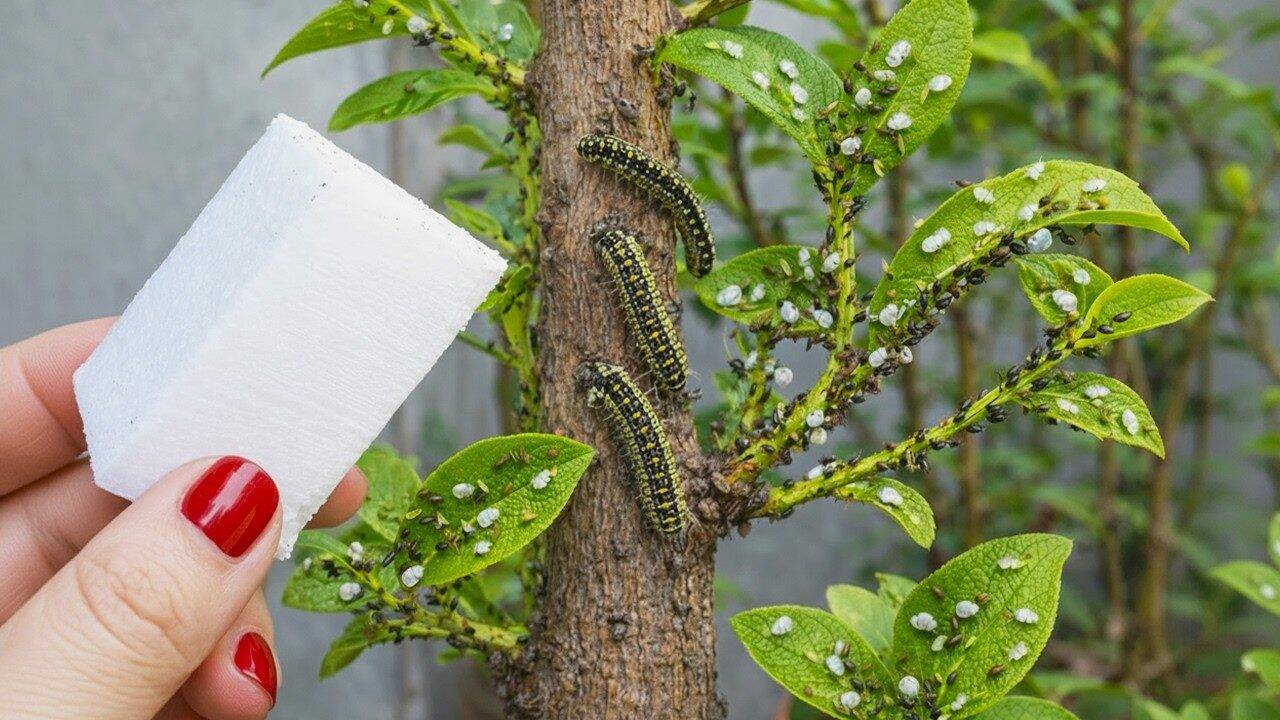
Garden pests can quickly damage flowers, vegetables, fruit trees, and ornamental plants. Aphids suck sap from tender shoots, caterpillars chew through leaves, scale insects weaken stems, and ants often protect aphid colonies in exchange for the sweet honeydew they produce.
While many gardeners immediately reach for chemical insecticides, some mild homemade sprays may help reduce certain pest populations when used correctly. One of the most common ingredients is ordinary bar soap.
Although soap sprays can be effective against soft-bodied insects, they are not an instant cure and will not eliminate every type of pest after a single application.
How Soap Helps Control Some Garden Pests
Soap works by disrupting the protective outer coating of certain soft-bodied insects, causing them to lose moisture.
It may help reduce populations of:
- aphids
- young whiteflies
- mealybugs
- soft scale insects
- spider mites (partially)
Soap sprays are far less effective against:
- large caterpillars
- beetles
- hard scale insects
- snails and slugs
- insects protected by thick shells
What You’ll Need
For a simple homemade spray, gather:
- about one-quarter of a plain, fragrance-free bar soap (or pure castile soap)
- 1 liter (about 4 cups) of warm water
- a grater or knife
- a spray bottle
- a clean container
Avoid soaps containing bleach, antibacterial agents, heavy perfumes, moisturizers, or degreasers, as these may damage plant leaves.
Step 1: Grate the Soap
Cut off a small portion of the soap bar.
Grate or shave it into thin flakes.
Smaller pieces dissolve much faster in warm water.
Step 2: Dissolve the Soap
Place the soap shavings into warm—not boiling—water.
Stir until completely dissolved.
Allow the solution to cool before pouring it into a spray bottle.
Step 3: Test Before Spraying
Not every plant tolerates soap equally.
Before treating the entire plant:
- spray one or two leaves
- wait 24 hours
- check for leaf burn or discoloration
If no damage appears, the solution can be applied more broadly.
How to Apply the Spray
Spray both the upper and lower surfaces of the leaves.
Pay special attention to:
- new shoots
- leaf undersides
- stems
- pest colonies
Most insects hide beneath the leaves where they are protected from rain and sunlight.
The spray must contact the insects directly to be effective.
When to Spray
Apply the solution:
- early in the morning
- or late in the evening
Avoid spraying during the hottest part of the day.
Strong sunlight combined with soap residue may scorch sensitive foliage.
Does It Kill Caterpillars?
Large caterpillars are generally not controlled by mild soap sprays.
The solution may affect very small caterpillars, but larger larvae usually require manual removal or other control methods.
Regular inspection of plants remains one of the most effective ways to prevent severe caterpillar damage.
Can It Eliminate Ants?
Soap spray may kill individual ants that are sprayed directly.
However, it does not eliminate the colony.
If ants continually return, look for the aphids or scale insects producing honeydew, as these often attract and support ant populations.
Controlling the sap-feeding insects frequently reduces ant activity.
Does It Work Against Scale Insects?
Young scale insects (called crawlers) are more vulnerable to soap sprays than mature adults protected by hard shells.
Heavily infested branches may require:
- pruning
- gentle scrubbing
- horticultural oil
- repeated treatments
Repeat Applications
Homemade soap sprays do not provide long-lasting protection.
You may need to repeat treatments every 5–7 days while pests remain active.
Heavy rain usually washes the soap away.
Plants That May Be Sensitive
Some plants are more likely to develop leaf damage after soap treatments.
Always test first on:
- ferns
- succulents
- African violets
- young seedlings
- plants under drought stress
If leaves become spotted or scorched, discontinue use immediately.
Additional Natural Pest Control Methods
Soap spray works best as part of an integrated approach.
Other helpful techniques include:
- removing heavily infested leaves
- washing plants with water
- encouraging ladybugs and lacewings
- improving air circulation
- avoiding excessive nitrogen fertilizer
- inspecting plants regularly
Healthy plants are generally more resistant to pest attacks.
Common Mistakes
Avoid these common errors:
Using Strong Household Detergents
Dishwashing detergents are often harsher than pure soap and may injure plant foliage.
Spraying in Full Sun
Hot weather increases the risk of leaf burn.
Applying Too Much Soap
Concentrated solutions may damage plants without improving pest control.
Expecting One Treatment to Solve Everything
Most pest problems require repeated monitoring and several applications.
When Stronger Control Is Needed
If infestations become severe or continue spreading despite repeated treatment, consider using an insecticidal soap or horticultural oil specifically formulated for garden use.
Always follow the manufacturer’s instructions and avoid spraying beneficial insects whenever possible.
Final Thoughts
A simple homemade soap spray can help reduce populations of aphids, mealybugs, young scale insects, and other soft-bodied pests when it comes into direct contact with them. However, it is not a miracle solution that instantly kills every garden pest.
Regular inspection, healthy growing conditions, and early intervention remain the most effective ways to protect your plants from insects while minimizing the need for stronger pesticides.