How to Keep Clematis Blooming All Season: Complete Pruning and Care Guide
How to Keep Clematis Blooming All Season: Complete Pruning and Care Guide
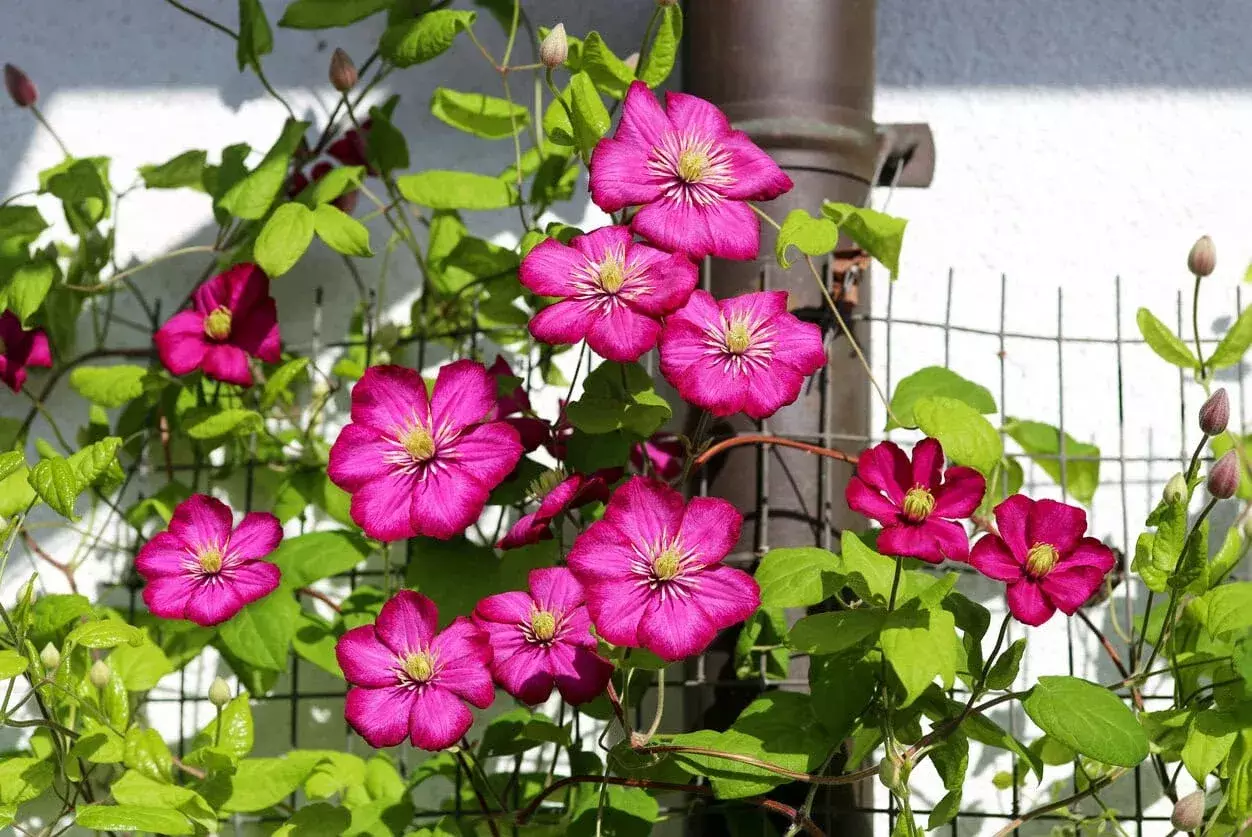
Clematis is one of the most spectacular flowering vines you can grow. With its elegant blooms and climbing habit, it can transform fences, pergolas, trellises, and garden walls into colorful focal points from spring through fall.
Although these beautiful perennials have a reputation for being difficult to grow, they’re actually quite straightforward once you understand their basic needs. The biggest secret to long-lasting blooms isn’t complicated—it’s simply giving them the right light, watering consistently, pruning correctly, and providing proper support.
Here’s everything you need to know to keep your clematis healthy and flowering for months.
Does Clematis Need Full Sun?
Yes—most clematis varieties bloom best in full sun.
Aim to provide at least six hours of direct sunlight each day. The more sunlight your plant receives, the more flowers it will typically produce.
Some cultivars tolerate partial shade, especially in warmer climates, but heavy shade often results in fewer blooms and weak, stretched stems.
A helpful gardening rule is:
“Sun for the vines, cool shade for the roots.”
Plant low-growing perennials, apply mulch, or place decorative stones around the base to keep the root system cool while allowing the vines to enjoy plenty of sunshine.
If you’re growing clematis in containers, place the pot where it receives bright sunlight for most of the day.
Understanding the Three Clematis Pruning Groups
Pruning correctly is one of the most important factors in keeping clematis flowering year after year.
Different varieties bloom on different types of growth, so pruning at the wrong time can accidentally remove next season’s flower buds.
Group 1 – Spring Blooming Clematis
These varieties flower on old wood, meaning the flower buds formed during the previous growing season.
Popular examples include:
- Clematis montana
- Clematis alpina
After flowering has finished, lightly trim away:
- Dead stems
- Weak growth
- Damaged branches
Avoid heavy pruning, as it will reduce flowering the following spring.
Group 2 – Repeat Blooming Clematis
These clematis bloom on both old and new growth, often producing two flushes of flowers each year.
Popular varieties include:
- Nelly Moser
- The President
Pruning is simple:
- Lightly prune in early spring by removing weak or damaged stems.
- Prune again after the first flush of flowers to encourage another round of blooming later in the season.
Group 3 – Summer and Autumn Blooming Clematis
Group 3 varieties bloom exclusively on new growth produced each year.
Common examples include:
- Jackmanii
- Sweet Autumn Clematis
These are the easiest to prune.
In late winter or early spring, cut the entire plant back to approximately 12–18 inches (30–45 cm) above the ground.
This encourages vigorous new stems that produce abundant summer flowers.
How Often Should You Water Clematis?
Clematis prefers evenly moist soil but dislikes sitting in water.
During warm weather:
- Water deeply once or twice each week.
- Increase watering during prolonged dry spells.
- Reduce watering during rainy periods.
Rather than watering lightly every day, give the soil a deep soak so moisture reaches the root zone.
Whenever possible, water directly at the base of the plant.
Avoid wetting the foliage, as damp leaves can encourage fungal diseases.
Applying mulch around the roots also helps conserve moisture and regulate soil temperature.
The Best Fertilizer for More Flowers
Regular feeding helps clematis produce stronger growth and larger floral displays.
A balanced fertilizer such as 10-10-10 works well throughout the growing season.
Once flower buds begin forming, many gardeners switch to a fertilizer slightly higher in phosphorus, such as 5-10-10, to encourage heavier blooming.
Feed every 4 to 6 weeks during active growth, always following the manufacturer’s recommended application rate.
Avoid excessive nitrogen, which encourages leafy growth while reducing flower production.
Supporting Your Clematis
As climbing vines, clematis require sturdy support from the beginning.
Suitable structures include:
- Trellises
- Arbors
- Pergolas
- Garden netting
- Obelisks
- Decorative fences
Young stems may need to be gently tied to the support until they begin climbing naturally.
Keeping vines upright improves airflow, increases sunlight exposure, and allows flowers to develop evenly across the plant.
Common Problems That Reduce Flowering
Although clematis is generally easy to grow, a few common issues can reduce blooming.
Watch for pests such as:
- Aphids
- Spider mites
- Slugs
- Mealybugs
Most infestations can be controlled with insecticidal soap or neem oil if caught early.
Another issue to watch for is clematis wilt, a disease that causes healthy stems to suddenly collapse and blacken.
If you notice infected stems:
- Remove them immediately.
- Dispose of diseased material.
- Disinfect pruning tools before using them again.
Good air circulation and proper plant spacing greatly reduce the risk of fungal diseases.
Extra Tips for Continuous Blooms
For the healthiest plants and longest flowering season:
- Apply mulch to keep roots cool.
- Remove faded flowers whenever possible.
- Avoid allowing soil to dry out completely.
- Inspect plants regularly for pests.
- Train new shoots onto their support as they grow.
- Replace damaged ties before they restrict stem growth.
These simple maintenance tasks help your clematis remain vigorous throughout the growing season.
Final Thoughts
Clematis may look delicate, but it’s surprisingly rewarding once you understand how it grows.
The key to season-long blooms is choosing the right planting location, providing plenty of sunshine, watering consistently, feeding regularly, and—most importantly—pruning according to the correct flowering group.
With just a little routine care, your clematis will reward you with spectacular flowers that climb gracefully over fences, arches, pergolas, and trellises, adding color, height, and elegance to your garden from spring until autumn.
Whether you’re planting your very first clematis or caring for an established vine, these simple techniques will help you enjoy healthier plants and more beautiful blooms year after year.