It Hides in the Soil and Destroys Roots. Get Rid of It Fast.
It Hides in the Soil and Destroys Roots. Get Rid of It Fast.
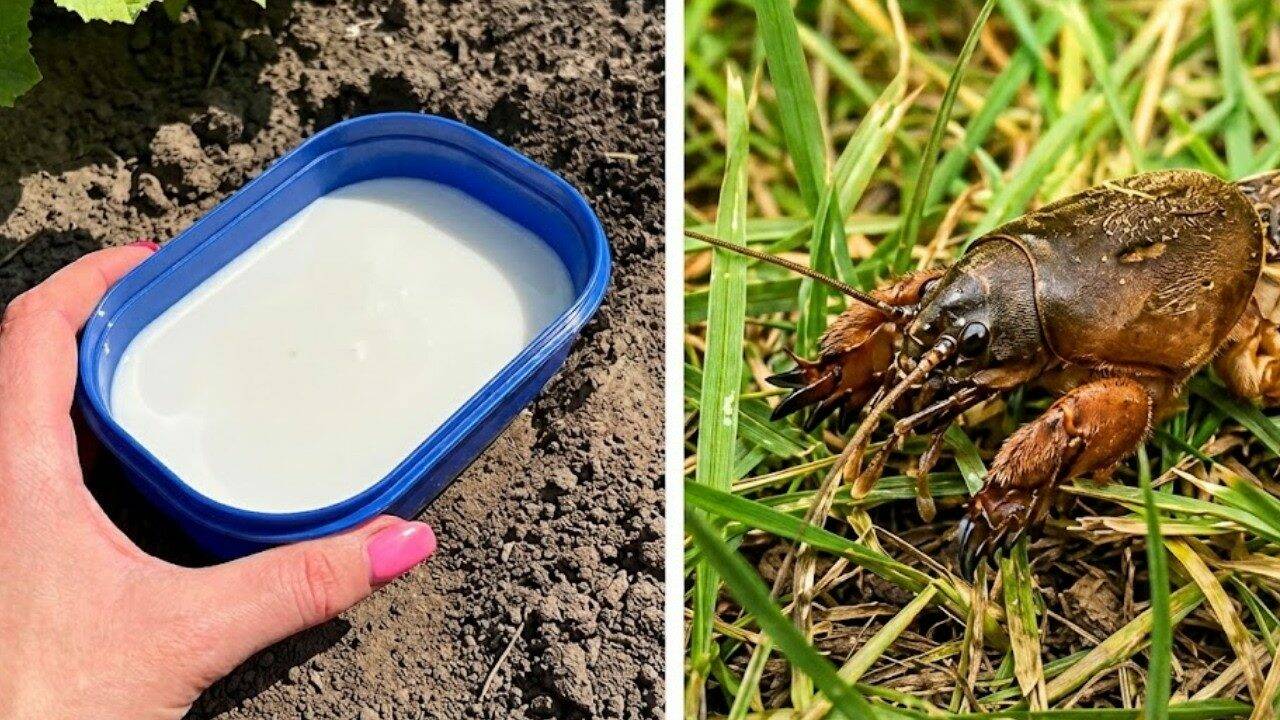
A healthy garden can suddenly begin to struggle without any obvious reason. Plants wilt, seedlings disappear, and vegetables stop growing. In many cases, the culprit is hiding beneath the surface. One of the most destructive underground garden pests is the mole cricket, an insect that tunnels through the soil and damages the roots of vegetables, flowers, and young plants.
Below are several popular methods many gardeners use to help reduce damage naturally.
How to Recognize a Mole Cricket Infestation
Mole crickets spend most of their lives underground, making them difficult to spot. Signs of their presence include:
- Small tunnels just below the soil surface
- Sunken patches of soil
- Wilting or dying plants despite regular watering
- Seedlings that suddenly collapse
- Damaged roots on vegetables and flowers
Acting early can prevent serious damage.
Method 1: The Beer Trap
One of the oldest and most commonly used garden tricks is a simple beer trap.
You’ll Need:
- A small plastic container
- Dark beer
- A small board or lid
Instructions:
- Dig a hole large enough to fit the container.
- Place the container so its rim is level with the soil surface.
- Fill it halfway with dark beer.
- Cover it loosely with a board or lid, leaving a small gap for the insects to enter.
- Check the trap every 2–3 days and replace the beer when necessary.
Many gardeners believe the fermentation smell attracts mole crickets into the trap.
Method 2: Castor Oil Solution
Another traditional remedy involves castor oil.
Ingredients
- 1 liter of water
- About 10 ml of castor oil
How to Use
Mix the ingredients thoroughly and pour the solution directly into tunnels or areas where mole cricket activity has been noticed.
Some gardeners report that the strong smell encourages the pests to leave their underground hiding places.
Keep Monitoring Your Garden
Inspect your beds regularly.
The earlier you notice signs of tunneling or damaged plants, the easier it is to limit the spread and reduce crop losses.
Aphids Disappeared After One Use? Popular Homemade Sprays Gardeners Try
Aphids are among the most common garden pests. They suck sap from leaves, weaken plants, and reproduce extremely quickly.
Many gardeners prefer homemade sprays instead of stronger chemical products.
Homemade Vinegar & Neem Spray
Ingredients
- 300 ml vinegar
- 1 tablespoon neem powder
- ½ tablespoon hot red pepper
- ½ tablespoon ground black pepper
- A few drops of liquid soap
- Water
Directions
- Mix the vinegar with neem powder.
- Add the peppers.
- Stir in a few drops of liquid soap.
- Let the mixture sit for several hours.
- Strain through cheesecloth.
- Dilute with water.
- Pour into a spray bottle.
Spray vegetables and flowers when aphids first appear.
Garlic and Onion Natural Spray
Garlic and onions have long been used in homemade garden remedies.
Ingredients
- Several garlic cloves
- 1 onion
- 500 ml water
- 1 teaspoon cayenne pepper
- A few drops of natural liquid soap
Preparation
- Peel the garlic and onion.
- Blend with the water.
- Strain the mixture.
- Add cayenne pepper.
- Leave overnight.
- Add liquid soap before use.
- Dilute with at least 1 liter of water.
Spray plants once a week, or twice weekly during heavy aphid infestations.
Many gardeners use this mixture not only against aphids but also for other common garden pests.
Why Aphids Are Such a Problem
Aphids attack:
- Vegetables
- Fruit plants
- Ornamental flowers
- Balcony plants
- Houseplants
Because they multiply rapidly, an infestation can spread from one plant to another within days.
Why Some Gardeners Tie Yellow Ribbons to Plants
A surprisingly simple trick involves tying bright yellow ribbons around infested plants.
The idea is that the yellow color attracts ladybugs, one of the aphids’ main natural predators.
A single ladybug can consume dozens of aphids each day, making them valuable allies in the garden.
If you’re trying to attract beneficial insects, avoid spraying broad-spectrum insecticides that could harm them.
Simple Baking Soda Spray
Ingredients
- Warm water
- 1 teaspoon baking soda
- A small amount of sunflower oil or a few drops of dish soap
Instructions
Mix well and spray stems and leaves every three days.
Important: Avoid adding too much baking soda, as overly concentrated solutions may damage plants.
Vinegar Spray
Another easy homemade option uses only vinegar and water.
Mix:
- 1 part vinegar
- 10 parts water
Spray lightly on affected plants.
Because vinegar is acidic, use it carefully and avoid excessive applications, which may also harm plants.
Final Tips
Whether you’re dealing with mole crickets underground or aphids feeding on leaves, regular inspection is your best defense.
Natural methods such as beer traps, castor oil solutions, garlic sprays, neem mixtures, and encouraging beneficial insects are popular choices among home gardeners. While results can vary depending on the pest, weather, and growing conditions, combining several preventive practices often provides the best protection for vegetables, flowers, and young seedlings throughout the growing season.