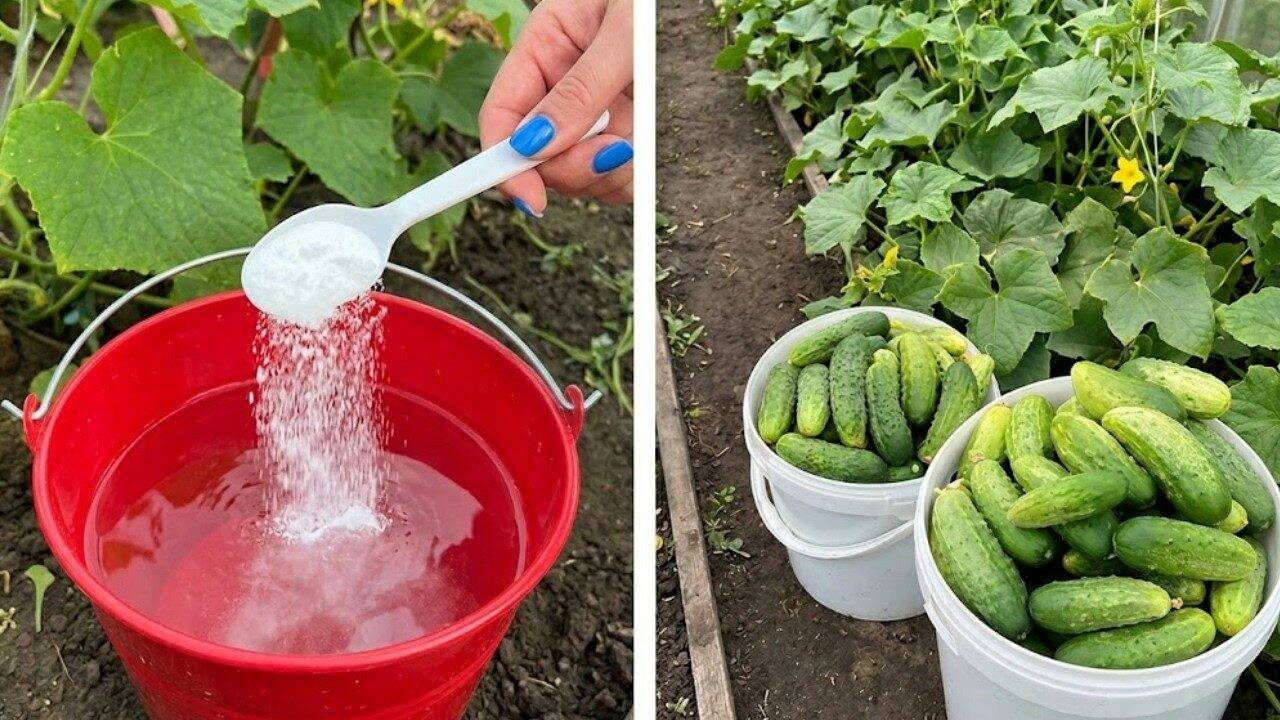
Just 1 Tablespoon in July. Your Cucumbers Will Be Loaded with Crisp, Crunchy Fruits.
Just 1 Tablespoon in July — Your Cucumbers Will Be Loaded with Crisp, Crunchy Fruits
Cucumber plants grow quickly during summer, but they also need consistent watering, healthy soil, and balanced nutrition to produce plenty of crisp, well-shaped fruits.
Many gardeners use homemade fertilizers and natural sprays to support their plants during the hottest part of the growing season. However, not every popular remedy is suitable for every garden. Soil type, pH, weather, and the condition of the plants all matter.
Here are several common cucumber-care methods, along with practical precautions to help you use them safely.
A Simple Citric Acid and Epsom Salt Solution
One popular homemade mixture combines citric acid with Epsom salt.
You Will Need
- 5 liters of water
- 1 tablespoon citric acid
- 1 tablespoon Epsom salt
How to Prepare It
- Fill a watering can or bucket with 5 liters of water.
- Add one tablespoon of citric acid.
- Add one tablespoon of Epsom salt.
- Stir until both ingredients dissolve.
- Apply the solution around the base of the cucumber plants.
Avoid pouring it directly over the leaves, especially during hot or sunny weather.
Why Gardeners Use It
Epsom salt contains magnesium and sulfur. Magnesium is involved in chlorophyll production and photosynthesis, while sulfur contributes to several plant processes.
Citric acid slightly lowers the pH of the water. This may sometimes help nutrients remain available in alkaline conditions, but excessive use can make the root zone too acidic.
This mixture should not be treated as a complete fertilizer because it does not provide the nitrogen, phosphorus, potassium, and other nutrients cucumbers require.
Use it only when there is a genuine need, preferably after checking the soil or identifying signs of magnesium deficiency.
When Epsom Salt May Help
A cucumber plant lacking magnesium may show yellowing between the veins of older leaves while the veins remain green.
However, yellow leaves can have many other causes, including:
- Overwatering
- Underwatering
- Root damage
- Nitrogen deficiency
- Fungal disease
- Pest activity
- Heat stress
- Poor soil drainage
Adding Epsom salt without confirming the cause may not solve the problem and can increase salt levels in the soil.
Homemade Yeast Fertilizer
Another popular garden recipe uses dry yeast and sugar.
Ingredients
- 1 liter of lukewarm water
- 1 tablespoon dry yeast
- 2 tablespoons sugar
- An additional 5 liters of water
Preparation
- Pour lukewarm water into a large jar.
- Add the dry yeast.
- Stir in the sugar.
- Cover loosely and leave the mixture in a warm place for approximately two hours.
- Pour it into a bucket containing 5 liters of water.
- Mix thoroughly.
Apply a small amount around the base of established plants.
Important Limitation
Yeast is not a complete fertilizer. It may stimulate microbial activity temporarily, but those microorganisms can also use nutrients already present in the soil.
For reliable growth and fruit production, cucumbers still need compost or a balanced vegetable fertilizer.
Avoid applying concentrated yeast mixtures too frequently.
What Cucumbers Need During Fruiting
During flowering and fruit production, cucumbers benefit from:
- Even soil moisture
- Potassium
- Moderate nitrogen
- Phosphorus
- Calcium
- Magnesium
- Healthy organic matter
- Regular harvesting
Too much nitrogen can produce large, dark-green leaves but relatively few cucumbers.
A fertilizer formulated for fruiting vegetables is generally more dependable than a mixture based on only one or two household ingredients.
Watering Cucumbers Correctly
Cucumbers contain a high percentage of water, so irregular watering can quickly affect their growth and fruit quality.
Water deeply at the base of the plant whenever the upper layer of soil begins to dry.
Avoid repeatedly soaking the leaves, since prolonged leaf moisture can encourage disease.
Mulching with straw, compost, or untreated grass clippings can help retain moisture and reduce temperature fluctuations around the roots.
Morning is usually the best time to water. Evening watering is also possible, but try to keep the foliage dry overnight.
Yellow Leaves: What They May Mean
Yellow cucumber leaves do not always indicate a lack of fertilizer.
Possible causes include:
- Natural aging of lower leaves
- Nutrient deficiencies
- Poor drainage
- Excessive watering
- Drought
- Powdery mildew
- Downy mildew
- Aphids or spider mites
- Root diseases
Examine both sides of the leaves and look for spots, insects, webbing, or white powdery growth before applying a treatment.
Clove and Aspirin Spray: Should You Use It?
Some homemade recipes recommend blending cloves with aspirin and spraying the liquid over cucumber plants.
Cloves contain aromatic compounds, while aspirin contains acetylsalicylic acid, which is related to salicylic acid, a compound involved in plant stress responses.
However, household aspirin sprays are difficult to dose accurately. A mixture that is too strong may burn leaves, especially in hot weather.
There is also limited practical evidence that a homemade clove-and-aspirin spray will reliably prevent cucumber diseases or stop yellowing.
It is safer to diagnose the cause of the yellowing before treating the plant.
A Gentle Garlic and Baking Soda Spray
Garlic and baking soda are often used in homemade sprays intended to slow fungal growth.
Ingredients
- 500 ml warm water
- 1 finely chopped garlic clove
- A very small amount of baking soda
- Optional strained horsetail infusion
Preparation
- Combine the ingredients in a container.
- Leave the mixture for about one hour.
- Strain it carefully through a fine cloth.
- Pour it into a spray bottle.
- Test it on one leaf before treating the entire plant.
Apply only in the early morning or evening.
Do not spray during strong sunshine or extreme heat.
Important Precaution
Too much baking soda can damage leaves and increase sodium levels in the soil. Use only a weak concentration and avoid frequent applications.
Homemade sprays may sometimes slow mild surface infections, but they are not guaranteed to cure serious cases of powdery or downy mildew.
Remove heavily infected leaves and improve airflow around the plants.
Recognizing Powdery Mildew
Powdery mildew often appears as pale, flour-like patches on cucumber leaves.
As the disease progresses, affected leaves may:
- Turn yellow
- Curl
- Dry out
- Produce less energy
- Support fewer fruits
To reduce the risk:
- Space plants properly.
- Avoid overcrowding.
- Water at soil level.
- Remove infected leaves.
- Keep tools clean.
- Choose resistant cucumber varieties where possible.
Recognizing Downy Mildew
Downy mildew often causes angular yellow patches limited by the leaf veins. Gray or purplish growth may appear underneath the leaves during humid conditions.
Downy mildew can spread rapidly and may require an approved fungicide, depending on local gardening regulations and the severity of the infection.
A homemade spray should not be relied upon when the disease is spreading quickly.
Honey and Iodine Mixtures
Some gardeners recommend mixtures containing water, honey, iodine, and baking soda.
Honey contains sugars that can feed microorganisms, but it can also attract insects and encourage unwanted microbial growth when applied excessively.
Iodine is a powerful antiseptic, but even small measuring errors may injure plant roots or leaves.
For this reason, iodine-based homemade fertilizers are not recommended unless precise, horticulturally tested instructions are available.
A balanced fertilizer and good growing conditions are safer and more predictable.
How to Encourage More Cucumbers
For a larger and healthier harvest, focus on the basics.
1. Harvest Frequently
Pick mature cucumbers regularly. Leaving overripe fruits on the vine can slow the production of new ones.
2. Support Pollinators
Bees are important for many cucumber varieties. Grow flowering herbs and avoid spraying insecticides while bees are active.
3. Feed Moderately
Use compost or a balanced liquid fertilizer according to the package instructions.
During fruiting, choose a product with enough potassium but avoid excessive nitrogen.
4. Protect the Roots
Cucumber roots are shallow and easily damaged. Weed carefully and avoid deep cultivation close to the plants.
5. Provide Support
Growing cucumbers vertically on a trellis improves airflow, saves space, and keeps fruits away from wet soil.
6. Watch for Heat Stress
During very hot weather, cucumber leaves may wilt temporarily during the afternoon. Check the soil before adding more water, because wilt can occur even when the ground is still moist.
Can One Tablespoon Transform the Harvest?
No single tablespoon of a household ingredient can guarantee buckets of cucumbers.
Citric acid, Epsom salt, yeast, garlic, or baking soda may have limited uses under specific conditions, but they cannot replace:
- Healthy soil
- Consistent watering
- Complete nutrition
- Good pollination
- Disease prevention
- Regular harvesting
Using too much of any homemade mixture may damage the plants rather than help them.
Final Thoughts
Cucumbers can produce an impressive harvest when their essential needs are met. Water them consistently, feed them with a balanced fertilizer, protect the roots with mulch, and inspect the leaves regularly.
Epsom salt may help when magnesium is genuinely deficient, while mild garlic or baking soda sprays may sometimes be useful as preventive treatments. However, homemade remedies should always be tested carefully and used in moderation.
The real secret to crisp, crunchy cucumbers is not one miracle ingredient. It is a combination of healthy soil, good watering habits, correct feeding, early disease detection, and regular care throughout the summer.