Just apply this method, the Faded Orchids will Immediately Bloom all year round
Just apply this method, the Faded Orchids will Immediately Bloom all year round
Introduction — the red apple you see matters
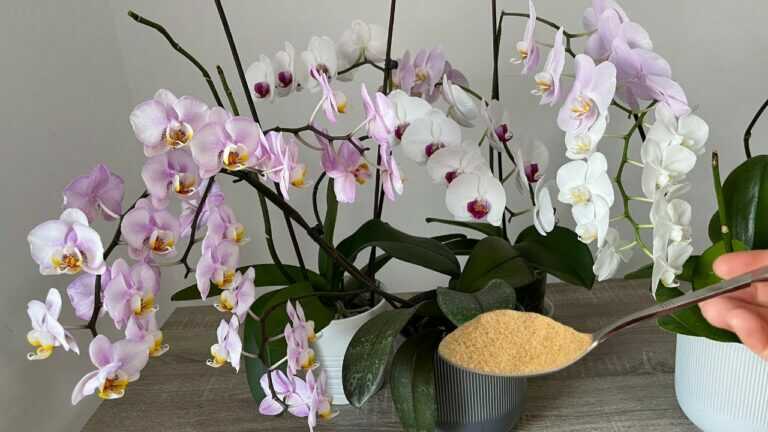
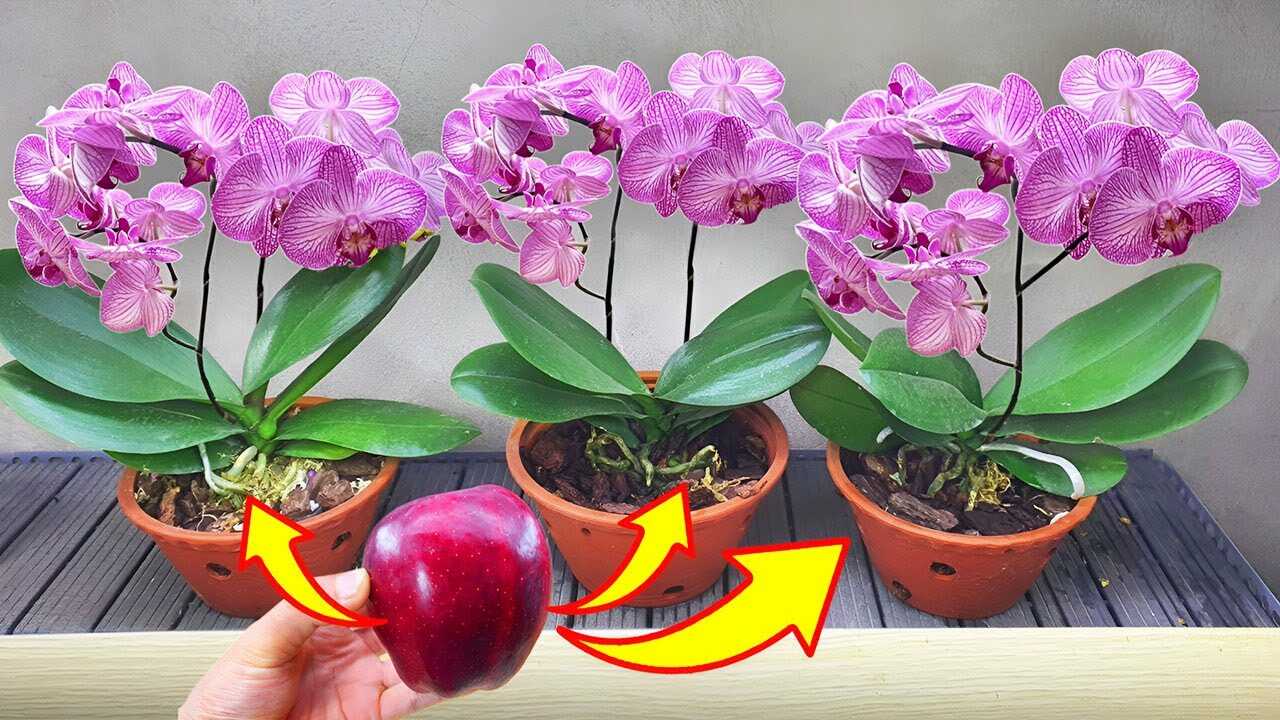
You’re looking at three Phalaenopsis and a **red apple** in the foreground. That apple is my visual anchor — not a prop. When used correctly, an apple can be turned into a mild, natural **compost tea** that feeds the orchid rhizosphere with simple sugars and trace nutrients (including small amounts of **potassium**) and supports beneficial microbes. This is a supplement to proper light, watering, drainage and fertilization — not a miracle cure. Expect measurable improvement in bud set and root activity over 4–8 weeks when combined with good basic care.
Why an apple? A quick botanical justification
Apples are rich in **simple sugars** and organic acids that can feed beneficial soil microbes, and they contain small amounts of **potassium (K)** — a nutrient involved in flower development. Feeding the rhizosphere’s microbial community can increase mineralization and nutrient availability to orchid roots. Important caveat: whole ripe apples release **ethylene gas**, which can cause bud or flower drop if placed next to open flower spikes — so do NOT leave whole fruit by flowering orchids.
Step‑by‑step: Make and use an apple compost tea for your orchids
- Ingredients: 1 small organic red apple (or 100 g apple peels), 2 liters of dechlorinated water.
- Preparation (infusion): Chop the apple or use peels. Place in a clean jar with 2 L dechlorinated water. Cover loosely and stir once a day to keep the mix aerated. Let steep for 4–7 days at room temperature until lightly fragrant (not rotten).
- Strain: Remove solids by straining through a fine sieve or cloth. Compost the solids — do not bury raw fruit in orchid pots (pests and rot).
- Dilute: Mix the strained apple infusion at a 1:10 ratio with water (one part apple tea to nine parts water). This reduces acidity and sugar concentration.
- Application dose: For a 10–12 cm orchid pot, apply 100–150 ml of the diluted tea as a root drench so it reaches the potting medium but does not flood the crown or leaves. For larger pots, use 250–300 ml.
- Frequency and season: Apply every 2 weeks during the active growth and bud‑setting season (spring through early autumn). In cooler/dormant months (late autumn–winter), reduce to once every 4 weeks or stop entirely if plants are resting.
- Expected timeline: If combined with correct light, temperature and watering, look for improved root vigour and signs of bud formation within 4–8 weeks.
Practical tips from experience
- Always dilute — undiluted apple tea can sour, encourage unwanted microbes, or change potting medium chemistry.
- Use dechlorinated water (let tap water sit 24 hours or use filtered water) so beneficial microbes survive the infusion.
- Apply as a root drench, not a foliar spray. Orchids are prone to crown rot; keep liquid away from the crown and leaf axils.
- Keep whole apples away from open spikes — ripe apples emit ethylene, which can trigger bud and flower drop in sensitive orchids.
- Combine with routine care: maintain bright, indirect light, good air circulation, correct watering schedule and a well‑draining bark or sphagnum mix. The tea supplements these essentials; it does not replace them.
When to use and when to stop
Use the apple tea during active growth and when you want to encourage bud set. Stop or reduce applications if you see increased mold growth in the medium, persistent bad odours, or if roots appear soft and mushy — these are signs to flush and correct drainage rather than feed more.
Common mistakes to avoid
- Placing raw apple pieces in potting mix — this invites fruit flies, rodents and fungal rot; never do it.
- Using the apple to “force” immediate blooms — ethylene from whole fruit can cause bud drop, not reliable bloom induction in Phalaenopsis. The tea is for root/microbe health and slow improvement, not instant flowering.
- Over‑feeding — applying rich organic teas too often causes microbial oxygen depletion and root problems. Stick to the stated frequency.
- Ignoring base care — poor light, incorrect temperature, or soggy media will negate any benefit from the tea.
Conclusion — try it as a careful supplement
This simple apple infusion is an inexpensive way to feed the rhizosphere with sugars and trace nutrients and to boost beneficial microbes that help orchids access nutrients needed for bud development. Follow the exact recipe, dilute and dose carefully, protect open spikes from ethylene, and expect changes over 4–8 weeks rather than instant results. Try one pot first, observe, and scale up if you see healthier roots and better bud set. Happy growing — and if it works for you, share your observations so other orchid lovers can experiment safely.