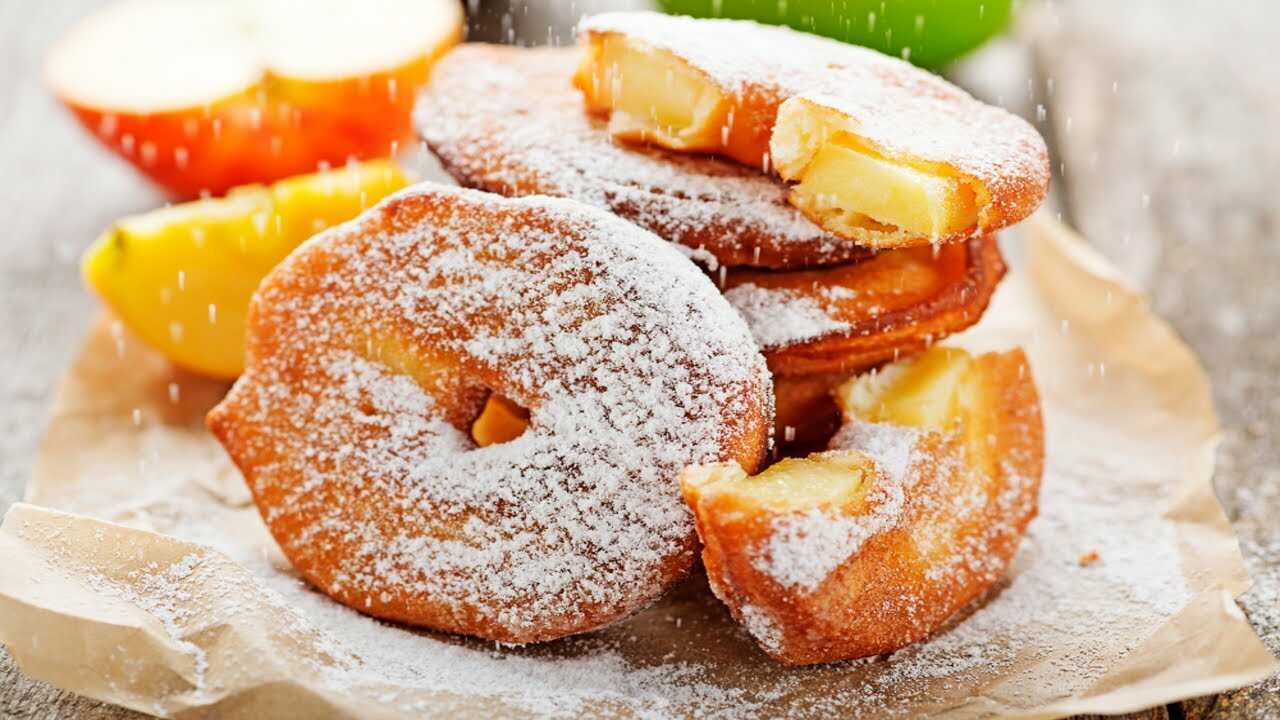
Recipe: Easy banana and apple fritters my way
Recipe: Easy banana and apple fritters my way
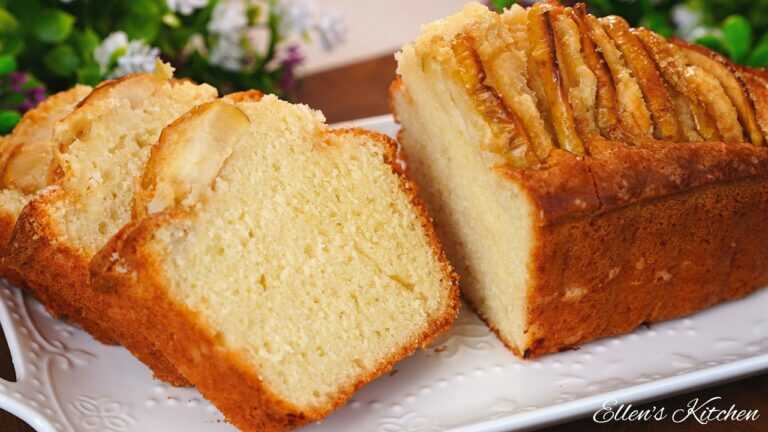
That photo-perfect stack of golden rings dusted in powdered sugar is all about the **apple** — crisp slices, visible flesh and skins, and a sweet scent that makes these fritters sing. Below you’ll find my simple fritter recipe plus a practical, garden-centered tip: how to turn the very apple scraps from this recipe into useful organic amendments for your soil.
Quick ingredients (makes 8–10 fritters)
- 2 medium apples (sliced into 1 cm rings, cores removed)
- 1 large ripe banana (mashed)
- 150 g plain flour (about 1 cup)
- 1 tsp baking powder
- 1 large egg
- 120 ml milk (1/2 cup)
- 1 tbsp sugar (optional)
- Neutral oil for frying (about 500 ml / enough for a 2–3 cm deep pan)
- Powdered sugar to dust
Step-by-step: make the fritters
- Whisk the flour, baking powder and sugar together in a bowl. In a separate bowl, beat the egg with milk and mashed banana until smooth.
- Fold the wet mix into the dry until you have a slightly thick batter. If too thick, add 1–2 tbsp milk.
- Heat oil to medium (about 170–180°C / 340–355°F). Dip each apple ring into batter to coat both sides, letting excess drip off.
- Fry 2–3 rings at a time for 2–3 minutes per side, until golden and cooked through. Transfer to paper towel to drain.
- Dust with powdered sugar and serve warm.
Garden-smart tip: what to do with the apple scraps
The apple visible in the photo isn’t just for eating — its scraps (peels, cores, small waste pieces) are a useful **organic input** for your garden. Apples are rich in simple sugars and contain **potassium, malic acid and trace minerals** that feed soil microbes and, after decomposition, become plant-available nutrients. Use them thoughtfully so you gain benefits without attracting pests.
Method A — Add to your compost bin (recommended)
- Measure: For a typical home compost bin (~100 L), add up to 1 litre of chopped apple scraps per week, balanced with 3 litres of dry brown material (leaves, shredded paper, straw).
- Preparation: Chop cores and peels into small pieces (roughly 2–3 cm) to speed decomposition and reduce pest attraction.
- Balance: Maintain a green:brown ratio of ~1:3 by volume. Turn the pile every 1–2 weeks.
- Timeline: Hot or well-managed compost will be ready in about 8–12 weeks. Use finished compost as a top-dressing or soil amendment.
Method B — Quick apple fermentation (soil drench)
- Prepare: Place 500 g chopped apple scraps in a clean 5 L jug or bucket and cover with water. Add a tablespoon of unsulphured molasses to feed microbes (optional).
- Ferment: Cover loosely and leave in shade for 2 weeks, stirring every 3–4 days to suppress odor and encourage aerobic microbes.
- Use: Strain and dilute the liquid 1:10 with water. Apply as a soil drench around vegetables and ornamentals at a rate of 1 L of diluted tea per square metre.
- Frequency & season: Apply every 3–4 weeks during the growing season (spring through early autumn). Do not overapply late in the season to avoid stimulating late vegetative growth before frost.
Practical tips from experience
- Chop small: Smaller pieces compost faster and reduce fruit flies and rodents.
- Mix well: Always bury or mix scraps into the center of the pile or trench to reduce pests and odors.
- Balance carbon: If scraps are wet and slimy, add extra dry browns (shredded cardboard/leaves) to restore balance.
- Use bokashi for urban settings: If you can’t compost openly, bokashi fermentation handles fruit waste well and results can be buried or added to a compost bin after fermentation.
Common mistakes to avoid (real botanical pitfalls)
- Adding large volumes of raw fruit scraps to the surface — this attracts rodents, slugs and fruit flies. Always bury or mix into compost.
- Skipping carbon material — too much fruit without dry material produces anaerobic, smelly compost and slows decomposition.
- Expecting instant nutrient boosts — fruit-derived nutrients must be decomposed by microbes before plants access them; allow several weeks to months.
- Overusing seed-heavy material — apple seeds contain trace cyanogenic compounds (amygdalin). Small amounts in compost are not a problem, but avoid grinding large quantities of seeds.
Conclusion — enjoy the fritters, feed the garden
These **banana and apple fritters** are an easy treat, and the apple scraps don’t have to be waste. By composting or fermenting those peels and cores you return **sugars, potassium and trace minerals** to the soil, feeding microbes and slowly improving structure. Remember: this is a complement to good gardening basics — proper light, watering, drainage and balanced fertilization — not a miracle fix. Try the recipe, save the cores, and start adding them to your compost this season.
Action: Make the fritters today and try adding the apple scraps to your compost bin this week. Note the pile’s temperature and turn schedule; in 8–12 weeks you should have rich compost to use around your fruit trees and vegetable beds.