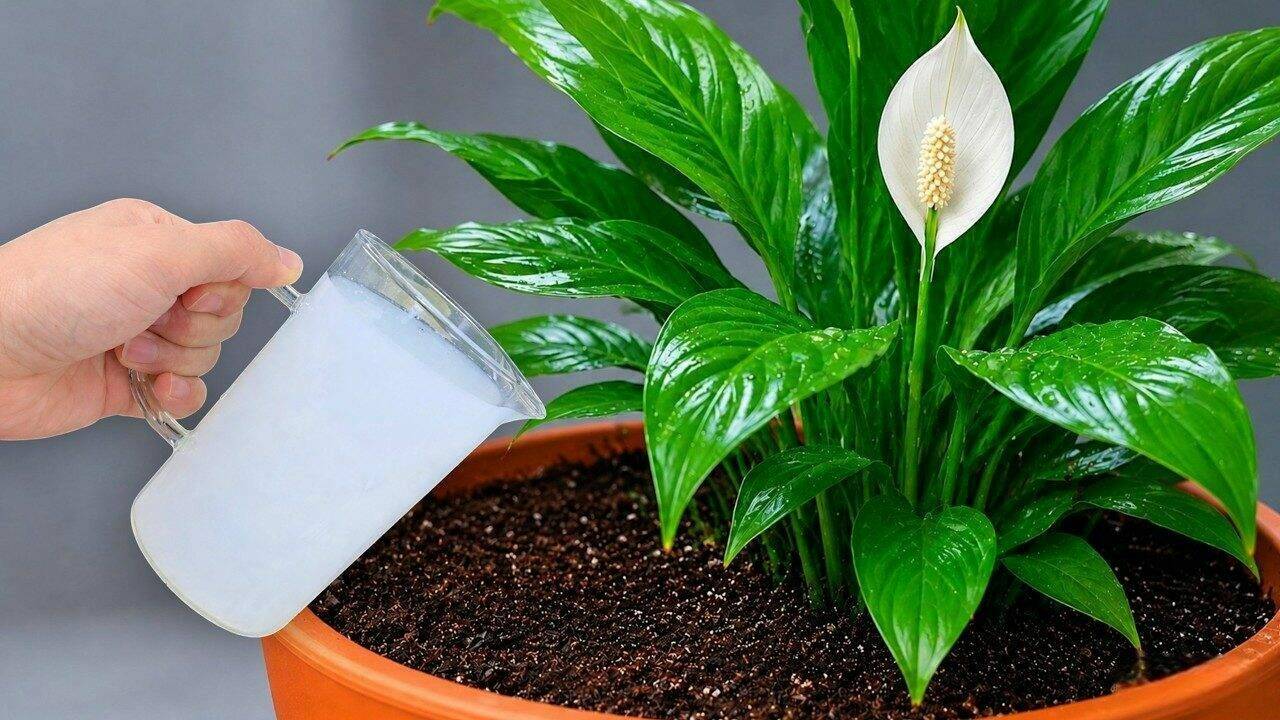
Just One Cup a Month! A Simple Homemade Plant Tonic to Support Stronger Growth and Healthier Houseplants
Just One Cup a Month! A Simple Homemade Plant Tonic to Support Stronger Growth and Healthier Houseplants
If your houseplants seem to grow slowly, produce only a few flowers, or simply lack vigor, the problem isn’t always watering. In many cases, weak root systems, compacted soil, poor drainage, or insufficient light are the real causes of poor plant performance.
Healthy roots are the foundation of every thriving houseplant. They absorb water, nutrients, and oxygen, allowing the entire plant to develop lush foliage and, for flowering species, produce blooms under the right conditions.
Alongside proper care, some home gardeners enjoy using homemade plant tonics made from everyday kitchen ingredients such as rice, bay leaves, and coffee. While these natural mixtures are popular among gardening enthusiasts, there is limited scientific evidence proving they significantly improve plant growth or flowering. They should always be considered a supplement—not a replacement—for balanced fertilizers and good horticultural practices.
Here’s how this popular home method is commonly used.
Why Do Some Houseplants Grow So Slowly?
Several factors can limit healthy growth.
The most common include:
- Compacted or poorly draining potting soil
- Weak or damaged roots
- Insufficient light
- Excessive fertilizer use
- Poor air circulation around the root zone
When roots remain healthy and well oxygenated, plants are generally better able to absorb water and nutrients.
Step 1: Prepare the Plant
Carefully remove the plant from its pot.
Gently shake away as much of the old potting mix as possible before rinsing the roots with clean water.
Inspect the root system and remove any:
- Rotten roots
- Dry roots
- Damaged roots
Allow the plant to air dry briefly in a shaded, well-ventilated location before repotting.
This step helps reduce stress and makes it easier to identify healthy roots.
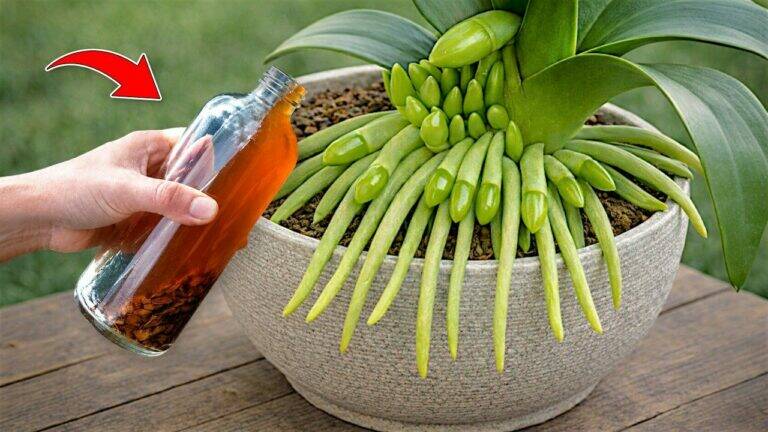
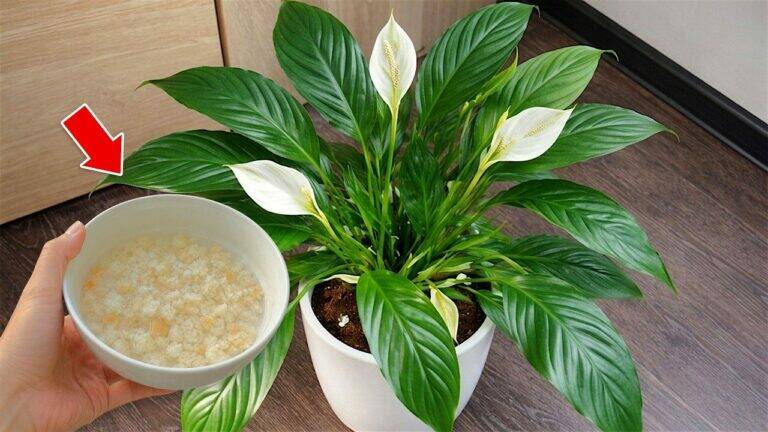
Step 2: Make a Homemade Rice and Bay Leaf Infusion
Ingredients
- 3 tablespoons of uncooked rice
- 4 dried bay leaves
- 2 cups (500 ml) of hot water
- 2 cups (500 ml) of clean water
Instructions
- Grind or crush the rice and bay leaves.
- Place them in a clean jar or container.
- Pour the hot water over the mixture.
- Stir thoroughly.
- Allow it to steep for about one hour.
- Strain out all solid particles.
- Dilute the liquid with an equal amount of clean water.
Many home gardeners use this infusion as an occasional plant tonic because it contains naturally occurring compounds released from the ingredients during steeping.
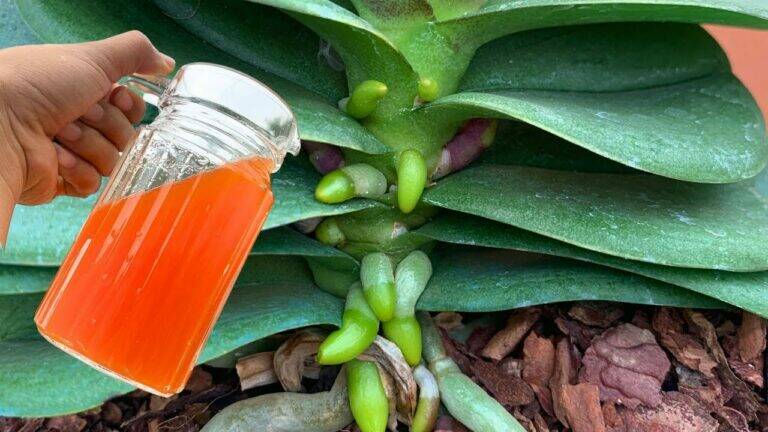
Step 3: Soak the Roots
Before repotting, place the roots in the diluted solution for approximately 15 minutes.
After soaking, gently pat the roots dry with a clean cloth or paper towel.
Avoid leaving the roots submerged for extended periods.
Step 4: Repot into Fresh Soil
Choose a pot with adequate drainage holes.
A light growing medium may include:
- 50% quality indoor potting mix
- 50% coconut coir
This combination retains moisture while allowing air to circulate around the roots, reducing the risk of root rot.
Position the plant in the center of the pot and gently fill around the roots without compacting the soil too firmly.
Step 5: Allow Time to Recover
After repotting, place the plant in a bright location with indirect sunlight.
Avoid applying additional fertilizer during the first few days while the roots recover from transplanting.
Maintain normal watering, but do not overwater.
Step 6: Prepare a Mild Coffee Solution
About two months later, some gardeners prepare a second homemade plant tonic using coffee.
Ingredients
- 1 tablespoon of ground coffee
- 2 cups (500 ml) of hot water
- 2 cups (500 ml) of clean water
Instructions
- Place the coffee in a clean container.
- Pour in the hot water.
- Stir thoroughly.
- Allow it to steep for one hour.
- Strain the liquid carefully.
- Dilute with an equal amount of clean water.
This creates a mild solution commonly used by some home gardeners as an occasional foliar treatment.
Step 7: Apply the Coffee Solution
Transfer the diluted solution to a clean spray bottle.
Lightly mist:
- Leaves
- Stems
- New growth points
Avoid soaking the foliage.
Spray early in the morning so the leaves have time to dry before evening, reducing the risk of fungal diseases.
What Results Can You Expect?
Plant recovery depends on many factors, including species, growing conditions, and the health of the root system.
With consistent care, many gardeners report gradual improvements such as:
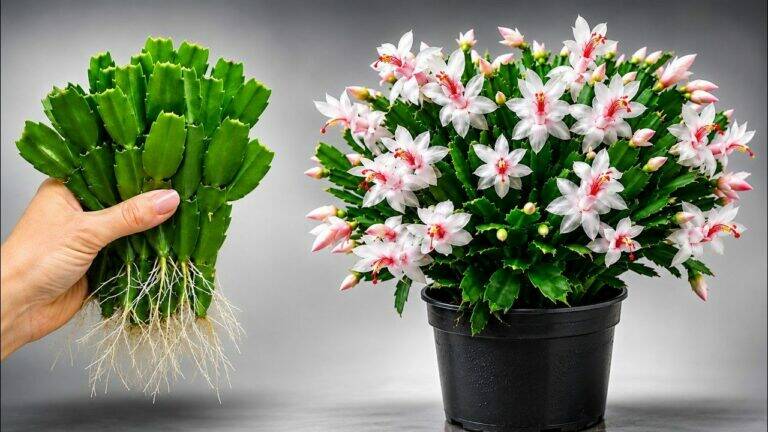
- Stronger root systems
- Larger leaves
- Richer green foliage
- Healthier stems
- Increased overall vigor
For flowering plants, blooming is influenced by light, temperature, plant maturity, seasonal cycles, and proper fertilization. No homemade mixture can guarantee continuous flowering.
Don’t Forget the Basics
Homemade plant tonics should always be combined with proper everyday care.
For healthy houseplants, remember to provide:
- Bright light appropriate for the species
- A loose, well-draining potting mix
- Containers with drainage holes
- Water only when the upper layer of soil begins to dry
- Regular inspections for damaged leaves and unhealthy roots
These simple habits contribute far more to long-term plant health than any single homemade remedy.
Final Thoughts
Healthy houseplants begin with healthy roots.
Whether you grow flowering plants or decorative foliage varieties, providing proper watering, suitable soil, good light, and regular maintenance will always produce the best long-term results.
Homemade rice, bay leaf, and coffee infusions remain popular among many indoor gardeners as inexpensive supplements made from common kitchen ingredients. While their benefits have not been conclusively proven through scientific research, they can be an enjoyable addition to a balanced plant care routine when used in moderation.
With patience and consistent care, many houseplants can develop stronger roots, healthier foliage, and, when conditions are right, more abundant blooms.