🌿 Potato Peel Water for Peace Lilies: A Simple Homemade Plant Tonic to Support Healthy Growth
🌿 Potato Peel Water for Peace Lilies: A Simple Homemade Plant Tonic to Support Healthy Growth
Meta Title
Potato Peel Water for Peace Lilies: A Natural Plant Care Method
Meta Description
Learn how to care for a struggling Peace Lily using a homemade potato peel infusion, proper watering, and simple maintenance tips for healthier leaves and roots.
SEO Slug
potato-peel-water-for-peace-lily
Potato Peel Water for Peace Lilies: Can This Simple Kitchen Scrap Help Your Houseplant Thrive?
The Peace Lily (Spathiphyllum) is one of the most popular indoor plants thanks to its elegant white flowers and glossy green foliage. While it’s generally easy to care for, even healthy plants can sometimes develop yellow leaves, slow growth, or a tired appearance.
If your Peace Lily seems to be struggling, don’t give up on it just yet. Healthy roots, proper watering, and the right growing conditions often make the biggest difference. Some home gardeners also prepare a simple infusion made from potato peels as part of their regular plant care routine.
Although many gardeners enjoy using this homemade solution, there is limited scientific evidence demonstrating that potato peel water directly improves plant growth. It is best considered a supplement to good plant care rather than a replacement for a balanced fertilizer.
Here’s how this popular home method is commonly used.
Start by Removing Damaged Leaves
Before feeding your plant, inspect it carefully.
Trim away:
- Yellow leaves
- Dry or crispy foliage
- Damaged leaves
Removing unhealthy growth allows the plant to focus its energy on producing fresh foliage and maintaining a healthy root system.
It also improves air circulation around the plant, helping reduce the risk of fungal problems.
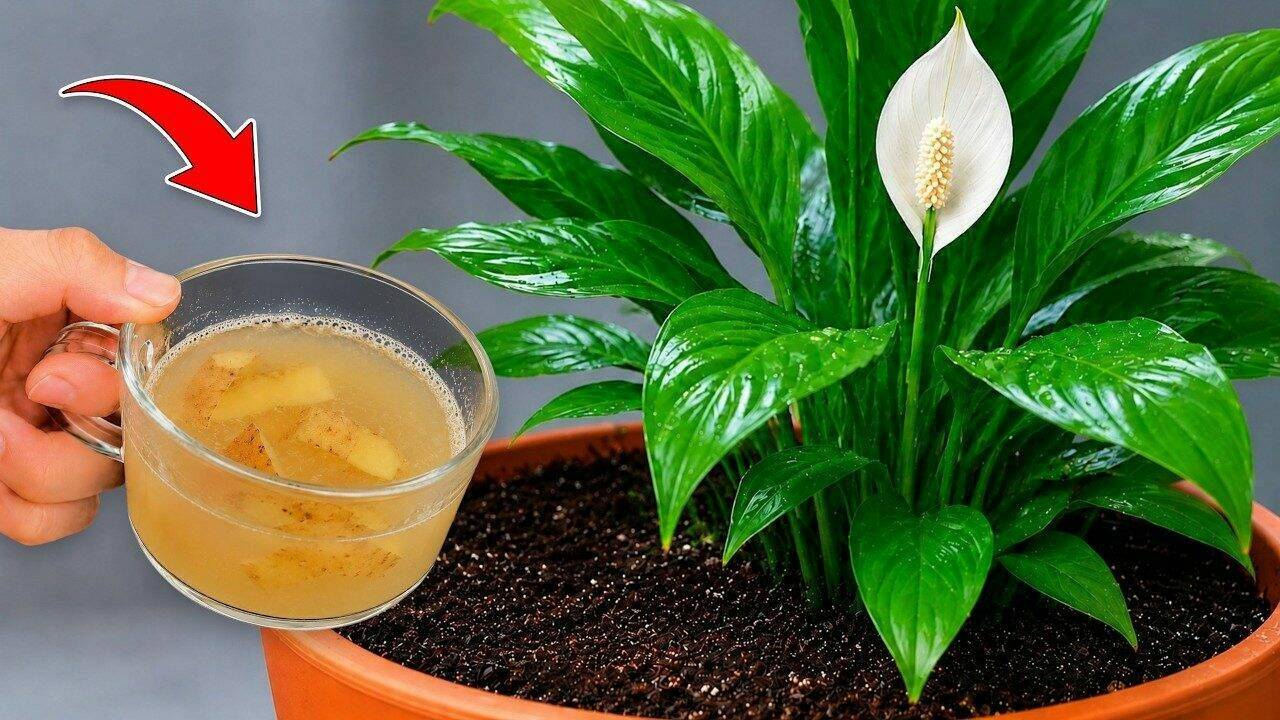
How to Make Potato Peel Water
You’ll Need
- Peels from one medium potato
- 2 cups (500 ml) of hot water
- 4 cups (1 liter) of room-temperature water
Instructions
- Cut the potato peels into small pieces.
- Place them in a clean jar or container.
- Pour in the hot water.
- Stir well.
- Cover the container and let it steep for about one hour.
- Strain out the potato pieces.
- Dilute the liquid with one liter of clean water.
The resulting mixture is commonly used by home gardeners as a gentle plant care solution.
Method 1: Wipe the Leaves
Dip a soft microfiber cloth or cotton pad into the solution and gently clean both sides of every leaf.
Regularly wiping the leaves helps:
- Remove dust and debris
- Improve light exposure
- Restore the natural shine of the foliage
- Keep the leaves looking healthy
Clean leaves are generally able to photosynthesize more efficiently than dusty ones.
Method 2: Light Foliar Spray
Transfer some of the diluted solution into a spray bottle.
Lightly mist:
- The leaves
- The surface of the potting mix
Many gardeners use this method to temporarily increase humidity around the plant while applying a mild homemade solution.
Avoid spraying during the hottest part of the day or leaving moisture on the leaves overnight.
Method 3: Water Around the Roots
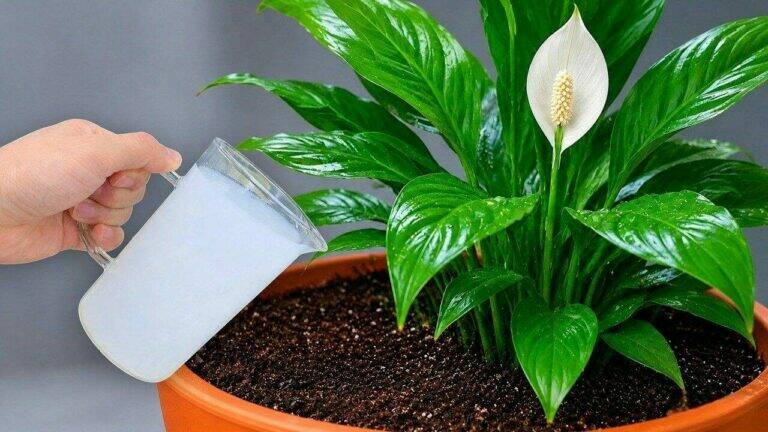
Use the remaining solution as a light soil drench.
Pour it slowly around the base of the plant, allowing the soil to absorb the liquid evenly.
When combined with proper watering habits, many gardeners use this treatment as an occasional supplement to their regular fertilizing schedule.
Remember that Peace Lilies prefer evenly moist soil, but they should never sit in water for extended periods.
An Unusual Use for Leftover Potato Slices
Instead of discarding the remaining potato pieces, some gardeners use them as a simple monitoring tool for soil pests.
Thin slices can be placed:
- On top of the potting mix
- Slightly beneath the soil surface, away from the plant’s crown
According to this gardening method, certain soil-dwelling insects and larvae may be attracted to the potato.
After 12 to 24 hours, remove and discard the slices, replacing them with fresh ones if necessary.
While this technique is commonly shared among gardeners, its effectiveness will vary depending on the type of pest present.
Creating the Best Growing Conditions
Homemade plant tonics work best when combined with proper everyday care.
Light
Peace Lilies grow best in bright, indirect light.
Avoid prolonged direct afternoon sun, which can scorch the leaves.
Watering
Keep the soil consistently moist but never soggy.
Allow the top layer of soil to dry slightly before watering again.
Humidity
As tropical plants, Peace Lilies appreciate moderate to high humidity.
Occasional misting or placing the plant near a humidifier may improve leaf quality in dry indoor environments.
Soil
Use a loose, well-draining potting mix that retains moisture without becoming waterlogged.
What Results Can You Expect?
Every plant responds differently depending on its health and growing conditions.
With consistent care over several weeks, many growers notice gradual improvements such as:
- Fresh new leaves
- Richer green foliage
- Stronger root systems
- Reduced yellowing
- Improved overall vigor
Flower production depends on many factors, including plant maturity, light levels, temperature, and proper fertilization. No homemade remedy can guarantee continuous blooming.
Extra Tips for Healthy Peace Lilies
For long-term success:
- Remove spent flowers promptly.
- Wipe dust from the leaves regularly.
- Repot every two to three years if the plant becomes root-bound.
- Feed with a balanced fertilizer formulated for flowering houseplants.
- Avoid overwatering, the most common cause of root problems.
Final Thoughts
Kitchen scraps like potato peels are often reused in home gardening, and many plant enthusiasts enjoy experimenting with homemade plant care solutions.
While potato peel water may serve as an interesting supplement, the foundation of a healthy Peace Lily remains the same: well-draining soil, proper watering, bright indirect light, and consistent care.
With patience and good growing conditions, your Peace Lily can develop lush green foliage, strong roots, and beautiful white blooms that brighten your home throughout the year.