Just One Spray Before Going Outside Can Help Keep Ticks Away
Just One Spray Before Going Outside Can Help Keep Ticks Away
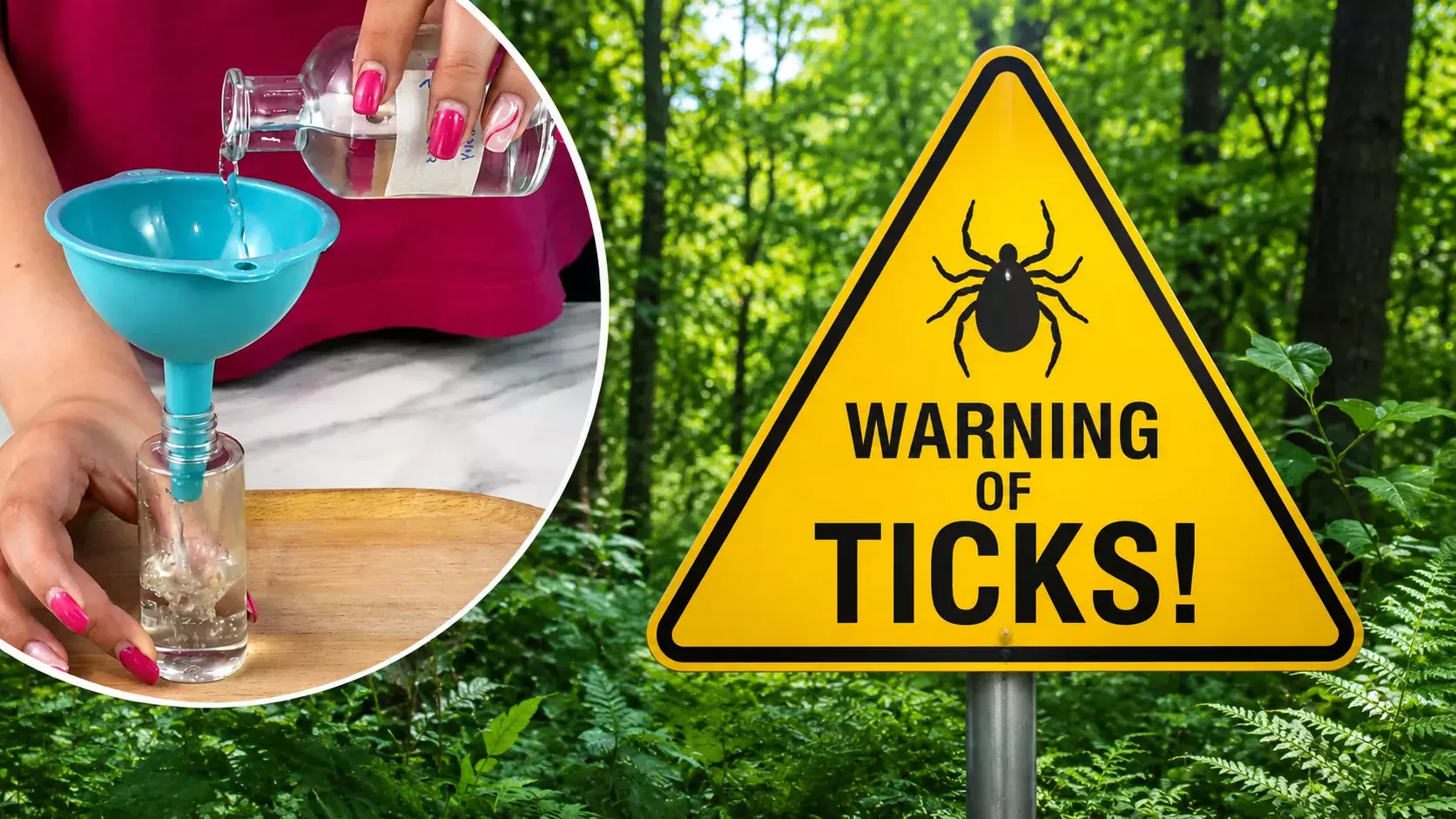
Ticks are tiny, but their bites can transmit serious diseases. They are commonly found in tall grass, wooded areas, leaf litter, gardens, and even ordinary backyards.
Social media is full of homemade remedies claiming that a single drop of formic acid, rosemary oil, vinegar, or herbal tea can provide complete protection. Unfortunately, no homemade mixture can guarantee that ticks will stay away or that you will never be bitten.
The safest strategy is to combine a proven tick repellent with protective clothing, regular tick checks, and sensible outdoor habits.
Why Tick Protection Matters
Ticks wait on grass, shrubs, and low vegetation until a person or animal brushes past them. They can then crawl onto clothing or skin and search for a suitable place to attach.
Tick exposure is possible throughout the year in some climates, although activity is generally higher during warmer months. The CDC recommends reducing exposure, using an approved repellent, wearing protective clothing, and checking yourself after outdoor activities.
The Most Reliable Tick-Repellent Ingredients
For exposed skin, choose a registered repellent containing an ingredient proven to repel ticks, such as:
- DEET
- Picaridin, also called icaridin
- IR3535
- Oil of lemon eucalyptus, or OLE
- Para-menthane-diol, or PMD
- 2-undecanone
These ingredients are used in registered skin-applied repellents and should always be applied according to the product label. Oil of lemon eucalyptus and PMD products should not be used on children younger than three.
Apply sunscreen first, allow it to settle, and then apply repellent when both products are needed.
Treat Clothing and Outdoor Gear
Another effective option is clothing or equipment treated with 0.5% permethrin.
Permethrin products can be used on items such as:
- Trousers
- Socks
- Boots
- Jackets
- Tents
- Backpacks
- Camping equipment
Never apply a clothing-treatment permethrin product directly to your skin. Treat the items according to the label and allow them to dry completely before wearing or handling them.
Pre-treated outdoor clothing is also available.
Can Formic Acid Repel Ticks?
One viral claim suggests placing a cloth on an anthill so ants cover it with formic acid, or buying a formic-acid solution and spraying it onto clothing.
This is not a reliable or recommended tick-prevention method.
Formic-acid preparations may irritate the skin, eyes, and respiratory system. Products sold as rubbing solutions or cleaning chemicals are not automatically approved for use as tick repellents.
Do not disturb anthills, place fabric over them, or spray homemade formic-acid mixtures onto yourself. Choose a properly registered repellent instead.
Does Rosemary Oil Keep Ticks Away?
Rosemary has a strong aroma, and some laboratory research has explored plant oils as insect or tick repellents. However, homemade rosemary sprays have not been shown to provide the consistent, long-lasting protection offered by registered products.
Essential oils may also cause:
- Skin irritation
- Allergic reactions
- Eye irritation
- Breathing discomfort
- Toxicity if swallowed
Pure essential oil should never be applied directly to the skin. Diluting it in water is also unreliable because oil and water do not mix evenly.
A pleasant herbal scent is not proof that a spray will prevent tick bites.
What About Tansy Tea?
Tansy is sometimes promoted as a natural tick repellent because of its intense smell.
However, homemade tansy infusions should not be sprayed onto exposed skin or used as a replacement for a tested repellent. The plant contains biologically active compounds, and its strength can vary considerably from one preparation to another.
Hanging plants near a window may add fragrance, but it should not be treated as dependable protection against ticks.
A Safer Routine Before a Walk
Before entering a grassy, brushy, or wooded area:
- Wear long trousers and a long-sleeved shirt.
- Tuck your shirt into your trousers when practical.
- Tuck trouser legs into your socks.
- Wear closed shoes or boots.
- Choose light-colored clothing so ticks are easier to see.
- Apply a registered repellent according to its label.
- Walk near the center of trails.
- Avoid sitting directly in tall grass or leaf litter.
These measures work better together than any single spray.
What to Do After Spending Time Outdoors
When you return home:
- Check your clothing for crawling ticks.
- Examine your backpack and equipment.
- Check children and pets carefully.
- Shower soon after coming indoors.
- Inspect your entire body using a mirror.
- Pay attention to warm, hidden areas.
Common hiding places include:
- Behind the knees
- Around the waist
- Under the arms
- Behind the ears
- In and around the hair
- Around the groin
- Inside the belly button
The CDC also recommends checking clothing, gear, and pets after outdoor exposure and removing attached ticks promptly.
How to Remove an Attached Tick
If you find an attached tick:
- Use clean, fine-tipped tweezers.
- Grasp the tick close to the skin.
- Pull upward with steady, even pressure.
- Do not twist, crush, or jerk it.
- Clean the bite area and your hands afterward.
Do not cover the tick with petroleum jelly, essential oil, nail polish, alcohol, or heat while it is attached. These methods can delay proper removal.
Seek medical advice if you develop a rash, fever, unusual fatigue, headache, muscle pain, or other concerning symptoms after a tick bite.
Protecting Dogs and Cats
Pets need tick protection too, but homemade sprays made with dish soap, vinegar, salt, alcohol, or essential oils should not be applied to them.
Concentrated essential oils can harm dogs and cats when placed on their skin, fur, or paws, or when swallowed during grooming. The ASPCA advises avoiding direct application because the safety risk varies according to the oil, concentration, and animal.
Never assume that something safe for a person is safe for a pet.
Ask a veterinarian to recommend a species-appropriate product, such as:
- A veterinary tick collar
- An oral preventive
- A topical treatment
- A veterinary-approved shampoo or spray
Products intended for dogs may be extremely dangerous to cats, particularly certain permethrin-containing treatments.
Avoid Dish Soap and Vinegar Pet Sprays
A mixture of water, dish soap, vinegar, shampoo, and salt is not an appropriate long-term tick preventive.
It may:
- Irritate the skin
- Dry or damage the coat
- Cause discomfort around the eyes or nose
- Be swallowed during grooming
- Fail to provide lasting protection
It should never replace a veterinarian-approved parasite treatment.
Be Careful with Diatomaceous Earth
Diatomaceous earth is sometimes rubbed into an animal’s coat to kill fleas or ticks.
The powder can irritate the eyes, skin, and lungs when it becomes airborne. Pets may also inhale or swallow it while grooming.
Do not dust an animal or its bedding with this product unless a veterinarian has specifically advised you how to use an appropriate formulation safely.
How to Make Your Yard Less Attractive to Ticks
You can also reduce tick habitat around the home by:
- Keeping grass short
- Removing piles of leaves
- Clearing dense brush
- Moving woodpiles away from the house
- Keeping play equipment away from wooded borders
- Creating a dry barrier between lawns and vegetation
- Discouraging wildlife from entering frequently used areas
These steps cannot remove every tick, but they can reduce the places where ticks hide.
Common Tick-Repellent Myths
“One drop provides complete protection.”
No repellent provides a 100% guarantee. Protection depends on the product, active ingredient, concentration, application, weather, perspiration, and length of exposure.
“A natural product is always safer.”
Natural substances can still irritate the skin, cause allergies, poison pets, or be unsafe when inhaled or swallowed.
“A strong smell means it works.”
A strong scent does not prove that a substance repels ticks effectively or for a meaningful length of time.
“Ticks are only active in spring.”
Tick activity varies according to species, climate, and location. In some regions, exposure can occur during much of the year.
Final Thoughts
There is no single homemade drop that can guarantee instant or complete protection from ticks.
The most dependable approach is to use a registered repellent containing DEET, picaridin, IR3535, OLE, PMD, or another approved active ingredient. Combine it with long clothing, treated gear, sensible trail habits, and a thorough tick check after every outdoor trip.
For pets, avoid experimental vinegar, soap, essential-oil, or powder treatments. Use a preventive recommended by a veterinarian and check your animal carefully after every walk.
A few minutes of proper preparation can greatly reduce your risk without relying on unsafe or exaggerated internet remedies.