Just put 1 spoon under the pot! Peace lily blooms profusely all year round without stopping
Just put 1 spoon under the pot! Peace lily blooms profusely all year round without stopping
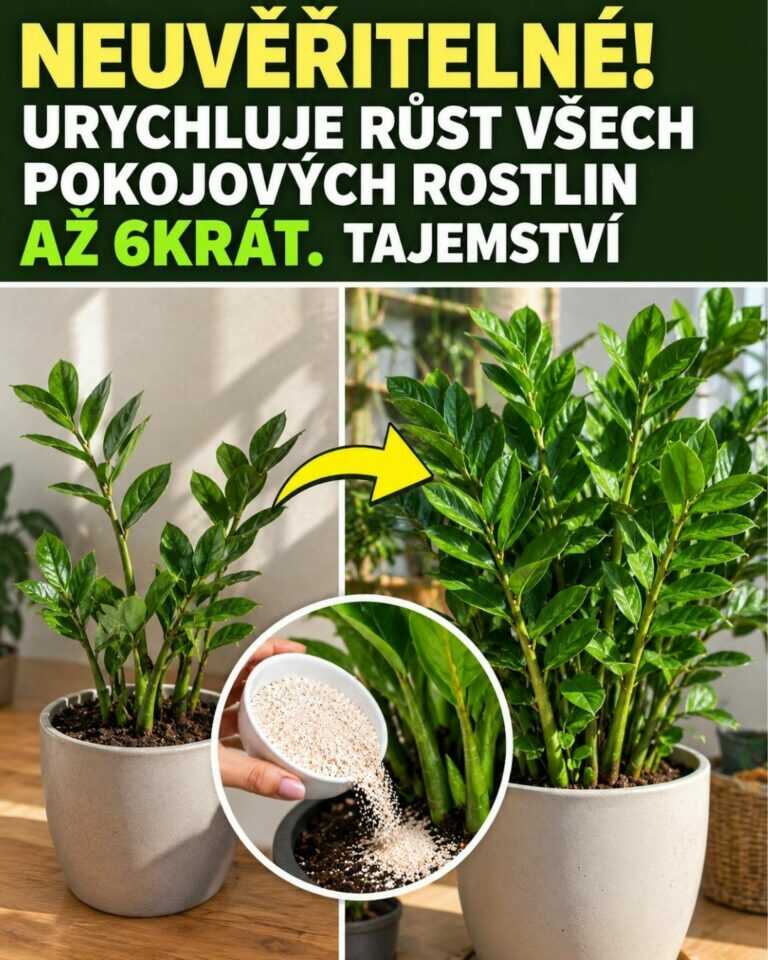
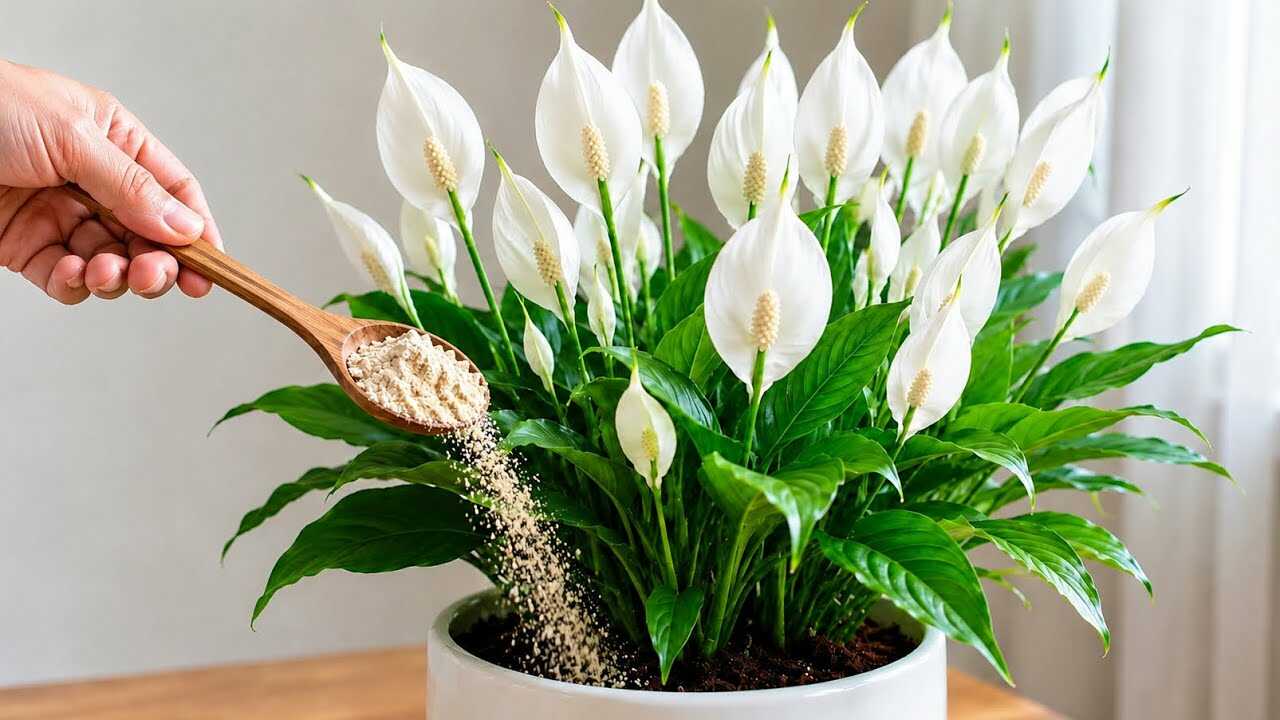
In the photo you can see a wooden spoon gently sprinkling a fine, light-beige powder onto the soil of a lush peace lily (Spathiphyllum) with bright white spathes. That powder is most consistent with garden-grade bone meal — a coarse, off-white to tan powder commonly used to supply phosphorus and calcium. Below is a practical, botanically grounded method to use bone meal as a targeted supplement so your peace lily produces more blooms over the growing season.
Why bone meal helps peace lilies
Bone meal is a slow-release source of **phosphorus (P)** and **calcium (Ca)**. Phosphorus is a well-documented nutrient that supports **flower bud formation** and energy transfer within the plant (ATP), while calcium helps cell wall strength and root development. Used properly, bone meal can nudge a peace lily toward more frequent and robust spathe formation when combined with correct light, water and soil conditions.
Materials you’ll need
- Pure bone meal labeled for garden use (avoid culinary or raw bone scraps)
- Wooden or plastic measuring spoon (teaspoon preferred)
- Gloves (optional) and a small trowel or a finger to work material into the soil
- Container-grown peace lily in a well-draining potting mix
Step-by-step: how to apply bone meal to your peace lily
Follow these exact, season-aware measurements and timing to avoid overfeeding and to get reliable results.
1. Choose the right dose
- Small pots (4–6 inch diameter): 1 teaspoon (≈5 g).
- Medium pots (8–10 inch diameter): 1 tablespoon (≈15 g).
- Larger containers: increase proportionally by pot volume (≈1 tablespoon per additional gallon of soil).
2. Application method
- Spring to early autumn (active growth): sprinkle the measured bone meal evenly around the root zone on the soil surface—keep it at least 1–2 cm away from the plant crown and stems.
- Gently work the powder into the top 1 cm of potting mix with your fingertip or a small tool so it contacts the soil but not the stem base.
- Water thoroughly after application to move phosphorus into the root zone; bone meal is slowly soluble, so water helps make it accessible to roots.
3. Frequency and seasonal timing
- Active season (spring–summer): apply once every 8 weeks.
- Late season (early autumn): apply one final dose, then stop regular applications during winter dormancy.
- Winter (rest period): do not feed with bone meal; reduce or stop fertilization—apply only once every 12 weeks at most if the plant remains actively growing indoors.
Expected timeline
Bone meal is a slow-release amendment. Expect to see subtle changes in bud set and bloom frequency over several weeks to 2–3 months after the first application, with clearer improvement across the full growing season when repeated at the recommended intervals.
Practical tips from experience
- Combine bone meal supplementation with proper basics: **bright, indirect light**, stable temperatures (65–80°F / 18–27°C), consistent but not waterlogged moisture, and a loose, well-draining potting mix.
- If repotting, mix bone meal into the fresh potting mix at roughly the same ratio (≈1 tablespoon per gallon) so nutrients are evenly distributed from the start.
- Remove spent spathes (deadheading) to encourage the plant to put energy into new buds rather than seed production.
- Check soil pH: bone meal releases phosphorus best in slightly acidic to neutral soils (pH ~6.0–7.0), which suits most peace lilies.
Common mistakes to avoid
- Do not overapply: excessive phosphorus can create nutrient imbalance and reduce uptake of iron and zinc. Stick to the dose and frequency above.
- Don’t dump powder directly against the crown or stem—direct contact can cause localized burn or rot.
- Avoid applying bone meal in very alkaline soils; it becomes less available and ineffective.
- Don’t treat bone meal as a complete fertilizer. It supplies phosphorus and some calcium but little nitrogen and potassium—continue balanced feeding if growth is weak.
- Keep bone meal away from pets; it can attract animals and some products are unsafe if ingested.
When bone meal won’t work
If your peace lily is not blooming despite correct bone meal use, investigate these real causes: insufficient light (peace lilies need bright, indirect light to bud), chronic overwatering or poor drainage (root rot prevents bloom), pests or root-bound plants (repot if roots fill the pot). Bone meal is a supplement—not a cure for these structural problems.
Conclusion — try one spoon and watch the season
If the powder in the image is bone meal, a careful application of 1 teaspoon for a 6-inch pot every 8 weeks in spring and summer—lightly worked into the soil and watered in—can supply extra phosphorus that supports more consistent spathe production over the growing season. Remember: this is a supplement to solid cultural care, not a miracle fix. Try the method for a full growing cycle (several weeks to months) and note changes in bloom count and vigor. If you see improvement, repeat on schedule; if not, reassess light, water and root health first.
Give it a try this spring—measure one teaspoon, sprinkle it as shown, and keep a simple log of bloom counts to track results. Your peace lily may reward you with steadier, more abundant spathes over the season.