My Husband’s Secret to a Mosquito-Free Patio—and It Costs Almost Nothing!
Summer evenings on the patio should be relaxing, but mosquitoes, flies and other insects can quickly ruin the atmosphere.
My husband started reusing ordinary plastic bottles to create simple garden tools and homemade traps. At first, I thought the projects looked a little unusual. Then I saw how practical some of them could be.
These ideas will not magically eliminate every mosquito or garden pest, but they can help reduce waste, organize your outdoor space and solve several everyday problems without spending much money.
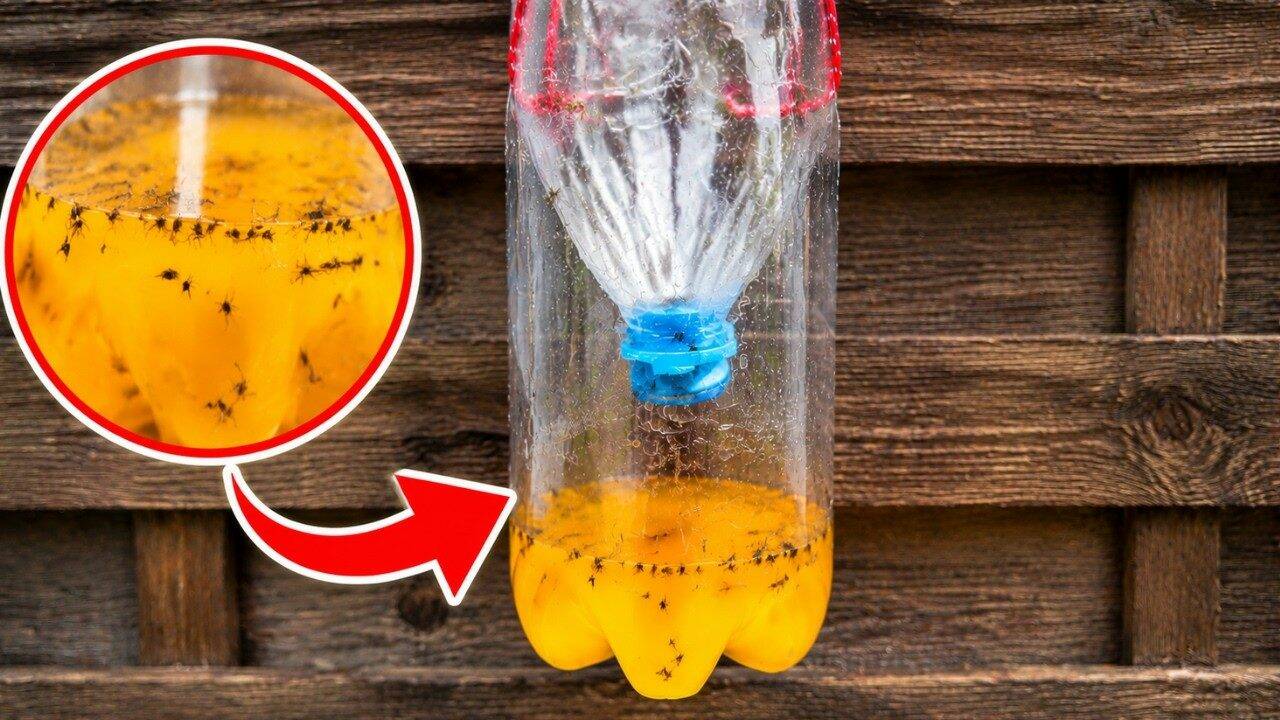
1. Make a Simple Bottle Insect Trap
A plastic bottle can be turned into a basic funnel trap for certain flying insects.
What You’ll Need
- 1 large plastic bottle
- 2 tablespoons sugar
- A small amount of water
- A fermented drink or yeast mixture
- String
- Scissors or a utility knife
- Strong tape
Instructions
Cut the bottle approximately one-third of the way down from the top.
Turn the upper section upside down and place it inside the lower section so that the bottle neck creates a funnel. Secure the edges with tape.
Add the sugar and enough liquid to cover the bottom. Some homemade versions use a fermented drink because its sweet smell may attract certain insects.
Make two holes near the upper edge and attach a piece of string.
Hang the trap several metres away from your table or seating area. Placing it beside your chair could attract insects closer instead of drawing them away.
Does It Work on Mosquitoes?
Sweet bottle traps may catch fruit flies, wasps and some other insects, but their effectiveness against biting mosquitoes is inconsistent.
Mosquitoes are strongly attracted to carbon dioxide, body heat and human scent. A homemade bottle should therefore be considered an experiment, not guaranteed protection.
Removing standing water and using a properly tested mosquito repellent remain more dependable strategies.
2. Turn a Bottle into a Slow Plant Waterer
An empty bottle can also become a simple drip-watering device.
Materials
- Plastic bottle with cap
- Cotton cord or absorbent wick
- Small screwdriver
- Water
- Supports such as wooden skewers, if needed
Method
Make a small hole in the bottle cap and thread the cotton wick through it.
Fill the bottle partly with water and screw the cap back on. Position the bottle so that the wet cotton end rests close to the soil.
The wick will slowly carry water toward the plant.
Test the device before leaving home because the flow rate can vary. A hole that is too large may empty the bottle quickly, while a tightly packed wick may release almost no water.
This system is best used as temporary support rather than a replacement for checking your plants regularly.
3. Create a Pouring Spout for Open Bags
Pouring rice, cereal, sugar or other dry ingredients from a flexible bag can be messy.
Cut the neck and cap from a clean plastic bottle. Pass the open end of the food bag through the bottle neck, fold the bag outward and screw the cap into place.
You now have a reusable pouring spout that can help control portions and reduce spills.
Wash and dry the bottle section completely before using it with food. Do not reuse bottles that previously contained chemicals or cleaning products.
4. Separate Egg Yolks with a Plastic Bottle
This is one of the simplest bottle tricks.
Crack the egg into a bowl. Gently squeeze a clean, empty plastic bottle and hold the opening directly over the yolk.
Release your grip slowly. The suction should lift the yolk into the bottle while leaving most of the white behind.
Squeeze the bottle again over a second bowl to release the yolk.
Wash the bottle thoroughly after contact with raw egg and avoid touching other kitchen surfaces until your hands have been cleaned.
5. Do Not Heat Plastic Packaging with a Knife
Some videos recommend folding plastic packaging over a knife and heating the edge to seal it.
This method is unsafe. Heating plastic can release unpleasant fumes, damage the knife and cause burns or a fire.
A safer option is to use:
- Food-storage clips
- Reusable sealing strips
- Airtight containers
- A commercially manufactured bag sealer
Keep all open flames and heated tools away from plastic packaging.
6. Make a Fruit-Fly Bottle Trap
Apple cider vinegar is commonly used to attract fruit flies.
Ingredients
- Approximately 200 ml apple cider vinegar
- A small amount of water
- A few drops of dishwashing liquid
- Empty bottle or jar
Instructions
Mix the vinegar, water and dishwashing liquid.
Pour it into the bottle and make several small entry holes in the upper section or use a paper funnel.
Place the trap close to the fruit bowl, rubbish bin or sink—where fruit flies are appearing.
The vinegar attracts fruit flies, while the dishwashing liquid reduces the surface tension and makes it difficult for them to escape.
This trap is less useful for mosquitoes, ants or large outdoor flies.
For lasting control, discard overripe fruit, clean drains and remove food residue.
7. A Homemade Mole Deterrent
Another recycled-bottle project uses wind and vibration in an attempt to discourage moles.
Cut several flaps into the sides of a plastic bottle and bend them outward. Place the bottle on a sturdy stick so it can spin when the wind blows.
Insert the stick firmly into the ground near an active mole tunnel. As the bottle moves, it creates sound and vibration.
Some gardeners also place dog hair near mole tunnels because they believe the predator scent may make the area less appealing.
Results vary considerably, and moles may become accustomed to repeated sounds. Avoid putting hair, chemicals or sharp materials deep inside tunnels.
Moles can also benefit a garden by eating grubs and aerating the soil, so control may not always be necessary.
8. Grow Garlic Greens in a Self-Watering Bottle
You can reuse a bottle to grow garlic shoots indoors.
What You’ll Need
- Large plastic bottle
- Potting soil
- Garlic cloves
- Absorbent strip or cotton wick
- Water
Construction
Cut off the upper part of the bottle.
Make a small hole in the cap and thread the wick through it. Turn the upper section upside down and place it inside the lower section.
Fill the upper section with potting soil. Keep one end of the wick inside the soil while the other reaches the water reservoir below.
Plant several garlic cloves with the pointed ends facing upward. Water lightly and place the planter on a bright windowsill.
The cloves will produce edible green shoots, often called garlic greens. Harvest the shoots gradually with clean scissors.
The method will not usually produce large new garlic bulbs indoors, but it can provide flavorful greens for soups, salads and sandwiches.
9. Make an Aromatic Cupboard Container
A small perforated bottle can hold aromatic ingredients such as bay leaves and cloves.
Ingredients
- Clean plastic bottle section
- Baking soda
- 1 dried bay leaf
- Several whole cloves
Make several holes in the upper part of the container. Add a little baking soda, the bay leaf and the cloves.
Close the container and place it in a dry cupboard.
The baking soda may absorb some odors, while the spices release a strong fragrance. However, this will not eliminate pantry moths, ants or fruit flies.
If insects are present, inspect all packets of flour, rice, cereal, nuts and pet food. Discard infested products and transfer unaffected food into sealed containers.
The Best Way to Reduce Mosquitoes Around a Patio
A homemade trap alone is rarely enough. These practical measures are more reliable:
- Empty buckets, saucers and containers that collect rainwater.
- Replace water in bird baths regularly.
- Clean blocked gutters.
- Keep swimming pools properly maintained.
- Use outdoor fans near the seating area.
- Wear protective clothing during peak mosquito hours.
- Apply a registered insect repellent according to its label.
- Repair damaged window and door screens.
Mosquitoes can breed in surprisingly small amounts of standing water, so weekly inspections around the garden can make a meaningful difference.
Final Thoughts
Plastic bottles can be reused for much more than homemade insect traps. They can become watering devices, plant containers, food-bag spouts and useful garden tools.
The key is to separate practical ideas from exaggerated promises. A bottle trap may catch some insects, but it cannot guarantee a mosquito-free patio. Wind, garden maintenance, standing-water removal and proven repellents are usually much more effective.
Still, these low-cost projects are creative ways to reduce household waste—and that may be my husband’s best secret of all.