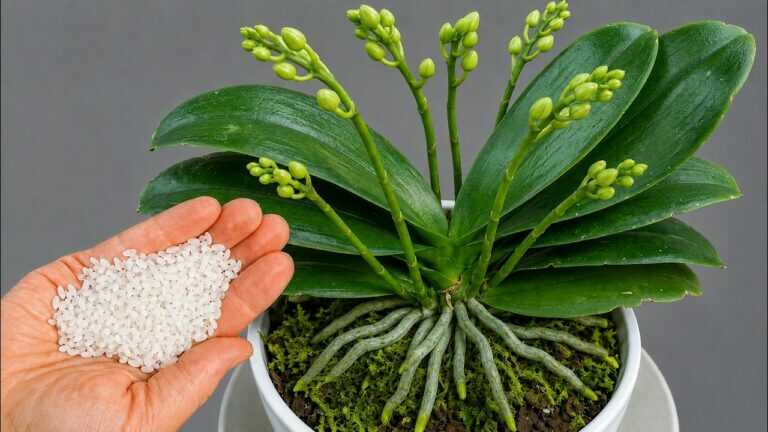
Place under orchids – Roots will grow rapidly and flowers will never stop blooming!
Place under orchids – Roots will grow rapidly and flowers will never stop blooming!
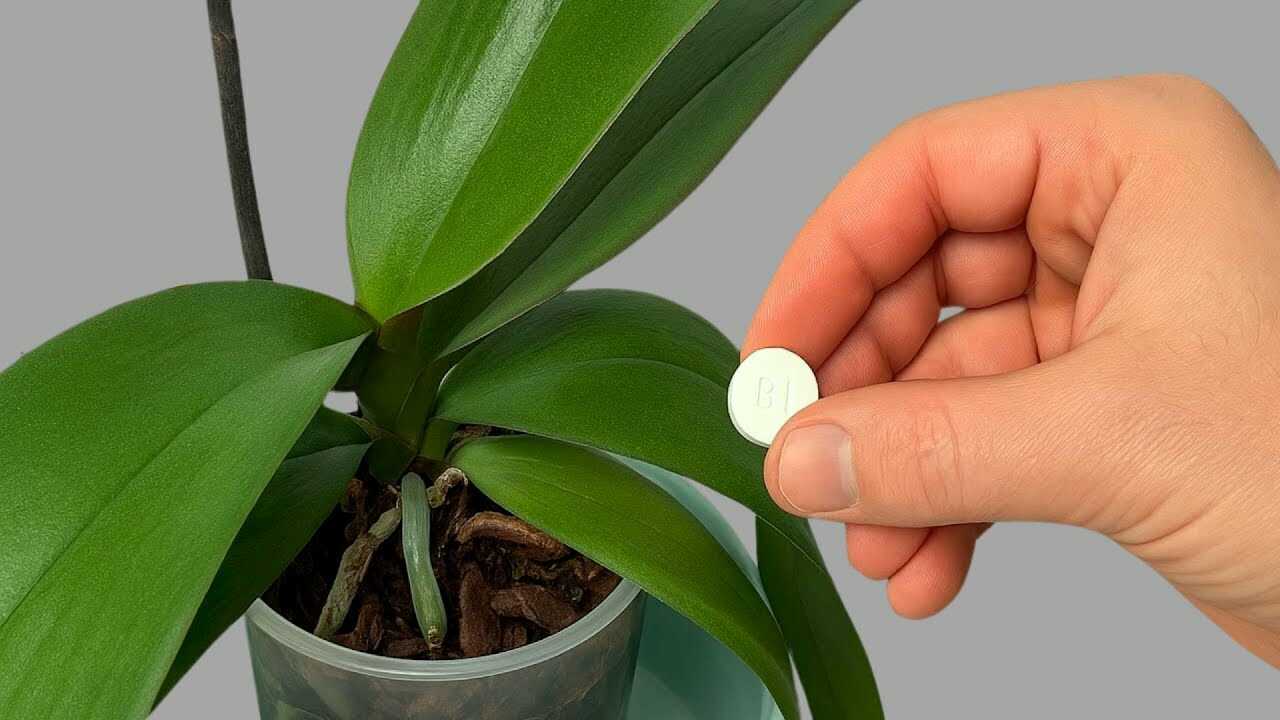
In the photo you can see a small white, round tablet (an aspirin tablet) held beside a potted Phalaenopsis. This article explains a careful, evidence-based way to use a low-dose aspirin solution to support orchid root vigour and flowering over weeks to months — as a complement to proper light, watering and potting, not a miracle cure.
Why an aspirin tablet? The botanical basis
Aspirin (acetylsalicylic acid) releases salicylic acid in plants. Salicylic acid is a naturally occurring plant signalling molecule involved in stress responses and can modulate hormonal balances that affect rooting and flowering. At low concentrations it can improve stress tolerance and promote physiological responses that help roots and blooms over time. This is why a diluted aspirin treatment is sometimes used in horticulture.
What you will need
- One standard white aspirin tablet (about 325 mg)
- Clean, lukewarm water (2 liters)
- A clean spray bottle (optional) and a watering can
- A small cup for dissolving the tablet
Step‑by‑step: prepare and apply safely
Follow these precise steps to get a reproducible, low-risk concentration and avoid damage to your orchid.
- Dissolve: Drop one 325 mg aspirin tablet into about 100–150 ml of warm water in a cup and stir until it dissolves.
- Make the working solution: Add that dissolved aspirin to 2 liters of clean lukewarm water and mix. This yields roughly 160 mg/L of acetylsalicylic acid (~0.9 mM), a concentration used by many gardeners and supported by studies as a low, effective dose.
- Application as a root drench (recommended): During the active growth season (spring–early autumn), water the orchid with the aspirin solution once every 3–4 weeks. Apply enough so the solution runs through the pot and out the drainage holes, then allow the pot to drain fully. Use plain, pH‑appropriate water for regular watering between treatments.
- Optional foliar spray (use sparingly): Lightly mist leaves with the same solution from a spray bottle, avoiding the crown and leaf axils where water can collect and cause rot. Apply foliar sprays no more than once every 4 weeks and only during warm, ventilated conditions so foliage dries quickly.
- Storage and safety: Make a fresh solution for each application or store a small batch up to 48 hours in a closed container in the fridge. Keep aspirin away from pets and children.
When to apply (seasonal guidance)
Use this routine during the orchid’s active growth and flower-production months — typically spring and summer for most Phalaenopsis. Reduce frequency or stop in winter when growth slows. Expect measurable changes over a period of several weeks to a few months, not days.
Practical tips from experience
- Always dilute: Never place an undissolved tablet into the potting mix or the saucer — undissolved tablets release a concentrated dose locally that can harm roots or alter medium chemistry.
- Mind the media: Orchids in fine bark or moss retain moisture differently. If your medium holds a lot of water, use the treatment even more sparingly to avoid soggy conditions.
- Combine with good basics: This is a supplement — keep strong practices for light, airflow, drainage and a balanced orchid fertilizer schedule. Benefits from aspirin are minor without these fundamentals.
- Monitor reactions: After the first treatment, check roots and leaves weekly. If you see leaf yellowing, soft roots, or unusual spotting, stop treatments and flush the pot with plain water.
Common mistakes to avoid
- Using undiluted tablets: Placing whole tablets in the potting mix or under the pot can create local high concentrations that burn roots or disrupt beneficial microbes.
- Over‑frequent dosing: Applying aspirin weekly or more often risks hormonal imbalances and growth inhibition. Stick to every 3–4 weeks in the growing season.
- Ignoring potting conditions: Expecting aspirin to fix poor light, waterlogging, or compacted bark is unrealistic. It won’t replace correct potting or drainage.
- Applying in cold/dull conditions: Do not apply in winter dormancy or during prolonged cool periods — plants are less able to metabolize treatments then.
What to expect and how long it takes
Low-dose aspirin treatments can support stronger root initiation and may help flowering vigor as part of an overall care routine. Do not expect immediate results. Look for subtle signs of improvement — firmer, plumper aerial roots, steadier growth and slightly improved bloom retention — over several weeks to a few months. If no positive change appears after two to three applications, stop and reassess light, humidity and fertilizer practices.
Conclusion — try it thoughtfully
That white tablet in the picture can be turned into a useful, low‑dose salicylic acid treatment for orchids when prepared and applied correctly. Use one 325 mg aspirin dissolved into 2 liters of water, apply as a root drench once every 3–4 weeks in the growing season, and always pair treatments with solid basic care. Start small, observe over weeks, and adjust based on your plant’s response. If you try this, share what you see — careful observation is the best way to learn what helps your orchids thrive.