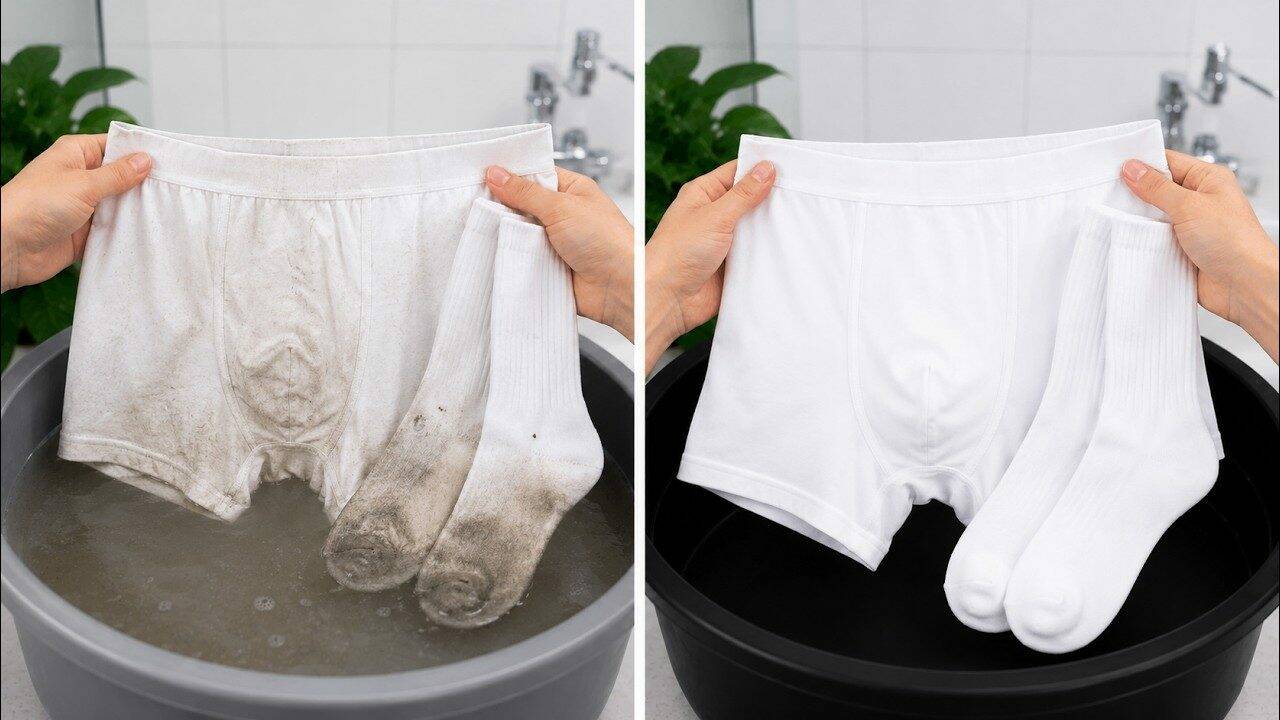
Put This in a Bowl with Your Underwear: The Simple Soaking Trick That Makes a Noticeable Difference
Underwear and delicate lingerie require more careful washing than ordinary clothing. Sweat, body oils, detergent residue, and moisture can remain trapped inside the fibers, sometimes leaving garments with unpleasant odors or a dull appearance even after a normal wash.
A simple presoak made with salt, baking soda, and warm water may help loosen residue and refresh washable fabrics before laundering. However, the method must be adapted to the garment’s material, color, and care label.
Here is how to try it safely, along with several useful tips for keeping underwear fresh, soft, and in good condition.
The Simple Salt and Baking Soda Soak
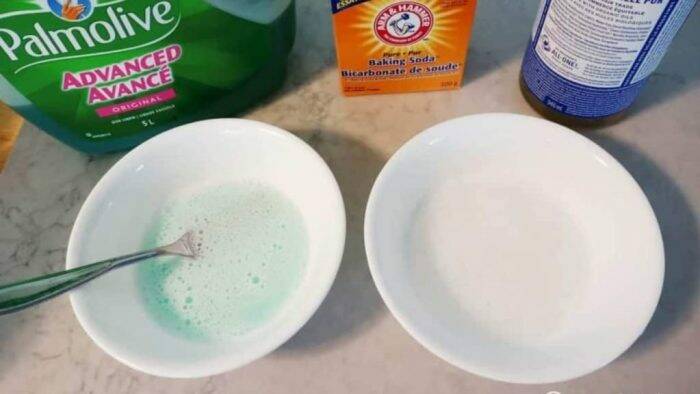
What You’ll Need
- A clean bowl or basin
- Warm water
- 1 tablespoon of salt
- 1 tablespoon of baking soda
- Your washable underwear or lingerie
How to Prepare the Soak
- Place the garments in a clean bowl.
- Sprinkle one tablespoon of salt over them.
- Add one tablespoon of baking soda.
- Pour in enough warm water to cover the fabric completely.
- Stir gently so the ingredients dissolve.
- Leave the garments to soak for approximately 10 to 15 minutes.
- Rinse thoroughly under clean running water.
- Wash according to the care label or allow them to air-dry if they only needed refreshing.
The water should be warm rather than very hot. High temperatures can damage elastic, lace, synthetic fibers, and delicate dyes.
What Does the Salt Do?
Salt is sometimes used in traditional laundry methods to help reduce color loss during short soaking treatments.
It may also help loosen light residue, but it cannot permanently fix unstable dyes or restore color that has already faded.
For colored lingerie:
- Use cool or lukewarm water.
- Soak for only a short time.
- Test the fabric first.
- Wash dark and light garments separately.
Do not assume that salt will make every colored fabric completely fade-resistant.
How Baking Soda Helps
Baking soda is mildly alkaline and can help neutralize certain odors. It may also loosen detergent residue that has accumulated in washable fibers.
It is useful for:
- Light musty smells
- Sweat odors
- Detergent buildup
- General fabric refreshing
However, baking soda is not a complete disinfectant and should not replace proper washing.
It may also be unsuitable for highly delicate materials, including some silk, wool, and specialty lace. Always follow the garment label.
Do Not Soak Every Fabric the Same Way
Before using any homemade treatment, identify the material.
Cotton Underwear
Most cotton underwear tolerates a brief warm-water soak well, provided the care label allows it.
Synthetic Fabrics
Polyester, nylon, and elastane should generally be washed in cool or lukewarm water. Hot water can weaken elastic fibers.
Lace
Use gentle handling and avoid vigorous rubbing. Place delicate lace items in a mesh laundry bag before machine washing.
Silk
Do not automatically apply baking soda or salt to silk. Use a detergent specifically designed for silk and follow the care instructions.
Wool
Wool requires a wool-safe detergent and minimal agitation. Avoid this soak unless the label specifically permits it.
A Safer Way to Wash Underwear
After soaking, wash the garments according to their care labels.
For machine-washable underwear:
- Fasten hooks and closures.
- Place delicate garments in a mesh laundry bag.
- Select a gentle cycle.
- Use cool or lukewarm water.
- Add a small amount of mild detergent.
- Avoid overloading the drum.
- Remove the items promptly after washing.
Using too much detergent can leave residue behind and cause odors to return.
Should You Use Fabric Softener?
Fabric softener may leave a coating on fibers. On underwear, towels, sportswear, and moisture-wicking fabrics, this coating can trap residue and reduce absorbency or breathability.
For delicate underwear, it is often better to skip fabric softener unless the manufacturer specifically recommends it.
A properly washed and thoroughly rinsed garment should not require a heavy perfume to smell fresh.
How to Dry Underwear Correctly
Drying is just as important as washing.
After rinsing:
- Gently press out excess water.
- Do not twist delicate fabrics.
- Reshape lace or padded garments.
- Dry in a well-ventilated area.
- Keep colored items away from strong direct sunlight.
- Make sure everything is completely dry before storing.
Strong sunlight may fade colors and weaken elastic over time. However, a bright, airy location can help fabrics dry faster and reduce musty odors.
Why Underwear May Still Smell After Washing
Persistent odors usually indicate that moisture, residue, or bacteria remain in the fibers.
Common causes include:
- Using too much detergent
- Overloading the washing machine
- Leaving damp laundry in the drum
- Drying garments in a poorly ventilated room
- Storing underwear before it is completely dry
- Repeatedly washing at temperatures that are too low
- A dirty washing machine
If the smell affects several loads of laundry, clean the detergent drawer, door seal, drain filter, and drum according to the appliance manual.
How Often Should Underwear Be Washed?
Underwear should generally be washed after each wear.
Sports underwear or garments worn during hot weather should be washed promptly rather than left damp in a closed laundry basket.
Allow sweaty garments to dry before placing them in the hamper if they cannot be washed immediately. This reduces the conditions that encourage odor-causing microorganisms.
A Gentle Method for Refreshing White Laundry
The source also describes several homemade whitening treatments for curtains, shirts, socks, and towels. Some ingredients may help loosen residue, but complicated mixtures are not always more effective.
For washable white cotton items, a safer routine is:
- Check the care label.
- Pretreat stains with a suitable laundry detergent.
- Soak in warm water with an oxygen-based laundry whitener if permitted.
- Wash at the highest safe temperature.
- Dry completely.
Avoid using experimental combinations on delicate fabrics.
Be Careful with Toothpaste Laundry Hacks
Toothpaste is sometimes applied to gray or yellowed fabric because it contains mild polishing ingredients.
However, toothpaste may also contain:
- Dyes
- Oils
- Flavoring agents
- Abrasive particles
- Whitening chemicals
These ingredients can leave marks or damage delicate fibers. A proper stain remover or oxygen-based laundry product is usually more predictable.
Avoid Potassium Permanganate for Home Laundry
The source suggests using potassium permanganate followed by hydrogen peroxide to whiten socks.
This method is not recommended for ordinary home laundry.
Potassium permanganate is a powerful oxidizing chemical that can:
- Cause severe stains
- Irritate or burn the skin
- Damage fabrics
- React dangerously with incompatible substances
Use a commercial laundry whitener designed for the fabric instead.
Use Hydrogen Peroxide Carefully
A low-concentration hydrogen peroxide product may help with some stains on white, colorfast fabrics, but it must be used cautiously.
Before applying it:
- Check the fabric label.
- Test a hidden area.
- Wear gloves.
- Keep it away from children.
- Never mix it with bleach, vinegar, ammonia, or unknown cleaners.
Do not use it on colored, delicate, or non-colorfast garments without manufacturer guidance.
Do Not Use Homemade Laundry Balls Without Testing
The source also proposes making whitening balls with grated soap, baking soda, and hydrogen peroxide.
Although the ingredients are commonly used separately, homemade concentrated mixtures may behave unpredictably during storage or washing. They can harden, crumble, bleach fabric unevenly, or produce excessive foam.
It is safer to measure each compatible product at the time of washing and follow the washing-machine manufacturer’s instructions.
A Simple Routine for Fresh, Long-Lasting Underwear
For the best results:
- Wash underwear after every wear.
- Separate white, dark, and delicate garments.
- Pretreat visible stains promptly.
- Use a mesh laundry bag for lace and bras.
- Select a gentle program.
- Use only a small amount of mild detergent.
- Avoid excessive fabric softener.
- Remove garments immediately after washing.
- Air-dry them completely.
- Store them in a clean, dry drawer.
When to Replace Old Underwear
Washing cannot repair permanently damaged fibers.
Consider replacing underwear when:
- The elastic no longer holds its shape.
- Odors remain after repeated proper washing.
- The fabric is badly worn or thinning.
- Stains cannot be removed.
- The material causes irritation.
- Mold spots are visible.
Old cotton garments can sometimes be reused as household cleaning cloths, provided they are thoroughly washed first.
Final Thoughts
The salt-and-baking-soda soaking trick can be a simple way to refresh washable cotton or synthetic underwear before laundering. Baking soda may help neutralize light odors, while a small amount of salt can be used in a short presoak for some colored fabrics.
The most important steps, however, are using the right water temperature, avoiding excess detergent, drying garments completely, and respecting the care label.
Simple, gentle cleaning usually protects delicate lingerie better than strong or complicated chemical mixtures.