Stick Aluminum Foil to the Wall. After One Night, You’ll See the Truth
Stick Aluminum Foil to the Wall. After One Night, You’ll See the Truth
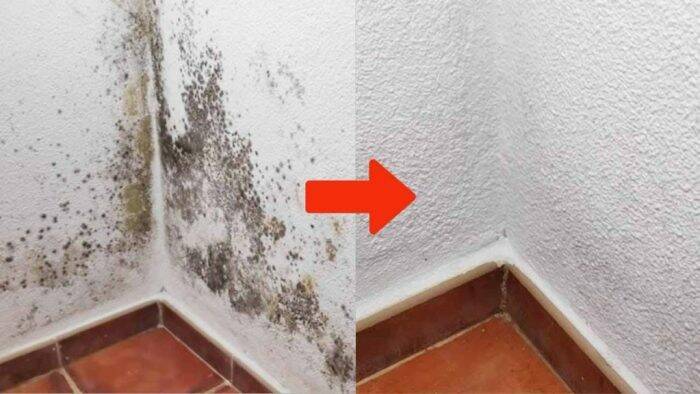
Mold often appears in bathrooms, around windows, behind furniture, or in poorly ventilated corners. Before cleaning it, it is important to understand why it is developing.
Excess humidity, condensation, insufficient ventilation, leaking pipes, and cold walls are among the most common causes. Removing the visible marks may improve the appearance temporarily, but the mold will usually return if the source of moisture is not corrected.
Here are several practical ways to identify moisture problems, clean small areas of surface mold, and reduce the risk of it returning.
1. The aluminum foil test for hidden moisture
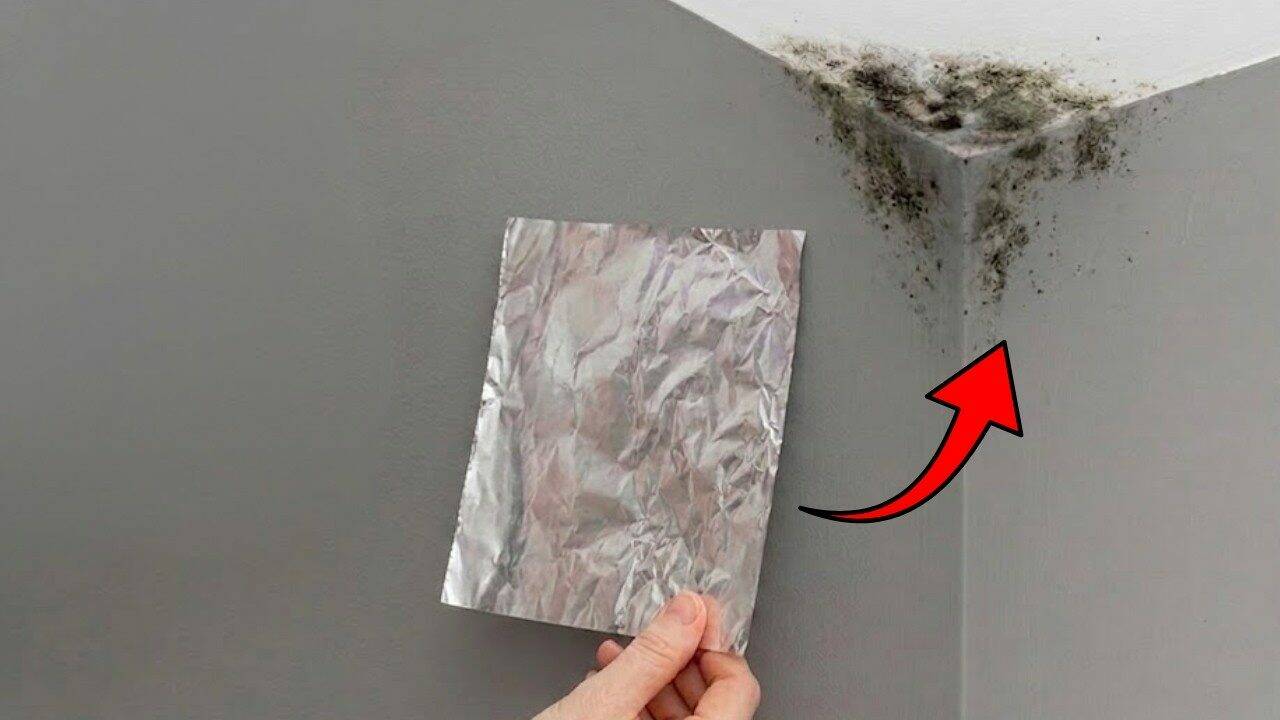
If you are unsure whether moisture is coming through a wall or forming because of condensation inside the room, a simple aluminum foil test may provide a useful clue.
Cut a square of aluminum foil and tape it firmly to the affected wall, sealing all four edges.
Leave it in place overnight or for approximately 24 to 48 hours.
When you remove it, check where the moisture has formed:
- If water appears on the room-facing side, indoor condensation is probably the main problem.
- If moisture is trapped between the foil and the wall, dampness may be entering through the wall.
This test does not identify the exact cause, but it can help determine whether you should focus on ventilation or investigate a leak, damaged seal, or moisture infiltration.
2. Improve ventilation before treating the mold
Poor air circulation allows moisture to remain on walls, ceilings, windows, and bathroom surfaces.
Open the windows regularly to create a flow of fresh air. Some modern windows also have a micro-ventilation position that allows a small amount of air to enter without opening them completely. Check the window manufacturer’s instructions before adjusting the handle.
When cooking, use the extractor hood to remove steam.
In the bathroom, run the ventilation system during the shower and leave it operating afterward. You can also open the window or door once the shower is finished.
Wipe condensation from windows and wet bathroom surfaces instead of allowing it to dry naturally.
3. Never mix vinegar with hydrogen peroxide
Some homemade recipes recommend combining vinegar and hydrogen peroxide in the same bottle. This should be avoided.
Mixing them can produce peracetic acid, an irritating substance that may harm the eyes, skin, and respiratory system.
Use only one cleaning product at a time, ventilate the room well, wear gloves, and never combine household cleaners unless the manufacturer specifically confirms that it is safe.
4. A simple vinegar spray for small surface marks
White vinegar may help clean light mold marks from certain non-porous surfaces.
You will need:
- White vinegar
- A spray bottle
- Disposable cloths
- Protective gloves
Pour undiluted vinegar into the spray bottle.
Apply it to the affected area and allow it to remain for about one hour.
Wipe the surface with a disposable cloth, then dry it completely.
Do not use vinegar on marble, natural stone, unsealed grout, or surfaces that may be damaged by acid. Test it first on a small hidden section.
Dispose of the cloth after cleaning or wash it separately at a high temperature when the fabric permits.
5. Hydrogen peroxide as a separate alternative
A standard 3% hydrogen peroxide solution can be used separately on some washable surfaces.
Spray a small amount onto the affected area.
Allow it to work for approximately 10 minutes.
Wipe the surface and dry it thoroughly.
Hydrogen peroxide may lighten certain materials, fabrics, paint, or grout, so test it in an inconspicuous place first.
Never apply it immediately after vinegar or another cleaning chemical. Rinse and dry the surface thoroughly before changing products.
6. Cleaning bathroom tiles and shower grout
Soap residue, dirt, and constant moisture can encourage mold around shower joints.
For a basic cleaner, combine:
- One cup of warm water
- A small amount of dishwashing liquid
Apply the mixture with a soft brush or sponge.
Scrub the tiles and grout gently, then rinse with clean water and dry the entire area.
For remaining mold marks, use either vinegar or hydrogen peroxide separately, provided the surface is compatible.
Cleaning removes dirt, but keeping the area dry afterward is what helps prevent rapid regrowth.
7. Baking soda for odors and light cleaning
Baking soda can help absorb odors and clean light surface dirt, but a small bowl of it will not dehumidify an entire room or solve a serious mold problem.
To prepare a mild cleaning paste, mix baking soda with a small amount of water.
Apply it to a compatible surface, scrub gently, rinse, and dry.
Avoid using an abrasive paste on delicate paint, polished surfaces, or materials that scratch easily.
8. Do rice, salt, cloves, and bay leaves prevent mold?
Bowls filled with rice, salt, cloves, or bay leaves are frequently presented as natural dehumidifiers.
Salt and dry rice can absorb a limited amount of nearby moisture, while cloves and bay leaves may add fragrance. However, a small container is not powerful enough to control the humidity of an entire bedroom or bathroom.
These bowls may help slightly inside a small cupboard, but they do not replace:
- Regular ventilation
- A functioning extractor fan
- Heating
- Repairing leaks
- Proper insulation
- A real dehumidifier
Replace any absorbent material immediately if it becomes wet, dirty, or moldy.
9. Avoid adding laundry products or alcohol to open bowls
Some viral recipes suggest combining salt, scented laundry detergent, and rubbing alcohol in an uncovered container.
This is not recommended. Alcohol is flammable, and concentrated fragrances may irritate sensitive people or animals.
A proper moisture absorber or electric dehumidifier is a safer and more effective choice.
10. Cleaning mold from window seals
Condensation frequently collects around window frames and rubber seals.
Prepare warm water with a small amount of dishwashing liquid.
Clean the frame and seals using a soft cloth or toothbrush.
For compatible surfaces, treat remaining marks with either vinegar or 3% hydrogen peroxide—not both.
Wipe everything clean and dry the seals carefully.
Check that drainage holes are open and that the window closes correctly. Damaged seals should be repaired or replaced.
11. How to stop condensation from returning
To reduce moisture around windows and walls:
- Ventilate the room every day.
- Use extractor fans while cooking or showering.
- Dry wet surfaces promptly.
- Avoid drying large amounts of laundry indoors without ventilation.
- Keep furniture slightly away from cold exterior walls.
- Maintain steady indoor heating during cold weather.
- Repair leaks as soon as possible.
- Use a hygrometer to monitor humidity.
- Consider a dehumidifier if humidity remains high.
Indoor relative humidity is generally best kept around 30% to 50%, although conditions vary according to the climate and season.
12. When professional help is necessary
Small spots of surface mold can often be cleaned safely. A larger or recurring problem may indicate water damage, inadequate ventilation, or moisture inside the structure.
Contact a qualified professional when:
- The affected area is extensive.
- Mold returns soon after cleaning.
- The wall feels wet or damaged.
- There is a persistent musty smell.
- A pipe, roof, or exterior-wall leak is suspected.
- Mold has entered insulation, plasterboard, carpets, or other porous materials.
- Someone in the home experiences respiratory symptoms.
Do not simply paint over visible mold. The source of moisture must be identified and corrected first.
The aluminum foil test can provide an initial clue, but lasting mold control depends on proper ventilation, moisture management, and repairing the underlying cause.