Forget Pulling Weeds by Hand. This Homemade Mix Does the Hard Work for You
Forget Pulling Weeds by Hand. This Homemade Mix Does the Hard Work for You
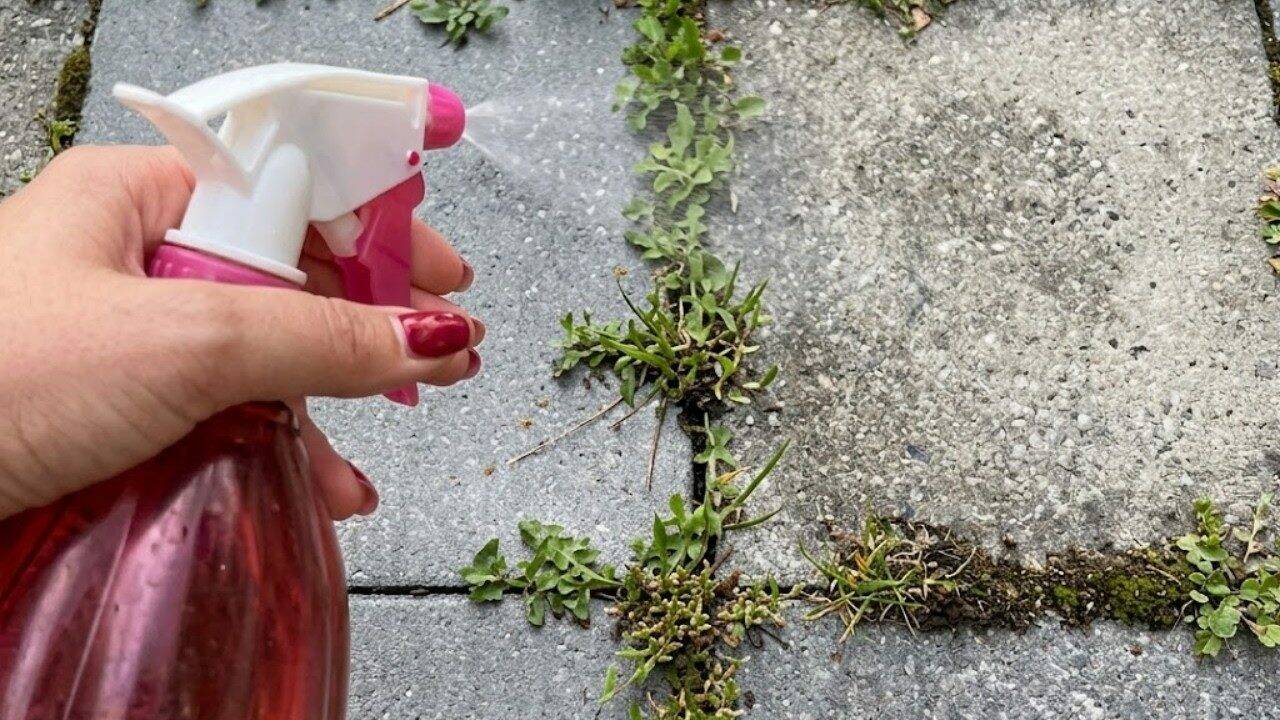
Weeds growing between paving stones, along driveways, sidewalks, and garden paths can quickly make an outdoor space look neglected. Pulling them out by hand is often frustrating because the roots may remain in the ground, allowing the weeds to grow back.
Many gardeners use simple homemade sprays to dry out unwanted plants on hard surfaces. While these mixtures can damage the visible parts of weeds, they should be used carefully, as they may also harm nearby plants and affect the surrounding soil.
Here are several popular homemade weed-control recipes and the safest ways to use them.
1. The Classic Vinegar, Salt and Dish Soap Spray
This is one of the best-known homemade weed sprays.
Ingredients
- 300 ml white vinegar
- 300 ml water
- 4 heaping tablespoons of salt
- A generous squeeze of liquid dish soap
Instructions
Pour the salt into a large bowl.
Add the dish soap, then pour in the vinegar and water.
Stir until the salt has dissolved.
Transfer the mixture to a spray bottle.
Spray directly onto the leaves and stems of weeds on a warm, dry, sunny day.
The vinegar helps burn the green parts of the plant, while the dish soap helps the solution stick to the leaves instead of running off immediately.
This method works best on young weeds growing between paving stones, sidewalks, patios, and driveways.
2. A Simple Three-Ingredient Version
If you prefer a smaller batch, try this simpler recipe.
Ingredients
- 300 ml warm water
- 60 ml white vinegar
- 2 tablespoons salt
- 1 tablespoon dish soap
Mix everything thoroughly and pour it into a spray bottle.
Apply directly to unwanted weeds during dry weather.
Repeat every few days if necessary until the weeds dry out.
3. How to Apply the Spray Properly
For the best results:
- Spray only on dry plants.
- Choose a sunny day with no rain in the forecast.
- Coat the leaves thoroughly.
- Avoid spraying grass, flowers, vegetables, or ornamental plants.
- Wait until the weeds have completely dried before removing them.
The spray works mainly by damaging the leaves, reducing the plant’s ability to continue growing.
4. Why Dish Soap Is Added
Dish soap is not actually a weed killer.
Its main purpose is to reduce the surface tension of water, allowing the solution to spread more evenly across the leaves and remain in contact with the plant longer.
Only a small amount is needed.
5. Cleaning Oil Stains from Paving Stones
The same source also recommends an easy method for removing fresh oil stains from paving.
For fresh stains
Pour liquid dish soap directly onto the stain.
Scrub with a stiff brush.
Add a little water and continue scrubbing.
Finally, rinse thoroughly with clean water.
For older stains
Sprinkle baking soda generously over the stain.
Add a small amount of water to create a paste.
Scrub with a stiff brush.
Rinse well and allow the surface to dry.
6. Other Homemade Weed Spray Variations
Several alternative recipes are also popular online.
One combines:
- Water
- Vinegar
- Salt
- Dish soap
Another version includes:
- Salt
- Coconut milk
- Rubbing alcohol
- A small amount of cola
Although these mixtures are widely shared on social media, there is little evidence that ingredients such as cola or coconut milk significantly improve weed control compared with the standard vinegar-based recipe.
7. Where These Sprays Should Be Used
Homemade vinegar sprays are generally intended only for hard, non-planting surfaces such as:
- Driveways
- Sidewalk cracks
- Patio joints
- Gravel paths
- Paved areas around garages
Avoid spraying them on lawns, flower beds, vegetable gardens, or near tree roots.
These mixtures do not distinguish between weeds and desirable plants.
8. Be Careful with Salt
Salt can help dry out weeds, but repeated use may also damage the surrounding soil.
Over time it can:
- Reduce soil quality.
- Harm nearby plants.
- Build up in the ground after repeated applications.
- Be carried away by rainwater.
For this reason, salt-based sprays are generally better suited to paved surfaces than to garden beds.
9. Tips for Longer-Lasting Weed Control
To reduce future weed growth:
- Pull weeds before they produce seeds.
- Sweep dirt from between paving stones.
- Refill empty joints with jointing sand.
- Install weed-resistant joint compounds where appropriate.
- Apply mulch in garden beds.
- Remove small weeds before they become established.
Final Thoughts
Homemade vinegar sprays can be a practical option for drying out weeds growing between paving stones and other hard surfaces. They are inexpensive, easy to prepare, and use common household ingredients.
However, they do not always kill deep root systems, especially in perennial weeds. Some plants may require repeated treatments or manual removal.
For long-term control, combining regular maintenance with careful application of homemade sprays usually produces the best results while helping keep your walkways, driveway, and patio looking clean and well maintained.