7 Proven Tips to Grow a Huge Basil Plant and Harvest Fresh Leaves All Season
7 Proven Tips to Grow a Huge Basil Plant and Harvest Fresh Leaves All Season
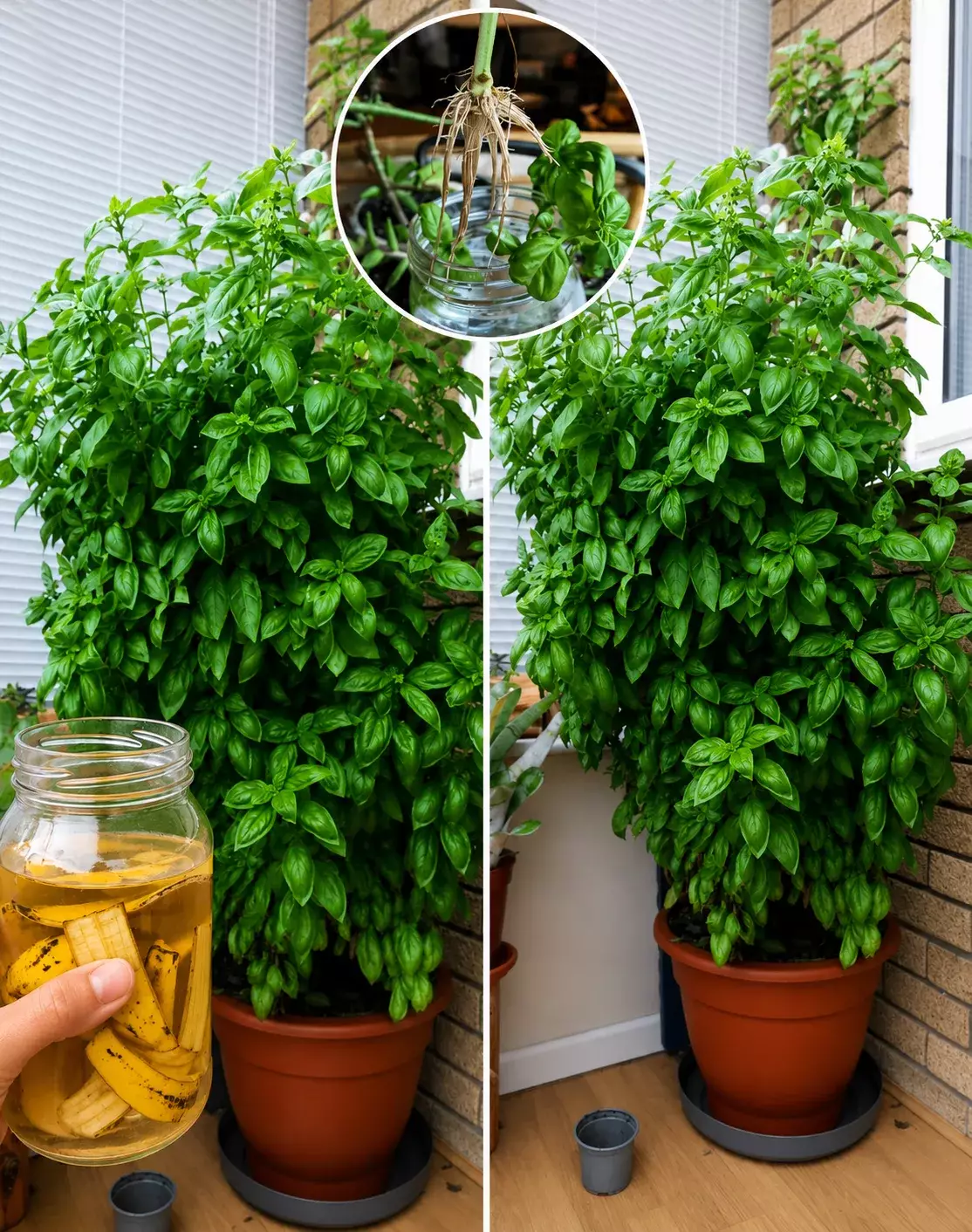
Fresh basil is one of the most rewarding herbs you can grow. Whether you enjoy making homemade pesto, adding fragrant leaves to salads, or topping pizzas with freshly picked basil, a healthy plant can provide a continuous harvest for months.
Many people assume they need several basil plants to keep up with demand. In reality, one well-cared-for plant can grow into a large, productive bush if it’s given the right conditions.
Here are seven simple techniques to help your basil thrive and produce plenty of flavorful leaves throughout the growing season.
1. Start with a Large Pot and Rich Soil
A basil plant can only grow as large as its root system allows.
If you’re growing basil in containers, choose a pot at least 12 inches (30 cm) wide with good drainage holes. A larger container allows the roots to spread, making the plant stronger and more resistant to dry weather.
Fill the pot with a light, well-draining potting mix enriched with compost or other organic matter.
Avoid heavy garden soil, which can become compacted and hold too much moisture around the roots.
2. Prune Early to Encourage Bushy Growth
One of the biggest mistakes gardeners make is allowing basil to grow into a single tall stem.
When the young plant has produced three or four sets of leaves, pinch or cut off the growing tip just above a pair of healthy leaves.
This simple pruning technique encourages two new branches to develop instead of one.
Continue pinching the tips of each new branch as the plant grows. Over time, this creates a dense, bushy basil plant with many more stems available for harvesting.
3. Water Deeply—but Don’t Overwater
Basil grows best when the soil stays evenly moist without becoming waterlogged.
Rather than watering a little every day, water thoroughly until excess water drains from the bottom of the pot.
Allow the top inch of soil to dry slightly before watering again.
Early morning is usually the best time to water, giving any moisture on the leaves time to dry during the day.
4. Give It Plenty of Sun and Warmth
Basil loves warm weather.
Choose a location that receives at least six to eight hours of direct sunlight each day.
If you’re growing basil indoors, place it in the brightest window available or use a suitable grow light to provide additional light during darker months.
Wait until nighttime temperatures remain consistently above 55°F (13°C) before planting basil outdoors.
Protect plants from unexpected cold weather, as basil is very sensitive to frost.
5. Feed It Regularly
Because basil is harvested continuously, it benefits from occasional feeding during the growing season.
Apply a balanced organic liquid fertilizer every two to four weeks according to the product instructions.
Avoid using excessive amounts of high-nitrogen fertilizer, which may encourage rapid leafy growth at the expense of flavor.
Healthy soil enriched with compost often provides much of the nutrition basil needs.
6. Remove Flower Buds Immediately
Basil naturally wants to produce flowers and seeds.
Once flowering begins, leaf production slows and the leaves may become smaller and less tender.
Inspect your plants regularly.
As soon as flower buds appear, remove the entire flowering tip just above the nearest pair of leaves.
This encourages the plant to continue producing fresh foliage instead of focusing its energy on seed production.
7. Harvest the Right Way
The way you harvest basil has a major impact on future growth.
Instead of removing individual leaves one by one, harvest entire stem tips.
Using clean scissors or pruning snips, cut just above a pair of healthy leaves.
Each cut encourages two new branches to develop, allowing the plant to become even fuller after every harvest.
Always leave enough healthy leaves on the plant so it can continue producing energy through photosynthesis.
Common Problems and How to Fix Them
Even healthy basil plants can occasionally develop problems.
Yellow Leaves
Often caused by overwatering or nutrient deficiencies.
Allow the soil to drain well and fertilize lightly if necessary.
Slow Growth
Usually caused by cool temperatures, insufficient sunlight or restricted root space.
Move the plant to a sunnier location and make sure it has enough room to grow.
Spider Mites
Tiny webs beneath the leaves may indicate spider mites.
Rinse the foliage with water and use insecticidal soap or neem oil if the infestation becomes severe.
Gray Mold
Poor air circulation and excess moisture can encourage fungal diseases.
Remove affected leaves, improve airflow and avoid wetting the foliage late in the day.
Bonus Tips for Bigger Harvests
To keep your basil productive throughout summer:
- Harvest regularly.
- Never remove more than one-third of the plant at one time.
- Rotate container plants occasionally so all sides receive sunlight.
- Remove damaged or yellowing leaves promptly.
- Keep weeds away from outdoor plants.
- Mulch lightly around garden-grown basil to help retain moisture.
Final Thoughts
Growing a large, productive basil plant isn’t about buying more seedlings—it’s about encouraging the one you have to branch, grow strong roots, and produce new leaves continuously.
With plenty of sunshine, consistent watering, regular pruning, and timely harvesting, a single basil plant can provide fresh, aromatic leaves for months.
A little attention throughout the season can reward you with a healthy, bushy herb that’s always ready for your favorite recipes.