15 Creative Ways to Use Rosemary Beyond Cooking (Plus How to Grow It Successfully)
15 Creative Ways to Use Rosemary Beyond Cooking (Plus How to Grow It Successfully)
Rosemary is best known for adding flavor to roasted vegetables, meats, breads, and soups. But this fragrant Mediterranean herb has many uses beyond the kitchen.
Its aromatic leaves contain natural essential oils and plant compounds that have made rosemary popular in home care, gardening, and traditional herbal practices for centuries. Whether you’re looking for natural ways to freshen your home or simply want to get more from a single plant, rosemary is surprisingly versatile.
Here are 15 practical ways to use rosemary, along with simple tips for growing a healthy plant at home.
1. Make a Refreshing Hair Rinse
Rosemary has long been used in homemade hair-care routines.
To make a simple rinse, simmer a few fresh sprigs in water for about 15 minutes. Allow the liquid to cool, strain it, and pour it into a spray bottle.
Spray it onto your scalp after washing your hair and gently massage it in.
While some studies suggest rosemary oil may support hair growth in certain situations, homemade infusions are milder and should not be considered a medical treatment.
2. Freshen Your Workspace
The fresh scent of rosemary can make your workspace feel cleaner and more inviting.
Keep a small bunch on your desk and gently crush a few leaves whenever you want to enjoy its fragrance.
3. Create a Natural Vinegar Cleaner
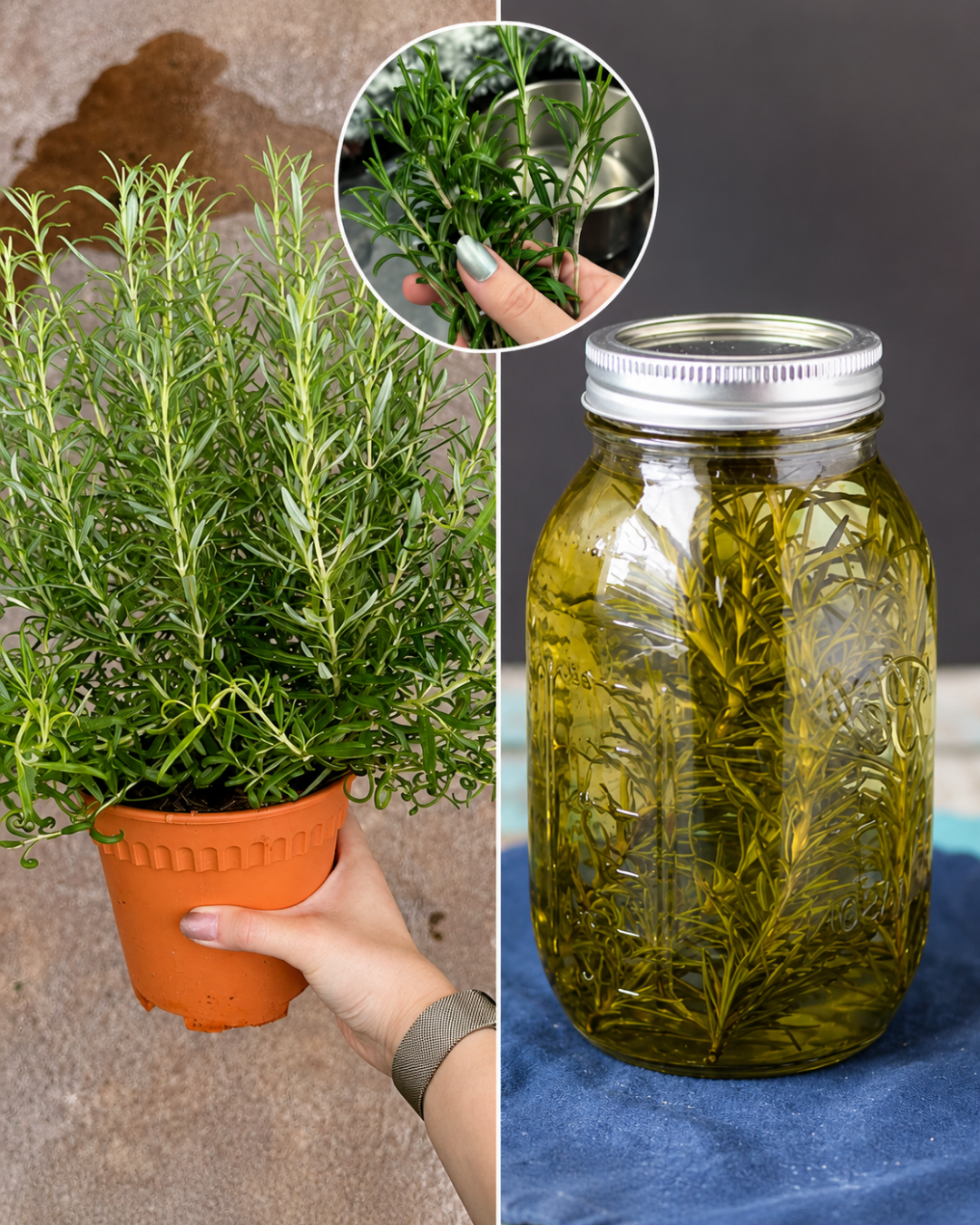
Fresh rosemary can be infused in white vinegar to create a pleasantly scented household cleaner.
Fill a glass jar halfway with rosemary sprigs, cover with white vinegar, and allow it to infuse for two to three weeks.
Strain the mixture and dilute it with an equal amount of water before using it on washable surfaces.
Always test on a hidden area first and avoid using vinegar on natural stone such as marble or granite.
4. Add Fragrance to Outdoor Evenings
Place a few rosemary branches on warm barbecue coals or an outdoor fire pit.
The aromatic smoke can make outdoor seating areas more pleasant, although it should not be relied upon as a guaranteed insect repellent.
5. Freshen Closets Naturally
Combine dried rosemary with dried orange peel and whole cloves.
Place the mixture in small fabric sachets and tuck them into drawers or hang them in wardrobes for a fresh herbal scent.
6. Enjoy an Herbal Steam
When you’re feeling congested, adding rosemary to a bowl of hot water creates a fragrant steam.
Lean over the bowl with a towel over your head and breathe the warm steam for several minutes.
Take care to avoid burns from hot water or steam, and discontinue use if irritation occurs.
7. Make a Linen Spray
Steep rosemary in hot water, allow it to cool, then strain it.
Pour the liquid into a spray bottle and lightly mist freshly washed curtains, bedding, or cushions for a subtle herbal fragrance.
Store homemade sprays in the refrigerator and use them within a few days unless an appropriate preservative has been added.
8. Help Keep Your Refrigerator Fresh
A small bundle of fresh rosemary can add a pleasant scent inside the refrigerator.
Replace the sprigs every week or two as they dry out.
Good cleaning habits remain the most effective way to prevent refrigerator odors.
9. Add Rosemary to Your Hair-Care Routine
Some people enjoy using diluted rosemary infusions as a final hair rinse after shampooing.
While rosemary is commonly used in traditional hair care, persistent dandruff or scalp irritation should be assessed by a healthcare professional.
10. Freshen Carpets Naturally
Mix finely crushed dried rosemary with baking soda.
Sprinkle a light layer over carpets, leave it for about 30 minutes, then vacuum thoroughly.
Always test a small area first to make sure no staining occurs.
11. Relax Tired Muscles
Add Epsom salts, coarse sea salt and chopped fresh rosemary to a warm bath.
Many people enjoy the soothing aroma after gardening or physical activity, although this should not be considered a medical treatment for muscle pain.
12. Enjoy a Facial Steam
Fresh rosemary and a few slices of lemon can create an aromatic facial steam.
Keep your face at a comfortable distance from the hot water and limit steaming sessions to around five minutes.
Avoid facial steaming if you have very sensitive skin or certain skin conditions.
13. Refresh Tired Feet
Add several rosemary sprigs to warm water with a little baking soda.
Soak your feet for 15 to 20 minutes to enjoy the relaxing herbal aroma.
14. Save the Stems for Your Fireplace
Don’t throw away woody rosemary stems after pruning.
Allow them to dry completely, bundle them together and use them as fragrant fire starters in wood-burning fireplaces or outdoor fire pits.
15. Freshen Kitchen Drains
A handful of chopped rosemary, baking soda and warm vinegar can help freshen kitchen drains.
After allowing the mixture to fizz briefly, flush the drain with plenty of hot water.
This may help reduce odors but should not replace proper drain maintenance or clear serious blockages.
How to Grow Healthy Rosemary
Rosemary is native to the Mediterranean and prefers conditions similar to its natural habitat.
Give It Plenty of Sun
Choose a location that receives at least six hours of direct sunlight every day.
More sunlight generally produces stronger growth and a richer fragrance.
Plant in Well-Drained Soil
Rosemary dislikes soggy soil.
Use a light, well-draining potting mix with added coarse sand or perlite if growing it in containers.
Terracotta pots are often a good choice because they allow excess moisture to evaporate.
Water Carefully
Water thoroughly, then allow the soil to dry before watering again.
Overwatering is one of the most common reasons rosemary plants fail.
Propagate from Cuttings
Growing rosemary from seed can be slow and unpredictable.
The easiest method is to take a healthy 4- to 6-inch cutting from soft new growth.
Remove the lower leaves, place the cutting in moist sand or another suitable rooting medium, and keep it warm with bright indirect light until roots develop.
Prune Regularly
Regular trimming encourages bushier growth and produces more fresh stems for harvesting.
Never remove more than one-third of the plant at one time, and avoid heavy pruning shortly before winter in colder climates.
Final Thoughts
Rosemary offers far more than culinary flavor. From homemade cleaning products and natural home fragrances to simple gardening projects and personal care routines, this hardy herb has countless practical uses.
Whether you’re growing it in a garden bed or a sunny container, a single healthy rosemary plant can provide fresh leaves almost year-round with very little maintenance.
With proper care and regular harvesting, you’ll always have this versatile herb ready whenever inspiration strikes.