11 Perennials You Should Never Divide—and What to Do Instead
11 Perennials You Should Never Divide—and What to Do Instead
Dividing perennials is one of the easiest ways to multiply plants and rejuvenate crowded flower beds. Many favorites, such as hostas, daylilies, and black-eyed Susans, actually benefit from being divided every few years.
However, not every perennial responds well to this treatment.
Some long-lived plants have deep taproots, woody crowns, or fragile storage roots that can be permanently damaged when disturbed. Dividing these plants may result in years of slow growth, poor flowering, or even the loss of the entire plant.
If you want a healthier, longer-lasting garden, here are 11 perennials that are usually best left undisturbed—and the safest ways to propagate them instead.
Why Some Perennials Shouldn’t Be Divided
The ability to survive division depends largely on a plant’s root system.
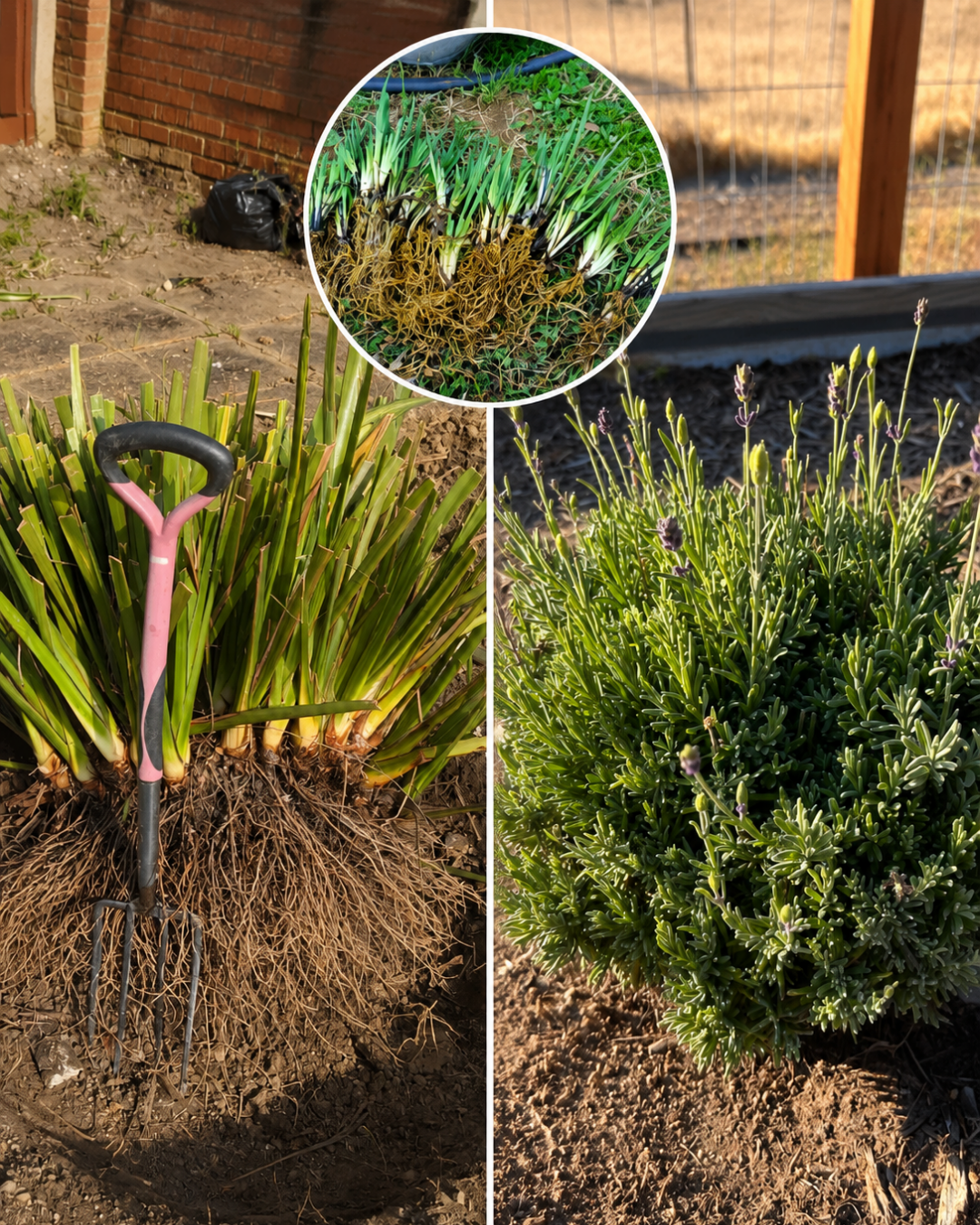
Plants with deep taproots rely on a single central root to access water deep underground. Cutting this root can severely weaken or kill the plant.
Others develop woody crowns or thick storage roots that recover very slowly after being cut.
Instead of dividing these plants, gardeners often have better success using seeds, stem cuttings, or root cuttings.
1. False Indigo (Baptisia)
False indigo develops an impressive taproot that can extend several feet into the soil.
Because this deep root anchors the plant and stores moisture, digging up mature specimens often causes severe root damage.
A better option: Grow new plants from seed or take softwood cuttings from young growth.
2. Peonies
Peonies are famous for their longevity. A healthy plant can remain in the same location for decades with very little maintenance.
Although peonies can technically be divided when necessary, doing so often delays flowering for several years.
A better option: Leave established plants where they are unless they must be moved. If relocation is unavoidable, divide them carefully in autumn, ensuring each section has several healthy growth buds.
3. Butterfly Weed
Butterfly weed is an important nectar source for pollinators, especially monarch butterflies.
Its long taproot helps it survive drought but makes transplanting or dividing extremely difficult.
A better option: Collect and sow seeds after they mature naturally.
4. Oriental Poppy
Oriental poppies disappear above ground during summer dormancy, but their large underground root remains active.
Disturbing this root often weakens the plant.
A better option: Propagate from root cuttings while the plant is dormant.
5. Bleeding Heart
Old-fashioned bleeding hearts develop thick, brittle roots that snap easily when lifted.
Broken roots often fail to recover.
A better option: Propagate using stem cuttings or allow the plant to produce seed.
6. Lavender
Although commonly grown with herbaceous perennials, lavender is actually a woody subshrub.
Its woody base does not regenerate well after being split.
A better option: Take semi-hardwood cuttings during summer to produce healthy new plants.
7. Russian Sage
Russian sage also develops a woody crown as it matures.
Dividing mature plants frequently results in poor recovery and reduced vigor.
A better option: Propagate from softwood cuttings or carefully transplant young suckers that develop away from the parent plant.
8. Baby’s Breath
Baby’s breath produces clouds of delicate flowers supported by a deep taproot.
Unfortunately, that same root makes division risky.
A better option: Grow new plants from seed or soft stem cuttings.
9. Sea Holly and Globe Thistle
These striking architectural perennials thrive in dry, well-drained soils thanks to their extensive taproot systems.
Once established, they dislike root disturbance.
A better option: Collect seeds or propagate using root cuttings during dormancy.
10. Gas Plant
Gas plant is one of the longest-lived perennials you can grow.
It establishes slowly but can remain healthy for decades when left alone.
Dividing mature plants often delays flowering for several seasons.
A better option: Sow fresh seed soon after it ripens.
11. Hellebores (Lenten Rose)
Hellebores form dense root systems that prefer to remain undisturbed.
Although they can survive division, recovery is usually slow, and flowering may pause for several years.
A better option: Transplant the young seedlings that naturally appear around mature plants instead of dividing the parent.
What If These Plants Become Too Large?
If one of these perennials begins to outgrow its space, dividing it is rarely the best solution.
Instead, consider these alternatives:
- Prune neighboring plants to reduce competition.
- Regularly trim woody species such as lavender and Russian sage to maintain a compact shape.
- Grow replacement plants from seed or cuttings before removing an aging specimen.
- Plan ahead if redesigning a flower bed so valuable plants can be propagated in advance.
A Few Simple Rules for Success
To help these long-lived perennials thrive:
- Plant them in a permanent location whenever possible.
- Prepare the soil carefully before planting.
- Avoid unnecessary transplanting.
- Water well during establishment.
- Mulch to help conserve soil moisture.
- Follow the pruning recommendations for each species.
Final Thoughts
Not every perennial benefits from division. While many garden favorites respond well to being split every few years, others rely on deep taproots, woody crowns, or fragile storage roots that simply don’t recover well after disturbance.
Knowing which plants prefer to be left alone can save years of disappointment and help your garden remain healthier with less effort. In many cases, using seeds or cuttings is a far more reliable way to create new plants while preserving the beauty and longevity of the originals.