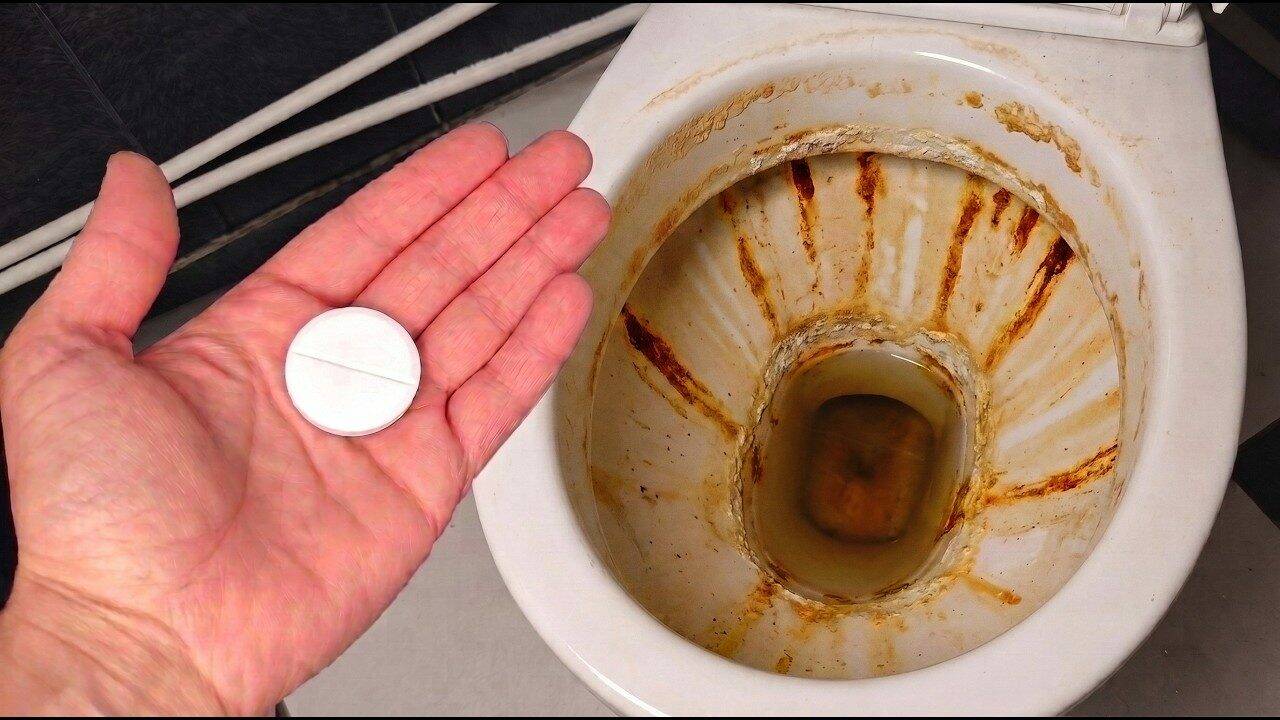
Just 1 Tablet and Your Toilet Will Sparkle!
Just 1 Tablet and Your Toilet Will Sparkle
Keeping a toilet clean does not always require a cupboard full of expensive products. One common household item, a dishwasher tablet, can help loosen grime, soap residue, and some mineral buildup inside the bowl.
This method is especially useful for routine cleaning and for stains that have had time to settle around the sides or beneath the rim.
What You Will Need
For the toilet bowl:
- 1 dishwasher tablet
- Warm water
- A bowl or heat-resistant container
- Toilet paper or paper towels
- A toilet brush
- An old toothbrush, optional
For the seat and lid:
- A mild bathroom cleaner or warm soapy water
- A microfiber cloth or paper towels
- Clean water for rinsing
Step 1: Prepare the Dishwasher Tablet Solution
Crush one dishwasher tablet into smaller pieces so it dissolves more quickly.
Place the crushed tablet in a container and add warm water. The water should be hot enough to help dissolve the tablet, but it should not be boiling.
Stir thoroughly until most of the tablet has dissolved.
Allow the mixture to cool until it is only warm or lukewarm before using it in the toilet.
Never pour boiling water into a toilet bowl. A sudden temperature change may damage or crack the porcelain.
Step 2: Apply It Inside the Bowl
Pour the lukewarm solution slowly around the inside of the toilet bowl.
Make sure it reaches:
- The sides of the bowl
- The waterline
- The area beneath the rim
- Any visible stained sections
For stubborn marks beneath the rim, soak pieces of toilet paper or paper towel in the solution and press them against the affected areas.
The paper helps hold the cleaning liquid in place so it can act on the stain for longer.
Step 3: Let It Work
Leave the solution in the bowl for at least one hour.
For heavier buildup, it may be left overnight, provided the bathroom is secured from children and pets and the product label does not warn against prolonged contact.
Dishwasher tablets usually contain alkaline cleaning agents, enzymes, water softeners, and oxygen-based bleaching ingredients. These can help loosen organic residue and brighten porcelain surfaces.
They may not fully remove severe limescale, rust, or deeply embedded mineral deposits.
Step 4: Scrub the Bowl
Remove the soaked paper and use it to wipe beneath the rim before discarding it.
Never flush large quantities of paper towel, as it can block the plumbing.
Scrub the inside of the bowl thoroughly with a toilet brush.
Use an old toothbrush for narrow areas beneath the rim or around the water outlets.
Flush the toilet and inspect the surface. Repeat the scrubbing if necessary.
How to Clean the Toilet Seat and Lid
The seat and lid require a gentler approach than the porcelain bowl.
Use warm water with a small amount of mild dish soap or a cleaner specifically labeled as safe for toilet seats.
Instructions
- Spray or apply the solution to the lid and seat.
- Pay special attention to hinges and narrow gaps.
- Leave it for a few minutes.
- Wipe with a soft cloth.
- Rinse with clean water.
- Dry the surface thoroughly.
If possible, remove the seat according to the manufacturer’s instructions. This makes it easier to clean hidden areas around the hinges.
Should You Use Aspirin on the Toilet Seat?
Some household tips recommend dissolving aspirin in water and using it as a cleaning spray because aspirin contains acetylsalicylic acid.
However, aspirin is designed as a medicine, not as a cleaning product. Its concentration is low and inconsistent for cleaning purposes, and tablet coatings or fillers may leave residue.
A mild bathroom cleaner, diluted dish soap, or a manufacturer-approved product is generally safer and more effective for the seat and lid.
Removing Yellowing
Yellowing on a toilet seat may come from:
- Urine residue
- Hard-water minerals
- Age
- Sunlight
- Harsh chemicals
- Wear in the plastic itself
Surface staining may improve with careful cleaning, but permanent discoloration in old plastic may not disappear completely.
Avoid aggressive abrasives, rough sponges, and strong acids because they can damage the finish and make future staining worse.
Do Not Mix Cleaning Products
This is the most important safety rule.
Never mix a dishwasher tablet or any other cleaner with:
- Chlorine bleach
- Vinegar
- Ammonia
- Toilet acid
- Descaling products
- Hydrogen peroxide
- Other bathroom chemicals
Some combinations can release dangerous fumes or cause strong chemical reactions.
Use only one cleaning method at a time, rinse thoroughly, and ventilate the bathroom.
What About Strong Acid?
Strong acids can remove limescale, but they are hazardous and can damage surfaces, seals, metal fittings, and plumbing when misused.
Do not pour an unknown acid into the toilet after using a dishwasher tablet.
For persistent mineral buildup, choose a toilet descaler labeled for that purpose and follow the manufacturer’s directions exactly.
Clean the Area Around the Toilet
A toilet may still smell unpleasant even after the bowl is clean.
Odors often remain on:
- The floor around the base
- The outer bowl
- Hinges
- The wall behind the toilet
- The flush handle
- The toilet brush holder
- Nearby grout
Clean these surfaces with a suitable bathroom disinfectant or warm soapy water, depending on the material.
Do not allow cleaner to pool on the floor or around metal fittings.
When This Trick Works Best
The dishwasher-tablet method is most useful for:
- Routine bowl cleaning
- Mild staining
- Organic grime
- Residue around the waterline
- Light discoloration beneath the rim
It may be less effective against:
- Thick limescale
- Rust stains
- Damaged porcelain
- Permanent plastic discoloration
- Severe odor caused by plumbing problems
A Simple Cleaning Routine
For regular maintenance:
- Clean the bowl once or twice a week.
- Wipe the seat, lid, flush handle, and outer bowl.
- Dry the hinges and floor around the base.
- Keep the toilet brush holder clean.
- Ventilate the room after cleaning.
- Treat mineral deposits before they become thick.
Final Thoughts
One dishwasher tablet can help loosen dirt and refresh the inside of a toilet bowl, especially when it is dissolved in warm water and given enough time to work.
The key is to let the solution cool, avoid mixing it with other chemicals, scrub thoroughly, and use a gentler cleaner on the seat and lid.
With a little patience and regular maintenance, your toilet can look cleaner, brighter, and fresher without relying on multiple expensive products.