The Secret to Healthy Orchids: Simple Weekly Care for Strong Roots and Beautiful Blooms
The Secret to Healthy Orchids: Simple Weekly Care for Strong Roots and Beautiful Blooms
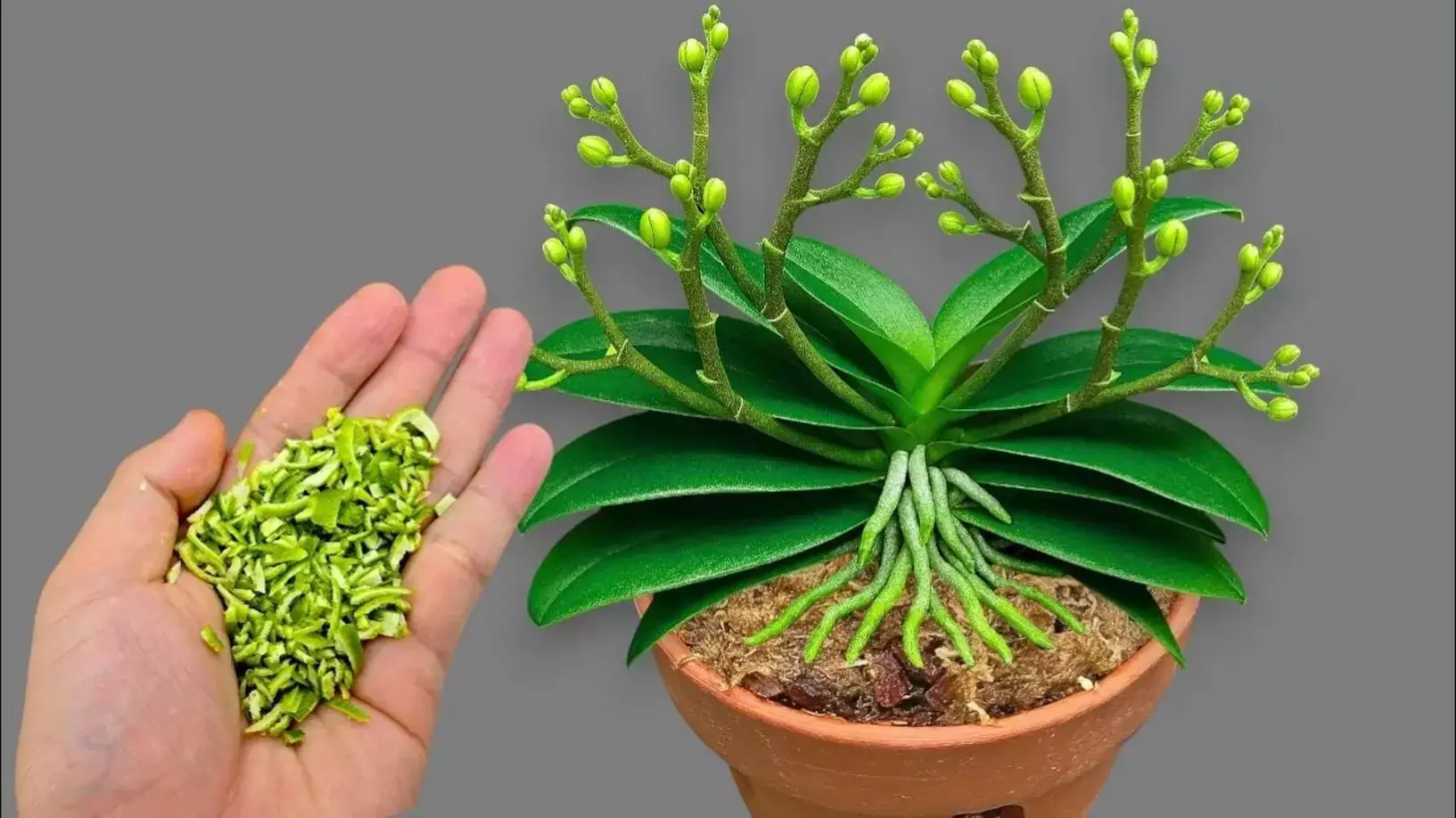
Orchids are prized for their elegant flowers, but many growers become discouraged when their plants stop blooming after the first flowering cycle. Fortunately, a healthy orchid can bloom again with the right combination of care, patience, and proper growing conditions.
There’s no single ingredient that guarantees year-round flowers. Instead, consistent maintenance—including balanced fertilizing, careful watering, and adequate light—gives your orchid the best chance to thrive and produce beautiful blooms season after season.
Here’s a simple weekly care routine that can help keep your orchid healthy.
1. Feed Your Orchid with the Right Fertilizer
Regular fertilizing provides the nutrients orchids need to produce healthy roots, leaves, and future flower spikes.
Choose a fertilizer specifically formulated for orchids, as these products contain nutrient ratios designed for their unique growing requirements.
How to Apply
- Mix the fertilizer according to the manufacturer’s instructions.
- Avoid using stronger concentrations than recommended.
- Apply during the active growing season when the orchid is producing new roots and leaves.
Many growers fertilize every one to two weeks using a diluted solution, while reducing feeding during slower growth periods in autumn and winter.
Balanced feeding encourages healthy growth without overwhelming the roots.
2. Water Correctly
Proper watering is one of the most important aspects of orchid care.
Too much water can lead to root rot, while allowing the plant to remain dry for too long may slow growth and reduce flowering.
Best Watering Practices
- Check the potting mix before watering.
- Water only when the growing medium begins to dry.
- Thoroughly soak the bark, then allow excess water to drain away completely.
- Never leave the pot standing in water.
Whenever possible, use room-temperature rainwater, distilled water, or filtered water if your tap water contains high levels of minerals.
Morning watering is generally preferred because it gives excess moisture time to evaporate during the day.
3. Give Your Orchid the Right Amount of Light
Light has a direct influence on an orchid’s ability to produce flowers.
Most Phalaenopsis orchids prefer bright, indirect sunlight.
The ideal location is:
- Near an east-facing window
- Close to a bright window with filtered light
- Away from intense afternoon sun
If your orchid consistently grows leaves but never produces flower spikes, insufficient light may be one of the causes.
Rotating the pot every few weeks also helps expose all sides of the plant to even light.
During dark winter months, a full-spectrum grow light can provide additional support where natural daylight is limited.
4. Avoid Common Orchid Care Mistakes
Many orchid problems are caused by a few simple mistakes.
Overwatering
The leading cause of orchid decline is keeping the roots constantly wet.
Healthy orchid roots require both moisture and oxygen.
Using the Wrong Fertilizer
General-purpose fertilizers may not always provide the nutrient balance orchids need.
Choose products designed specifically for orchid care whenever possible.
Inconsistent Feeding
Applying fertilizer irregularly can result in uneven growth.
A consistent care routine is generally more beneficial than occasional heavy feeding.
Poor Lighting
Keeping an orchid in a dark location often prevents flowering, even if the leaves appear healthy.
Bright, indirect light remains essential for long-term success.
5. Support Healthy Growth All Year
Successful orchid care isn’t about finding a miracle product—it’s about maintaining the right environment.
Healthy orchids thrive when they receive:
- Bright, indirect light
- Good air circulation
- Moderate humidity
- Well-draining orchid bark
- Consistent watering
- Balanced fertilization
These factors work together to support healthy roots, strong foliage, and future blooms.
Frequently Asked Questions
What kind of pot is best for orchids?
A pot with excellent drainage is essential. Clear plastic orchid pots are popular because they allow you to monitor root health and moisture levels.
How do I know if my orchid needs fertilizer?
Slow growth, pale leaves, or reduced flowering may indicate nutrient deficiencies. However, similar symptoms can also result from poor lighting or root problems, so always assess the plant as a whole.
Why has my orchid stopped blooming?
Flowering depends on several factors, including light, temperature, plant maturity, root health, and seasonal growth cycles. Most healthy orchids naturally have periods of growth followed by periods of flowering.
Can orchids bloom all year?
Continuous year-round blooming is uncommon for most orchid species. However, with proper care, many orchids will bloom reliably each year, and some may produce multiple flowering cycles under ideal conditions.
Final Thoughts
Beautiful orchids don’t require complicated care routines. Healthy roots, balanced nutrition, careful watering, and proper lighting remain the foundations of long-term success.
Rather than searching for miracle solutions, focus on providing consistent weekly care and monitoring your plant’s needs. Over time, your orchid can develop stronger roots, healthier leaves, and the energy required to produce spectacular blooms again and again.