🌸 5 Essential Orchid Care Secrets for Healthy Plants and Beautiful Blooms
5 Essential Orchid Care Secrets for Healthy Plants and Beautiful Blooms
Orchids are among the most elegant houseplants you can grow. Their graceful flowers can last for weeks, and with proper care, many orchids will bloom again year after year. However, keeping an orchid healthy requires more than occasional watering.
Many people assume orchids are difficult to grow, but most problems result from a few common mistakes rather than the plants themselves. By creating the right environment and following a consistent care routine, you can help your orchid develop strong roots, healthy leaves, and the best possible conditions for future blooms.
Here are five essential orchid care secrets every grower should know.
1. Choose the Right Location
Location is one of the biggest factors affecting orchid health.
Most popular orchids, including Phalaenopsis, prefer bright, indirect light rather than direct sunshine.
For the best results:
- Place your orchid near an east-facing window whenever possible.
- Filter strong afternoon sunlight with a sheer curtain.
- Avoid placing the plant in dark corners for extended periods.
Light that is too intense may scorch the leaves, while insufficient light often leads to slow growth and fewer flower spikes.
Stable temperatures are equally important.
Most orchids grow best between 65°F and 75°F (18–24°C) and appreciate consistent conditions without sudden temperature fluctuations.
Good air circulation also helps reduce the risk of fungal diseases while keeping the roots healthy.
2. Maintain the Right Humidity
Orchids naturally grow in tropical environments where humidity is much higher than in most homes.
Aim for humidity levels between 50% and 70% whenever possible.
You can increase humidity by:
- Using a room humidifier
- Placing the pot on a humidity tray filled with pebbles and water
- Grouping houseplants together
- Ensuring gentle airflow around the plants
Many growers occasionally mist the leaves, especially during dry winter months.
If you do mist your orchid, avoid spraying open flowers and allow the leaves to dry quickly to reduce the risk of fungal problems.
3. Fertilize During Active Growth
Like all plants, orchids benefit from regular feeding during their growing season.
Use a fertilizer specifically formulated for orchids and always follow the manufacturer’s recommended dosage.
Many growers fertilize every two to three weeks during spring and summer when the plant is actively producing new leaves and roots.
As growth slows during autumn and winter, fertilizer applications can usually be reduced.
A balanced orchid fertilizer provides the nitrogen, phosphorus, and potassium needed to support healthy roots, foliage, and future flower production.
4. Care for Your Orchid After Flowering
When the flowers fade, the plant enters a new stage of growth.
Proper post-bloom care is essential for encouraging future flowering.
Remove spent flowers as they fade.
If the flower spike remains green, leave it in place. Many orchids are capable of producing side branches or additional blooms from a healthy green spike.
Only trim the spike once it has completely turned brown and dried.
During this recovery period:
- Water slightly less frequently if growth slows.
- Reduce fertilization as needed.
- Continue providing bright, indirect light.
- Monitor the roots regularly.
Healthy roots are the best indicator of an orchid’s overall condition.
5. Repot at the Right Time
Orchid potting media naturally break down over time.
As bark decomposes, it retains more moisture and reduces airflow around the roots.
Most orchids benefit from repotting every one to two years, or sooner if:
- Roots are growing out of the container.
- The bark has begun to decompose.
- Water drains poorly.
- The potting mix stays wet for too long.
Always use a high-quality orchid mix containing coarse materials such as pine bark or coconut husk.
These materials provide the excellent drainage and airflow orchids require.
Common Orchid Care Mistakes
Avoiding a few common mistakes can dramatically improve your orchid’s health.
Overwatering
The most common cause of orchid decline is keeping the roots constantly wet.
Allow the potting mix to approach dryness before watering again.
Too Much Direct Sunlight
Bright light is beneficial, but prolonged direct afternoon sun may burn the leaves.
Filtered sunlight is ideal.
Delaying Repotting
Old potting bark gradually loses its structure.
Replacing decomposed growing media helps maintain healthy root conditions.
Ignoring Root Health
Strong flowers begin with strong roots.
Inspect roots regularly and remove only those that are dead, soft, or rotten.
Frequently Asked Questions
Can orchids grow in a bathroom?
Yes, provided the bathroom receives adequate natural light and has good ventilation. The naturally higher humidity can benefit many orchid species.
How often should orchids be watered?
Most indoor orchids need watering every 7 to 14 days, depending on temperature, humidity, potting mix, and the season. Water only when the growing medium begins to dry.
Can orchids grow outdoors?
Some orchids can be grown outdoors in warm climates with filtered light and appropriate humidity. In cooler regions, they are generally grown indoors for protection from cold temperatures.
How do I know when my orchid needs repotting?
Signs include:
- Roots growing outside the pot
- Bark breaking down into fine particles
- Poor drainage
- A potting mix that remains wet for several days
Final Thoughts
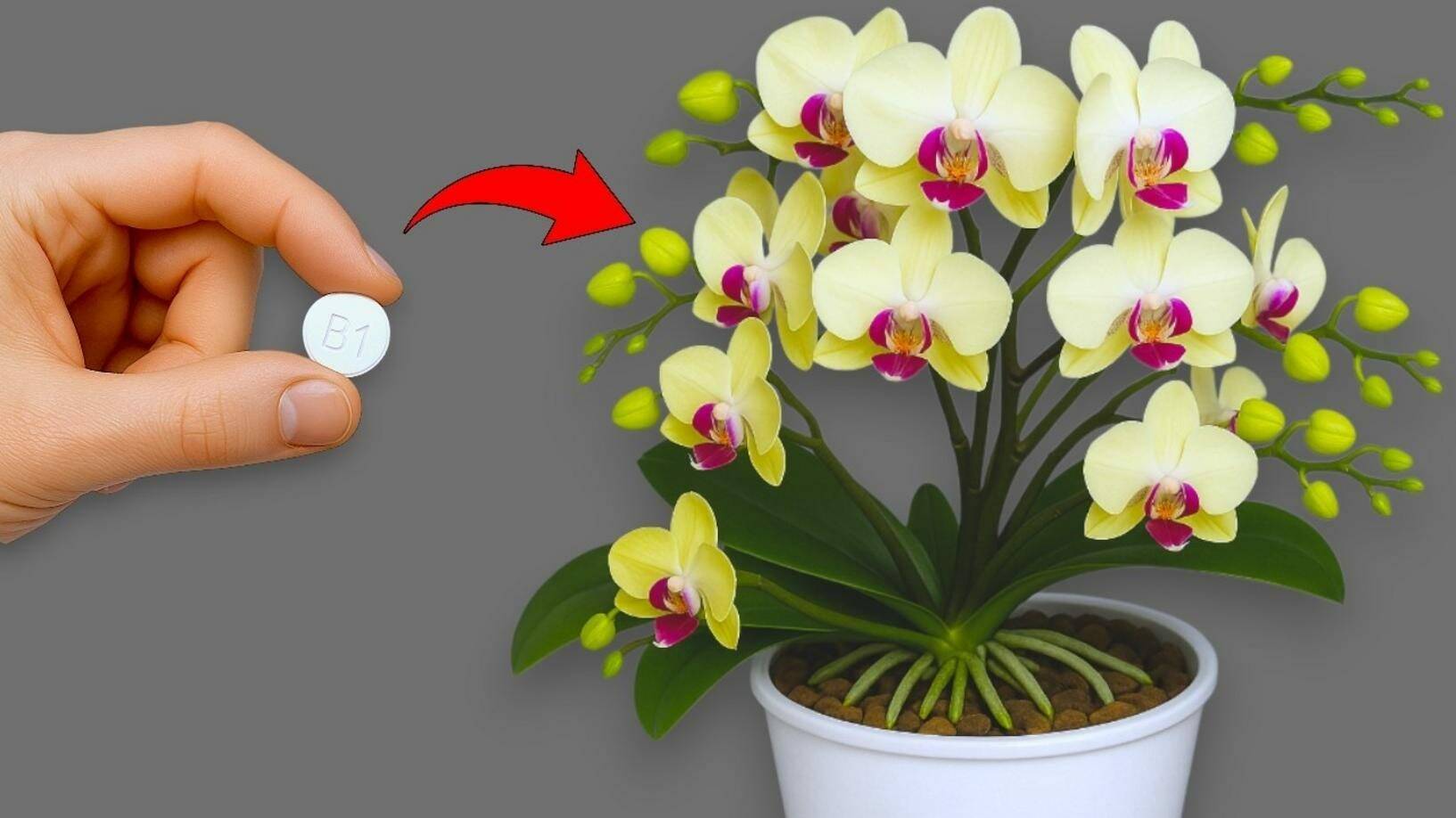
There is no secret ingredient that makes orchids bloom continuously. Healthy flowering is the result of consistent care and the right growing environment.
Providing bright indirect light, proper humidity, careful watering, balanced fertilization, and fresh potting media gives your orchid the strongest possible foundation for long-term health.
With patience and regular attention, many orchids will reward you with vigorous growth, healthy roots, and spectacular blooms season after season.