It’s Amazing! One Simple Cup Can Help Encourage More Flowers on Your Christmas Cactus
It’s Amazing! One Simple Cup Can Help Encourage More Flowers on Your Christmas Cactus
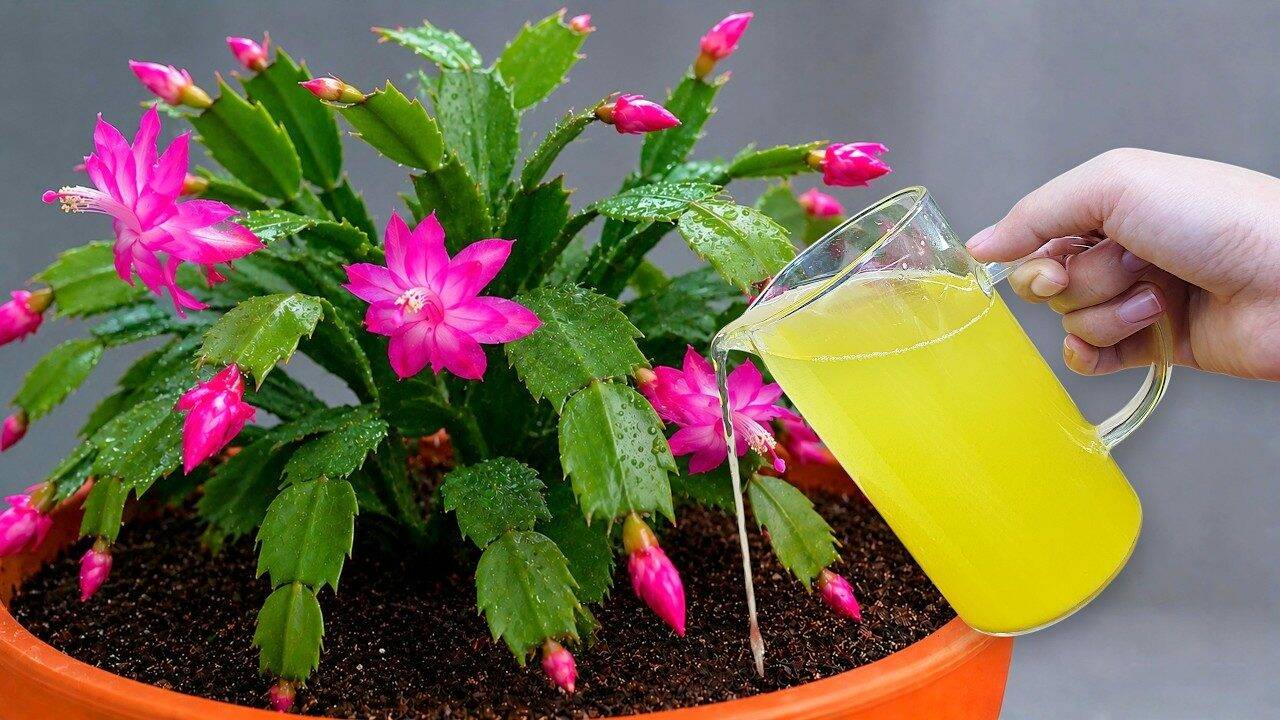
A Christmas cactus (Schlumbergera) is famous for its spectacular blooms during the holiday season. But when the plant becomes weak, develops wrinkled segments, or refuses to flower, many gardeners assume it has reached the end of its life.
Fortunately, that’s rarely the case.
Most Christmas cacti simply need healthier roots, fresh growing media, proper watering, and the right growing conditions to recover. The source method combines careful root care, repotting, and homemade plant solutions using turmeric and rice water. While these ingredients are not miracle fertilizers, refreshing the root system and improving overall plant care can help create better conditions for future flowering.
Why Your Christmas Cactus Isn’t Blooming
A lack of flowers is often caused by:
- exhausted potting soil
- damaged roots
- overwatering
- poor drainage
- insufficient light
- excessive heat
- lack of a cool resting period
- irregular watering
Healthy roots are the foundation of healthy blooms.
Step 1: Inspect the Root System
Carefully remove the plant from its pot.
Gently shake away some of the old soil to expose the roots.
Look for:
- soft roots
- black or brown roots
- rotten sections
- dry roots
- healthy white roots
Removing old soil also improves air circulation around the roots before repotting.
Step 2: Prune Damaged Roots
Using clean pruning scissors disinfected with rubbing alcohol, remove any dead or rotting roots.
If necessary, trim damaged sections of the plant.
Healthy tissue should always be preserved whenever possible.
The source also suggests using healthy stem segments for propagation rather than discarding them.
Step 3: Clean the Roots
Rinse the root system gently under clean running water.
This removes old potting mix and allows a closer inspection of the roots.
It also helps eliminate accumulated debris before repotting.
Allow the plant to dry in a shaded, well-ventilated location before continuing.
Step 4: Prepare a Turmeric Solution
The source recommends making a simple turmeric solution using:
- 500 ml warm water
- 1 tablespoon turmeric powder
After stirring thoroughly, allow the mixture to steep for about one hour before straining it.
Turmeric contains natural compounds with antioxidant properties, but there is limited scientific evidence that it directly stimulates flowering.
It may be used occasionally as part of careful plant maintenance, but it should not replace proper growing conditions.
Step 5: Prepare Fresh Potting Mix
A Christmas cactus prefers loose, well-draining soil.
The source uses:
- 50% coconut coir
- 50% garden soil
The goal is to create a growing medium that retains some moisture while allowing excellent airflow around the roots.
Many growers also incorporate perlite or orchid bark to improve drainage even further.
Step 6: Soak the Roots
After straining and diluting the turmeric solution, briefly soak the cleaned roots for about 10–15 minutes.
The source recommends this as part of the recovery process before repotting.
If you choose to try this method, avoid prolonged soaking, which may stress the roots.
Step 7: Clean the Leaf Segments
Using a soft cloth dampened with the turmeric solution, gently wipe each leaf segment.
This removes dust and allows you to inspect the plant for pests or damaged tissue.
For routine care, plain water is usually sufficient to keep the foliage clean.
Step 8: Repot Correctly
Choose a clean pot with drainage holes.
Add fresh potting mix to the bottom of the container.
Position the plant upright in the center.
Fill around the roots with additional growing medium and gently firm the soil without compacting it too tightly.
Proper drainage is one of the most important factors in preventing root rot.
Step 9: Water Carefully
Water lightly with room-temperature water immediately after repotting.
The goal is to settle the soil around the roots without leaving the pot waterlogged.
Place the plant in bright, indirect light for several days while it adjusts to its new environment.
Step 10: Try Rice Water Occasionally
After the plant has recovered from repotting, the source recommends watering occasionally with rice water.
Rice water contains small amounts of starch and trace minerals.
Although many gardeners use it as a homemade plant tonic, scientific evidence supporting significant flowering benefits is limited.
If you use rice water:
- use fresh, unfermented rice water
- apply only occasionally
- avoid leaving the soil constantly wet
- discontinue use if unpleasant odors develop
A balanced fertilizer formulated for flowering houseplants remains the most reliable source of nutrients.
How to Encourage More Blooms Naturally
The biggest factors influencing flowering are environmental rather than homemade mixtures.
To encourage abundant blooms:
- provide bright indirect light
- avoid overwatering
- allow the top layer of soil to dry slightly between waterings
- use well-draining soil
- avoid excessive nitrogen fertilizer
- provide cooler nighttime temperatures in autumn
- reduce watering slightly before the flowering season
These conditions help trigger bud formation naturally.
Common Mistakes
Avoid these common problems:
Too Much Water
Constantly wet soil encourages root rot.
Poor Drainage
Heavy soil limits oxygen around the roots.
Too Much Direct Sun
Strong afternoon sun may scorch the leaf segments.
Fertilizing Too Frequently
Excess fertilizer promotes leafy growth instead of flowers.
Moving the Plant Frequently
Once flower buds begin forming, moving the plant can cause them to drop.
Signs Your Christmas Cactus Is Recovering
As the plant becomes healthier, you may notice:
- plumper leaf segments
- richer green color
- stronger roots
- steady new growth
- increased branching
- more flower buds during the blooming season
Recovery is usually gradual and may take several weeks or even months.
Final Thoughts
No single ingredient can instantly make every plant burst into bloom. Healthy flowering depends on strong roots, proper watering, bright indirect light, suitable temperatures, and good overall care.
Refreshing the root system, repotting into fresh well-draining soil, and maintaining consistent care give your Christmas cactus the best chance to recover, grow vigorously, and reward you with beautiful blooms when the flowering season arrives.